 86-13511478976






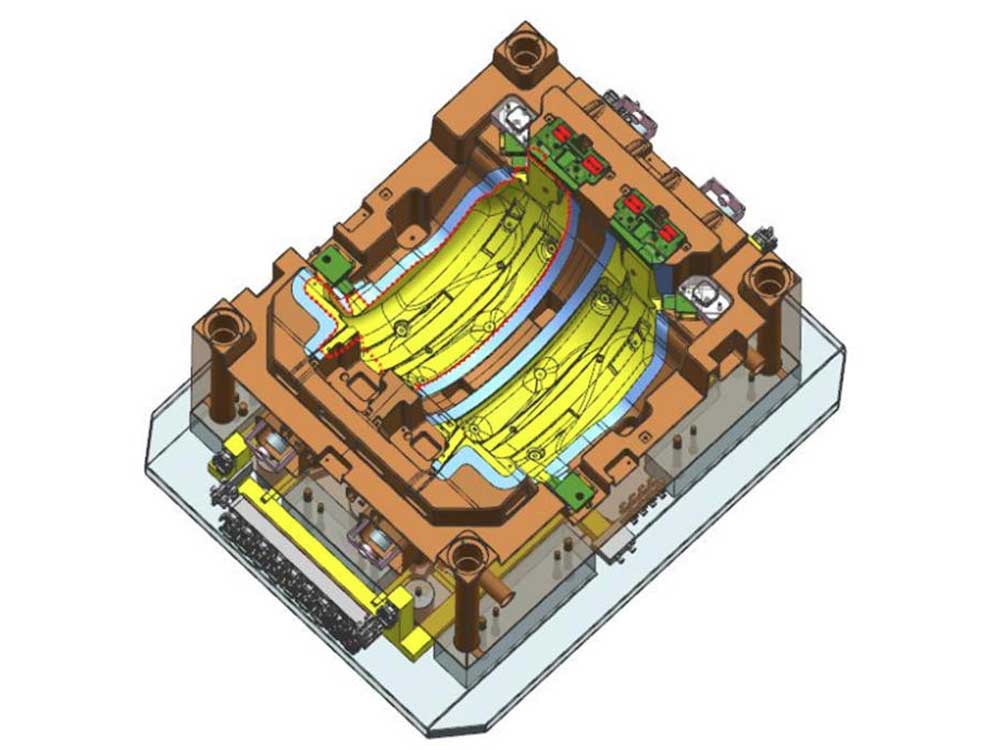
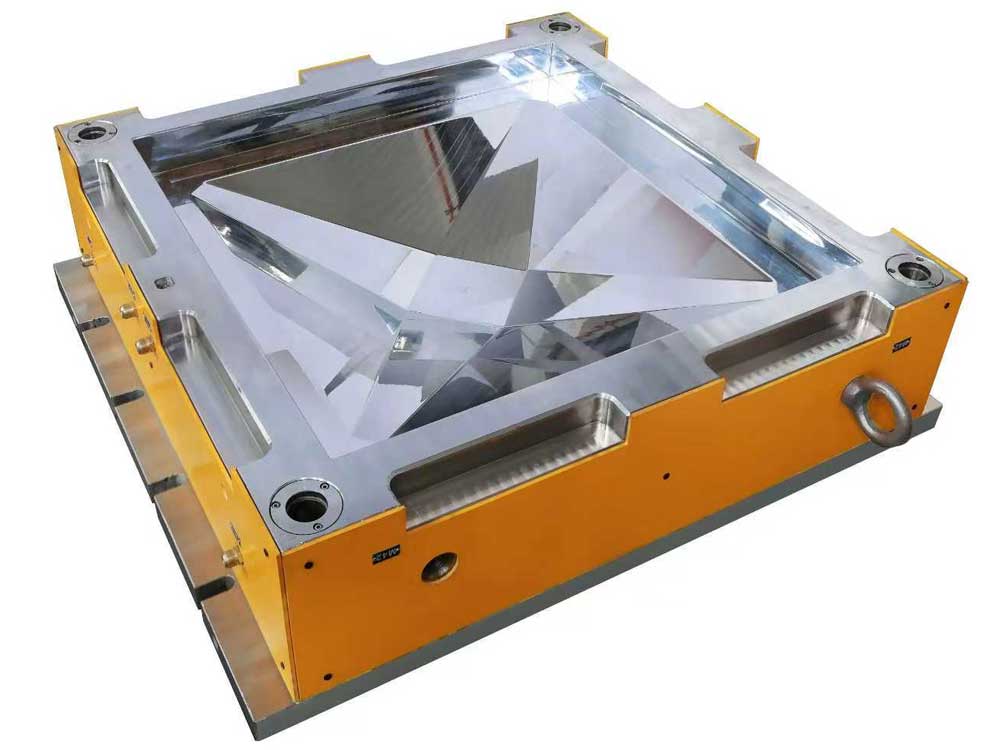
Phenolic mold: dual drive of material upgrading and green transformation, empowering high-quality development in multiple industries
2026-02-03
Against the backdrop of rising demand for precision components in automotive, electronics, medical and other industries, and the growing popularity of green manufacturing concepts, phenolic molds are emerging as a core growth driver in the mold manufacturing sector, supported by their precise material selection adaptability and outstanding sustainable development characteristics, providing solid support for the upgrading of downstream industries. Phenolic resin itself boasts excellent heat resistance, mechanical strength and dimensional stability. Combined with scientific material selection schemes, it can meet high-precision production needs in different scenarios, and its green and environmentally friendly full-life-cycle characteristics are more in line with the current trend of industrial low-carbon transformation.
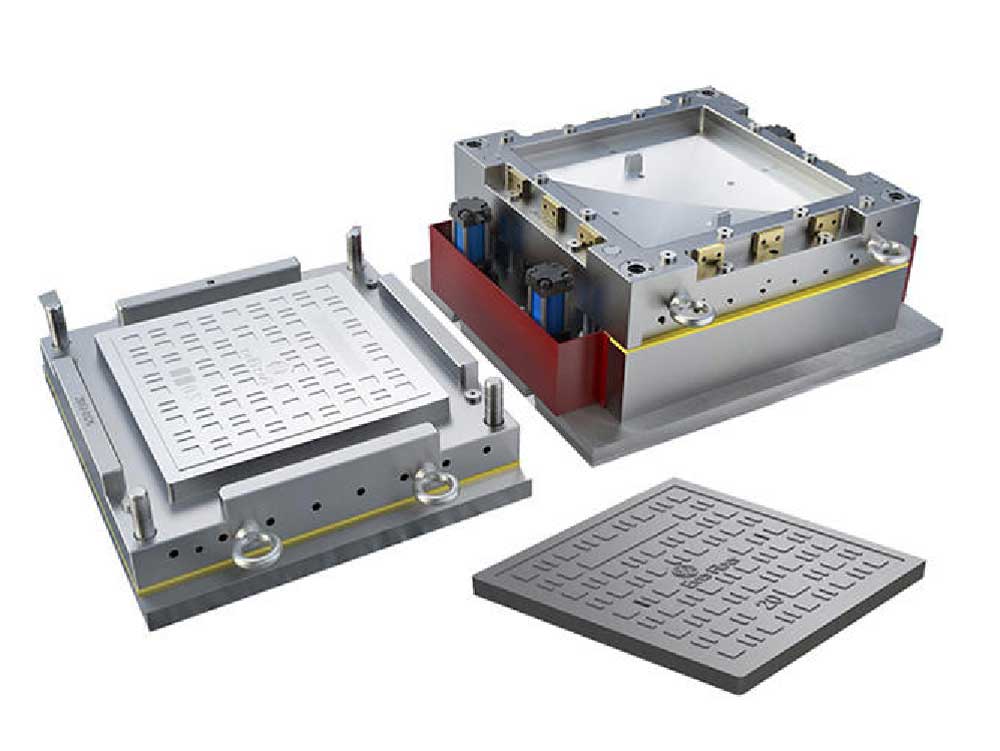
Material selection is key to achieving performance breakthroughs in phenolic molds. As the core components directly in contact with high-temperature phenolic resin, cavity cores need to balance wear resistance, corrosion resistance and polishability: pre-hardened steels such as P20 and 718 are used for molds of general-precision insulating parts, offering high cost performance; STAVAX (S136) stainless steel is adopted for high-precision products such as medical insulating accessories, enabling mirror polishing and resisting corrosion from resin additives; H13 quenched and tempered steel is suitable for high-volume structural part molds to extend service life. Mold base materials focus on balancing rigidity and cost: S50C carbon steel, which is easy to process, is used for small and medium-sized molds, while 45# steel quenched and tempered material is selected for large automotive brake pad molds to prevent high-temperature deformation. Guide and ejection components are all made of heat-resistant and wear-resistant materials: SUJ2 bearing steel guide pillars and bushes ensure precise mold opening and closing, while H13 steel ejector pins and sleeves avoid breakage during repeated ejection due to their toughness.
In the field of sustainable development, the advantages of phenolic molds are becoming increasingly prominent. In terms of materials, their base raw materials can be derived from biomass resources. Waste molds can be recycled through processes such as crushing and reshaping, and pyrolysis for material extraction. When reinforced with recycled glass fibers or carbon fibers, their service life can be extended by 3-5 times, reducing resource consumption. In terms of processes, lamination and compression molding do not require high-temperature smelting or complex post-processing, consuming 40%-50% less energy than metal molds, with a scrap rate of less than 5%. Meanwhile, phenolic molds have a long service life and simple maintenance, eliminating the need for frequent use of chemical reagents, significantly reducing operation and maintenance costs and environmental pressure.
In the future, with the optimization of mold structure design by 3D printing technology, the gradual popularization of bio-based phenolic resin, and the integration of intelligent sensors to achieve precise operation and maintenance, phenolic molds will achieve further breakthroughs in precision, efficiency and environmental friendliness, continuing to inject impetus into the green and high-quality development of multiple industries.