 86-13511478976






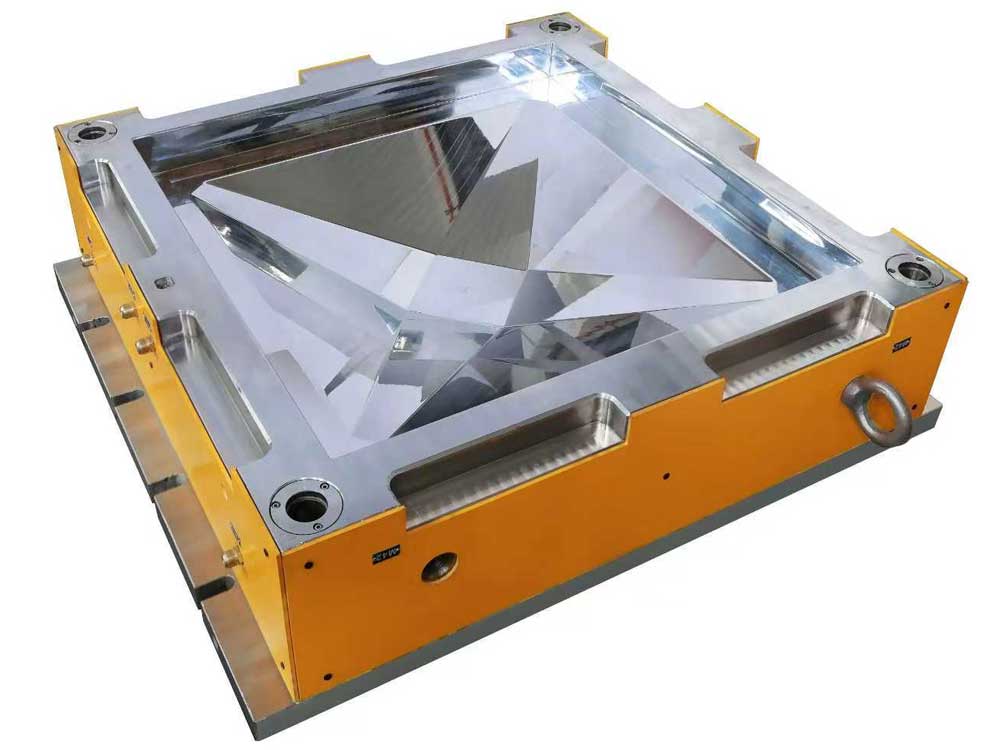
PCM Photochemical Etching Mold: Empowering New Upgrades in Precision Manufacturing of Automotive Components
2026-02-03
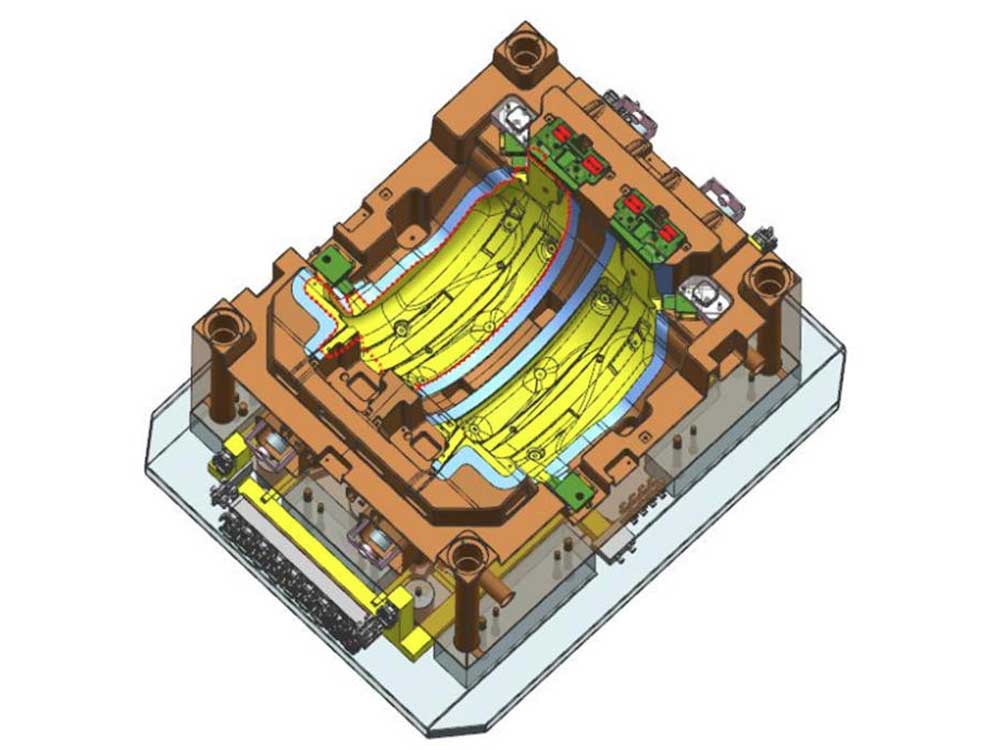
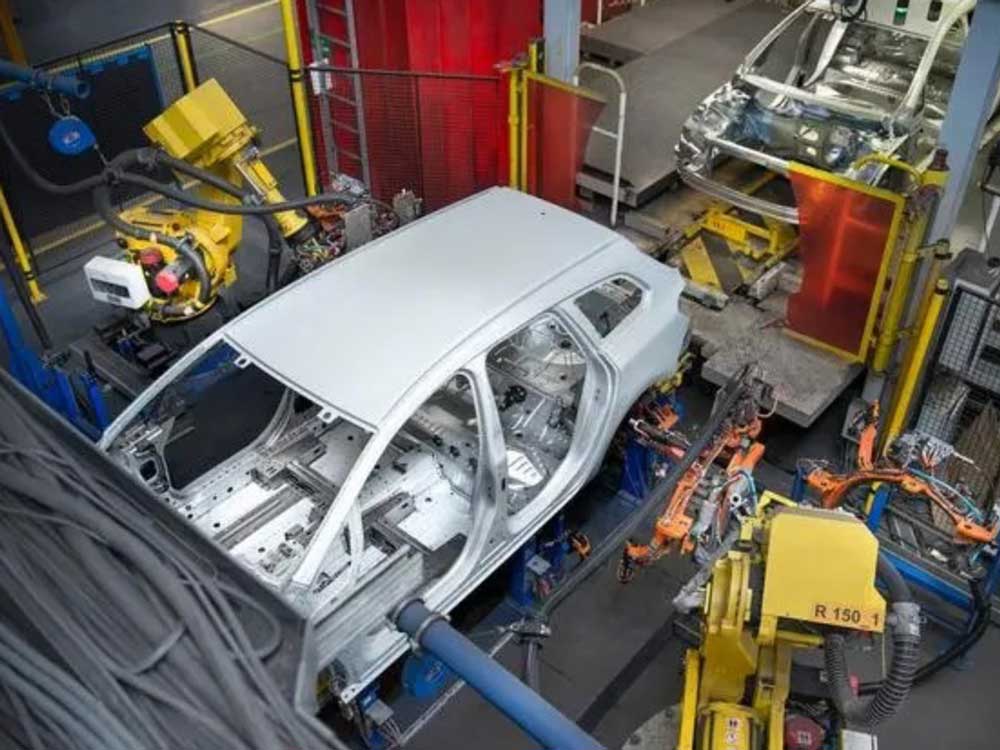
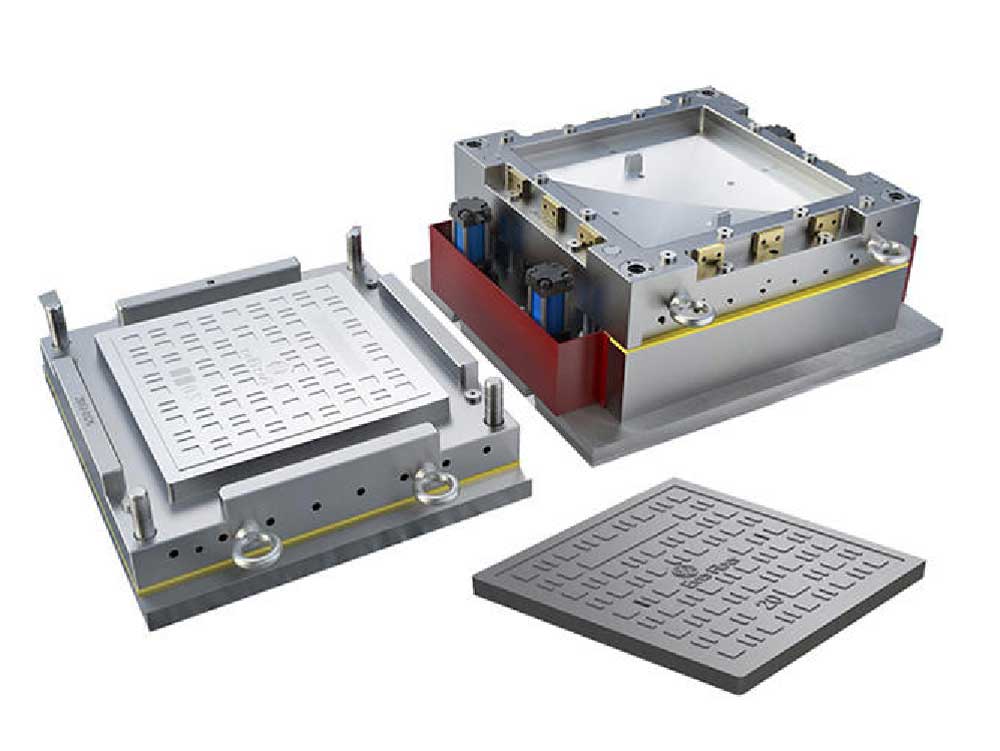
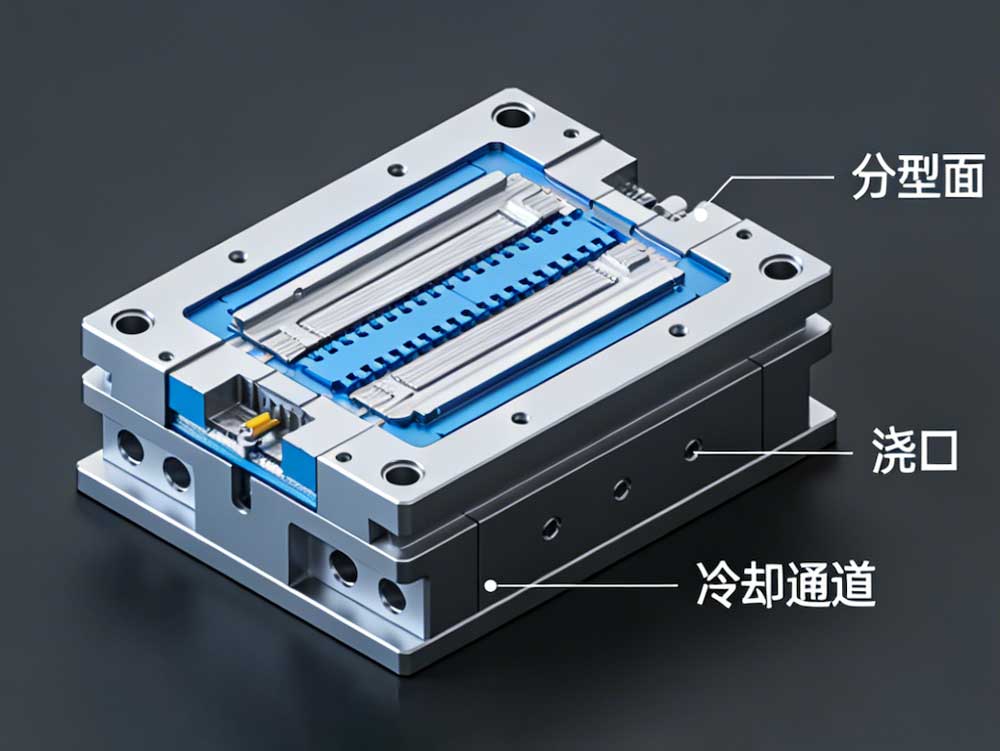
PCM (Photo-Chemical Machining) molds have emerged as a groundbreaking technology in the precision manufacturing of automotive components, revolutionizing how complex metal parts are produced for modern vehicles. Unlike traditional stamping molds that rely on heavy mechanical processing and involve lengthy mold opening cycles, PCM technology utilizes photosensitive resistors and precise chemical etching processes to carve intricate part contours on metal sheets with exceptional accuracy. This innovative approach has marked a new era for small-batch, multi-variety production in the automotive industry, addressing the sector's growing demand for rapid prototyping and customized component manufacturing.
The core advantage of PCM molds lies in their exceptional precision and unparalleled flexibility. They excel at handling intricate geometric shapes—such as micro-holes with diameters as small as 0.1mm, fine decorative patterns, and complex curved contours—that are either difficult or impossible to achieve with conventional stamping technology. Crucially, PCM maintains the metal's inherent high strength and lightweight properties, as its non-contact machining method avoids mechanical stress, material deformation, or surface scratches that often occur in traditional mechanical processing, thus ensuring the performance integrity and durability of auto parts.
Widely applied in the production of automotive sensors, precision electronic components, interior and exterior decorative parts, and even key components of new energy vehicle battery systems, PCM technology perfectly caters to the automotive industry's core demands for lightweight, intelligence, and energy efficiency. When designing PCM molds, engineers must precisely control key etching parameters—including etching time, temperature, and chemical reagent concentration—to guarantee consistent part dimensions and superior surface quality. Additionally, its environmental benefits are notable: compared with traditional stamping's large amount of cutting waste, chemical etching processes can be optimized to reduce material waste by up to 30% and lower overall energy consumption, aligning with global green manufacturing trends.
As the automotive industry shifts rapidly toward customization, rapid iteration, and electrification, PCM molds have become a key driver of innovation in auto parts manufacturing. Their high efficiency and strong adaptability not only significantly shorten product development cycles—cutting prototype production time from weeks to days—but also expand design possibilities for future automotive models. Experts predict that with continuous advancements in etching materials and process control, PCM technology will further penetrate high-end automotive manufacturing sectors, solidifying its position as a transformative technology in the global precision manufacturing landscape.