
 86-13511478976






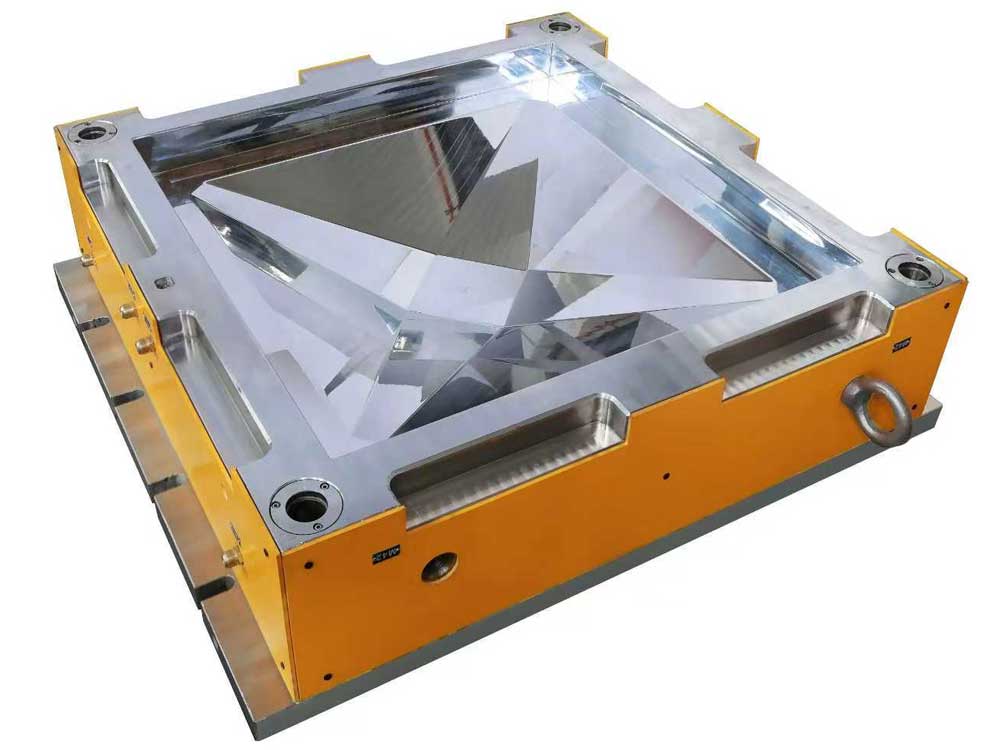
Cross disciplinary integration accelerates SMC mold unlocking new application scenarios across multiple industries
2026-02-03
From high-voltage insulation components in substations to subway interior systems, from 5G base station antenna covers to medical antibacterial equipment, SMC (sheet molding compound) molds, with their core advantages of integrated molding, weather resistance, corrosion resistance, and high-precision controllability, are breaking through industry application boundaries and achieving large-scale implementation in multiple fields such as rail transit, communication infrastructure, and high-end manufacturing, becoming a "hidden champion" supporting the transformation and upgrading of the real economy.
Rail Transit: Key Support for Domestic Substitution
In the field of rail transit, SMC molds have become a key support for domestic substitution. In response to the demand for high-end equipment such as CR450 high-speed trains, mold companies have developed specialized molding solutions that increase the application proportion of SMC materials in components such as driver's cab headrests and equipment cabin floor panels to 45%. This type of mold adopts a high-temperature resistant and flame-retardant formula adaptation design. The product has no cracking or performance degradation under temperature changes from -40 ℃ to 85 ℃, with a service life of over 20 years. At the same time, it achieves a weight reduction of more than 30%, helping to improve the energy efficiency of high-speed trains. The interior parts of a certain subway can be delivered in a complete set within 48 hours through a dedicated mold, with an accuracy of 0.02mm, reaching the international advanced level.
5G Communication & Electrical Equipment: Insulation Performance Excellence
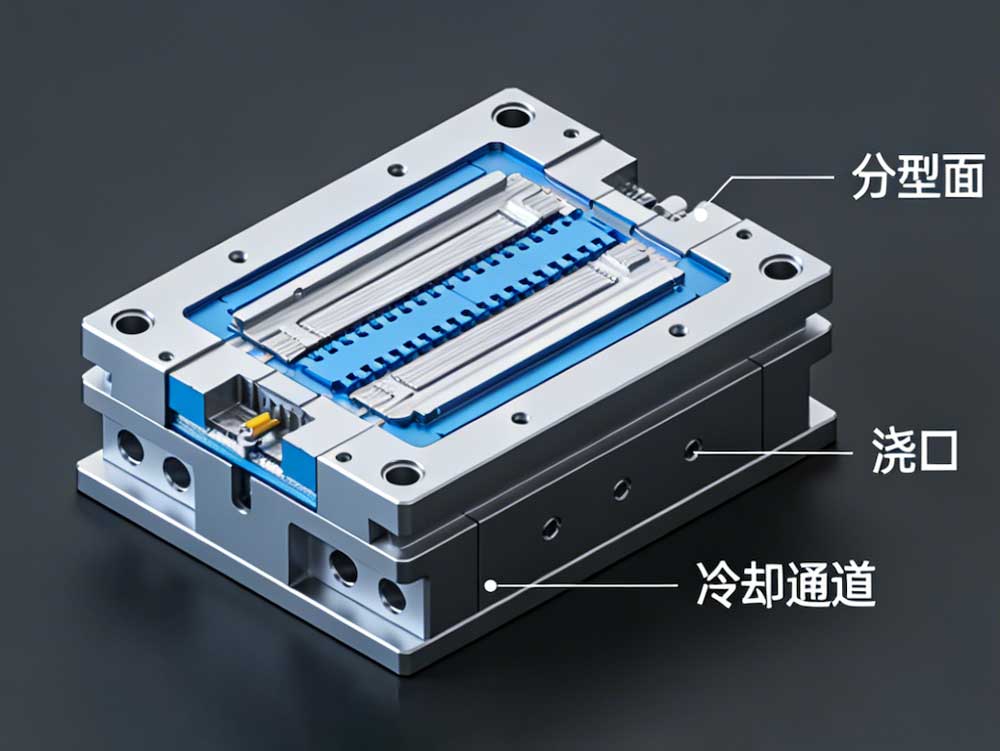
In the field of 5G communication and electrical equipment, the insulation performance of SMC molds has been fully utilized. The mold is designed with a low dielectric constant resin formula, and the insulation strength of the base station antenna cover produced reaches 12-18kV/mm, perfectly meeting the communication equipment needs of enterprises such as Huawei and ZTE; In the field of high-voltage electrical, the insulation components of 42kV high-voltage switchgear have passed the IEEE 98 standard test, and the equipment failure rate has decreased by 73% after application. These molds have achieved a 98.5% uniformity in material fiber distribution by optimizing the cavity flow channel design, completely solving the industry pain point of strength anisotropy in traditional composite materials.
High-End Manufacturing & People's Livelihood: Customization Advantages
In the fields of high-end manufacturing and people's livelihood, SMC's customization ability of molds highlights its advantages. The bathroom industry has simplified the production of bathroom cabinets from 12 processes to one molding process through dedicated molds, increasing the yield rate from 82% to 98% and achieving a material utilization rate of 99.2%; In the field of medical equipment, the dust-free workshop workbench for antibacterial SMC mold production can withstand high-frequency disinfection, ensuring the cleanliness requirements of chip manufacturing, biomedicine and other scenarios. In the field of ocean engineering, a double-layer barrier system SMC mold developed for salt spray environments has achieved a strength retention rate of 92% after 3000 hours of salt spray testing, far exceeding the 78% of 316 stainless steel.
Industry Collaborative Innovation Ecosystem
The construction of an industry collaborative innovation ecosystem injects sustained momentum into the development of SMC molds. The Yangtze River Delta, Pearl River Delta and other industrial clusters have formed a complete industrial chain for raw material supply, mold design, recycling and processing. The service model of 2-hour response and 3-day solution output has become the norm. With the application of AI process optimization systems and blockchain traceability technology, SMC molds continue to upgrade in energy consumption control, quality traceability, and other aspects. In the future, new applications will be unlocked in more fields such as green buildings and new energy equipment, providing solid support for the high-quality development of the manufacturing industry.