 86-13511478976


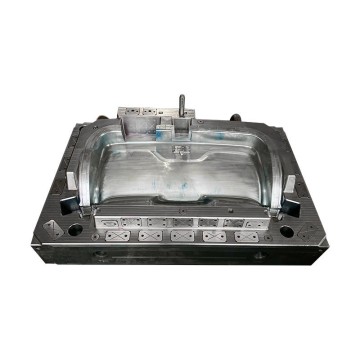
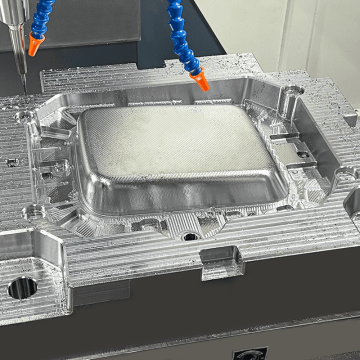
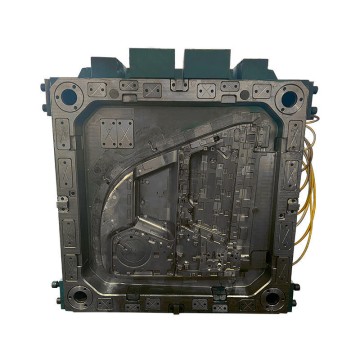
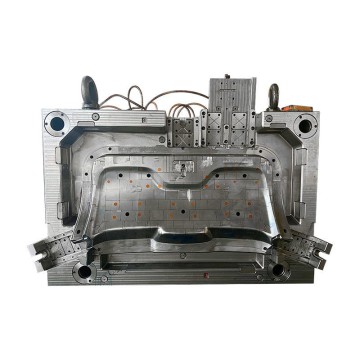
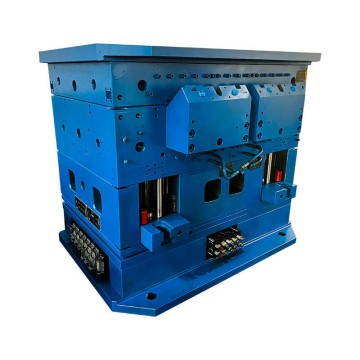
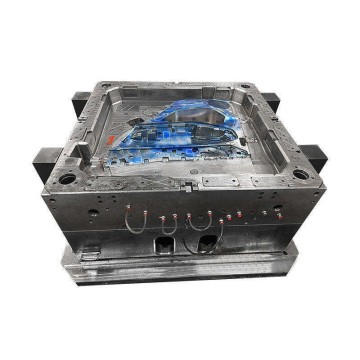
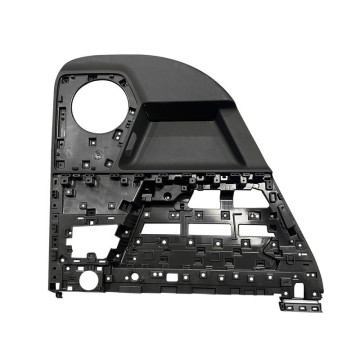
Injection Mould
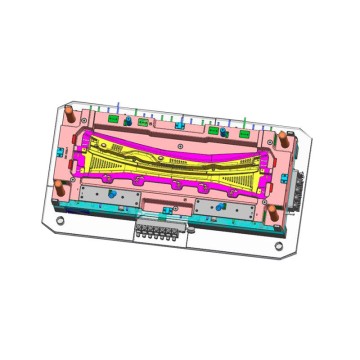
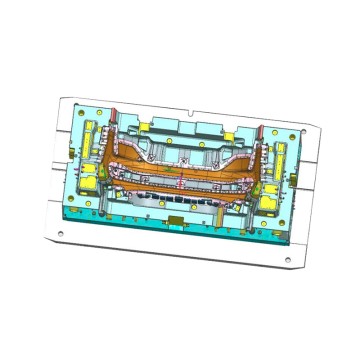
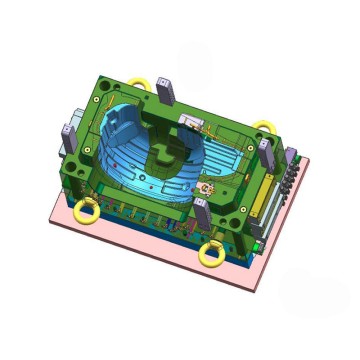
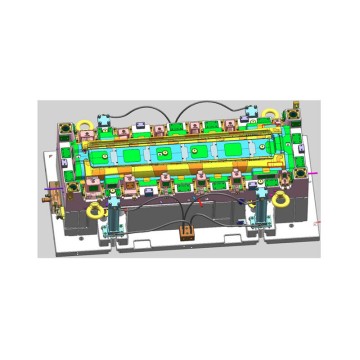
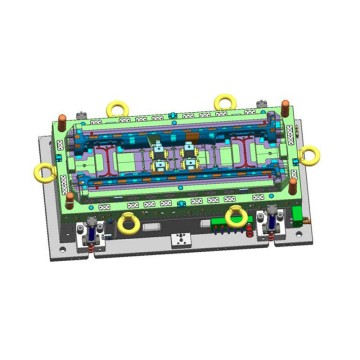
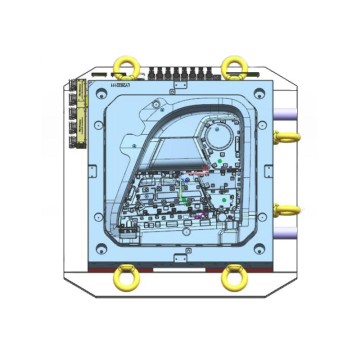
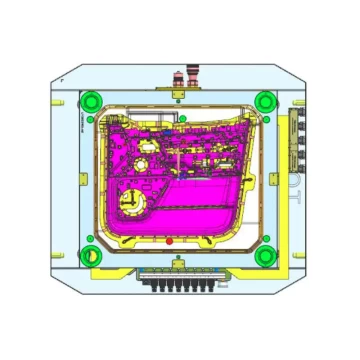
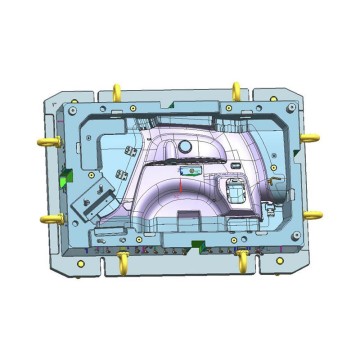
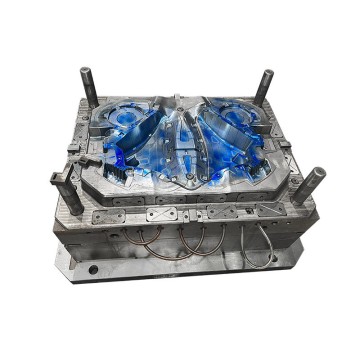
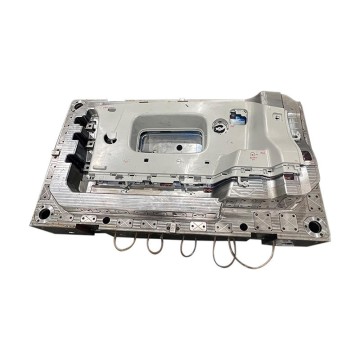
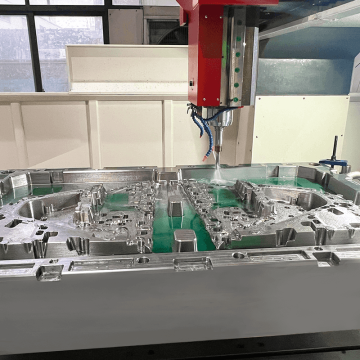
Injection molding is a highly versatile manufacturing process widely adopted for producing plastic components with consistent quality, precise dimensions, and complex geometries. This technology consists of five core sequential steps: clamping, injection, cooling, ejection, and cycle repetition. First, the two halves of the mold, referred to as cavities, are tightly closed and clamped to resist the high pressure generated during the injection phase. Subsequently, plastic materials, usually in pellet form, are fed into a heating barrel, melted at a precisely controlled temperature, and then injected into the mold cavity under high pressure to fully fill every detail of the mold structure. The material selection of injection molds must also meet production needs; commonly used mold steels should have high strength, wear resistance and excellent thermal conductivity. For products with large batches and high precision requirements, the mold cavity needs surface treatments such as polishing and nitriding to improve product finish and extend mold life.
Once the cavity is fully filled, the cooling stage commences immediately. Integrated cooling channels inside the mold circulate a cooling medium, typically water, to speed up the solidification of the molten plastic. Cooling time is a crucial factor that impacts both production efficiency and product quality—insufficient cooling can lead to component deformation, while excessive cooling unnecessarily prolongs the production cycle. After the plastic is completely solidified, the mold opens, and the finished part, known as a molding, is ejected by means of ejector pins, air pressure, or other ejection mechanisms to ensure no damage is caused to the product. The gating system needs to be flexibly adjusted according to the product shape, size and plastic material; for example, thin-walled precision products require optimized gate positions to avoid uneven filling, while thick-walled products need enlarged runner cross-sections to reduce flow resistance.
To optimize the injection molding process, key parameters including barrel temperature, mold temperature, injection pressure, and holding pressure must be accurately adjusted based on the type of plastic material used (e.g., PP, ABS, or medical-grade plastics). A well-designed injection mold also incorporates essential components such as the gating system, which is responsible for delivering molten plastic to the cavity; the temperature control system, which maintains stable heating and cooling; and the venting system, which releases trapped air and gas to prevent defects like bubbles and burn marks. It is worth noting that the design and manufacturing precision of injection molds directly determine the final quality of moldings. In addition to the cavity, the core structure of an injection mold includes a guiding and positioning system, which consists of guide pillars and bushings to ensure precise alignment of the two mold halves during opening and closing, avoiding product scrap caused by misalignment and reducing mold wear.