 86-13511478976


Compression Mould
SMC/BMC Molds: Key Information & Applications
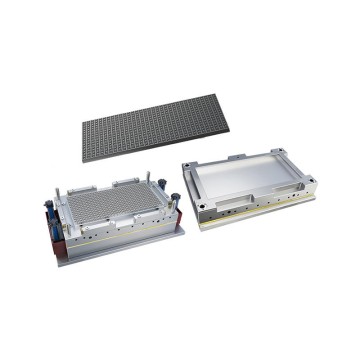
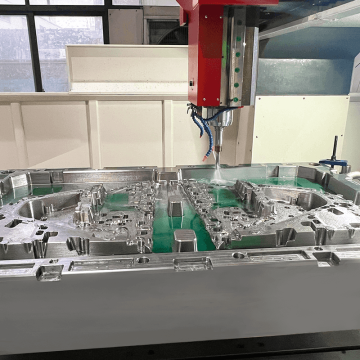
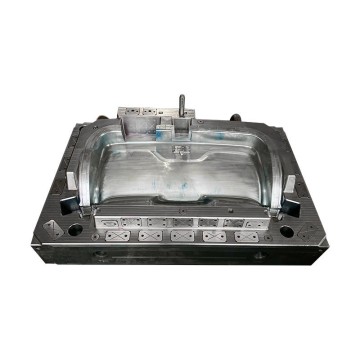
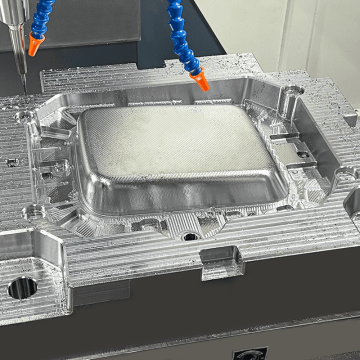
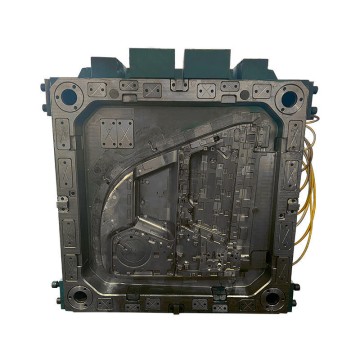
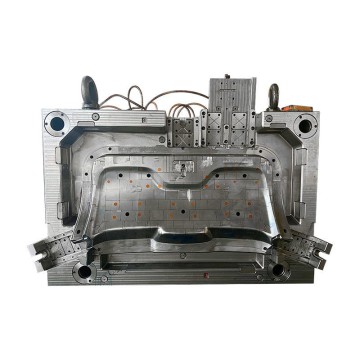
SMC and BMC molds are indispensable tools for manufacturing high-performance thermosetting composite parts, each specifically engineered to match the unique properties of their respective molding compounds. SMC (Sheet Molding Compound) is a sheet-like composite consisting of continuous fiberglass strands, thermosetting resin (such as polyester or epoxy), and functional fillers like calcium carbonate, known for its excellent mechanical strength, rigidity, and resistance to heat and chemicals. In contrast, BMC (Bulk Molding Compound) is a granular material with short-cut fiberglass, boasting superior flowability that makes it ideal for precision molding of small, complex components with tight tolerances.
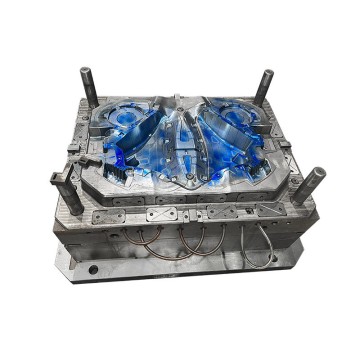
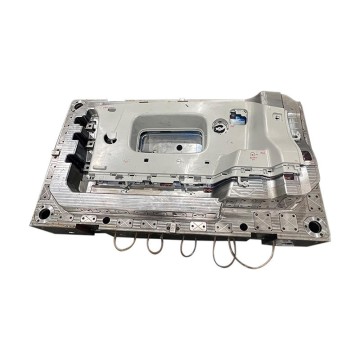
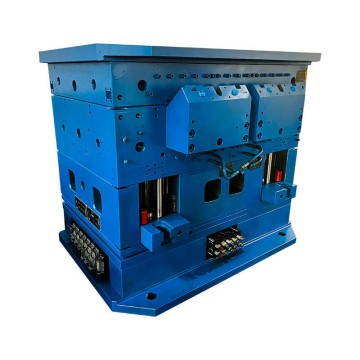
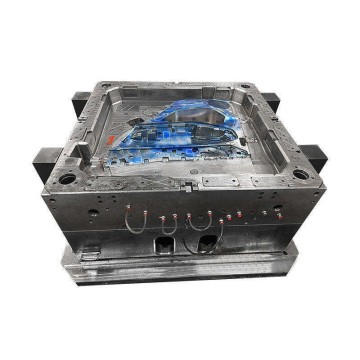
Both types of molds are predominantly crafted from high-quality steel or aluminum, as these materials can endure the high temperature (120-150℃) and pressure (10-50 MPa) involved in the curing process, while maintaining dimensional accuracy over long production runs. For SMC molds, precise cavity design and efficient exhaust systems are critical to accommodate sheet placement, prevent air bubbles and internal stresses, and ensure consistent part quality with smooth surface finishes. BMC molds, on the other hand, require specialized feeding chambers and optimized runners to facilitate uniform material distribution, especially for small, intricately structured components that demand high precision and repeatability.
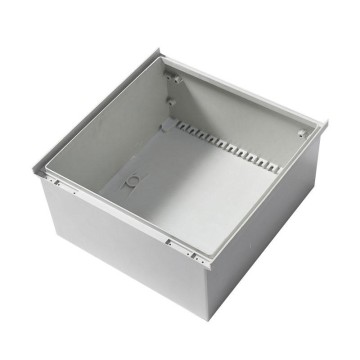
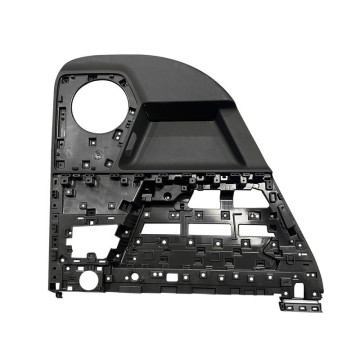
The molding process for both compounds follows a similar principle: the material is placed into the mold cavity or feeding chamber, then heated and pressed to trigger cross-linking reactions in the resin, leading to curing and shaping. SMC molds are widely used in the automotive industry to produce large, sturdy parts such as bumpers, door inner panels, and engine covers, as well as in electrical and industrial fields for enclosures and equipment housings, thanks to their ability to maintain dimensional stability even under harsh conditions. BMC molds excel in manufacturing small, precision parts like electrical insulators, switch components, bathroom accessories, and small mechanical parts, offering significant cost advantages in high-volume mass production scenarios.
A key advantage of SMC/BMC molds is their capability to form complex shapes and fine details that are difficult or impossible to achieve with traditional molding processes like injection molding or stamping. The resulting composite parts combine light weight, exceptional durability, and strong corrosion resistance, outperforming conventional metal or plastic components in many applications. With their long service life, high production efficiency, and compatibility with eco-friendly thermosetting materials, these molds have become a cornerstone in automotive, electrical, and industrial manufacturing, supporting large-scale production while ensuring consistent quality and meeting strict industry standards.