inquiry
Leave Your Message
0%

Looking ahead to 2026, if you're in the market for a press molding machine, picking the right one is really about matching the machine’s capacity to your specific part, the material you're working with, and your production goals. Just because a machine is huge doesn’t mean it’s automatically better. Sometimes, what really makes a difference is a stable cycle, even pressure, and good service support—especially when your factory is running at full tilt. Keep an eye on things like the platen; check how well the temperature is controlled, and ask how quickly tooling can be swapped out. Honestly, those small details can make or break whether your line runs smoothly or ends up wasting hours on adjustments.

Taiichi Ohno, a legendary manufacturing guru, once said, “Where there is no standard, there can be no kaizen.” He wasn’t just talking about general manufacturing—it's a good tip when choosing between machines too. Basically, don’t just trust glossy brochures. Set up some standard tests beforehand: measure cycle times, energy consumption, reject rates, and how easy it is to get to the maintenance points—do these under similar conditions. Numbers definitely help, but the context is what really matters. When you’re shopping around, think about more than just the price. Consider things like how consistent the machine is, whether it’s compatible with your tooling, safety features, and the support you’ll get over its lifetime. Some of these details might seem boring now, but trust me, it’s better than regretting your decision later.

This guide zeroes in on the main types of machines to consider in 2026—hydraulic, mechanical, and servo-driven. We’ll look at their pros and cons, plus some claims that need to be taken with a grain of salt. Keep in mind, a supplier’s claimed speed isn’t always what you’ll see when you actually run your material or mold. No single ranking is perfect either, since everything from actual production conditions to the quality of after-sales support can affect your results. Think of this as a helpful starting point—then, take the time to test your shortlisted options with your own parts, operators, and data before making any final decisions.
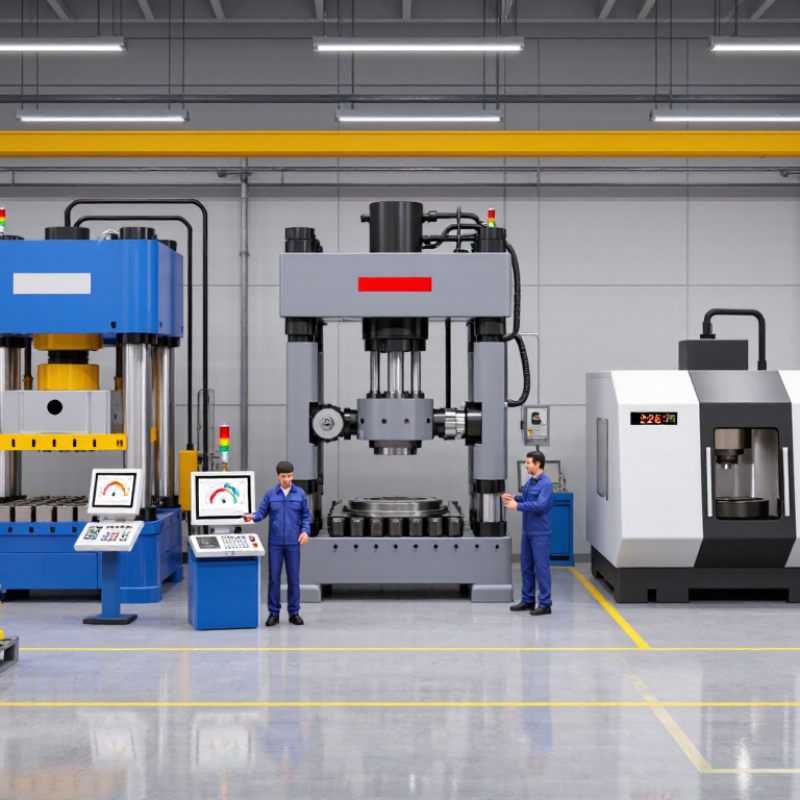
What Are the Top Press Molding Machines in 2026?

What Press Molding Machines Do and How They Work

A Molding Press shapes material inside a closed tool, called a mold. The operator places a measured charge into the cavity, or feeds material through an automated system. The press then brings the mold halves together and applies controlled force. Heat may soften the material or trigger curing, depending on its type. Some processes also use cooling before the mold opens. Simple in principle. Not always simple in practice.

Hydraulic, mechanical, and electric systems can all provide the closing force. Their motion and control differ, so the right machine depends on the part, material, and production rate. For example, a thick molded component may need a longer heating and cooling cycle than a small, thin part. Sensors can track temperature, pressure, and cycle time, while regular checks help reveal uneven heating or worn tooling.

These details matter: a part that looks fine may still contain voids or weak areas. Operators should verify settings with process data and sample inspections, rather than relying on appearance alone. In 2026, machine features may be impressive, but a carefully matched mold and repeatable process still do much of the real work.

One limitation remains. Even a well-controlled press cannot correct a poorly designed part.

Main Types of Press Molding Machines

Press Molding machines are usually grouped by drive system and forming method. Hydraulic presses deliver high force at controlled speeds, making them suitable for thick parts, deep forming, and compression molding. Mechanical presses use a crank or flywheel for fast, repeatable strokes. They fit high-volume work, though their fixed motion can limit process flexibility. Servo-electric presses offer precise position and speed control, useful when parts need consistent dimensions and measured energy use. Hybrid machines combine hydraulic force with electric control.

A practical split. Compression presses shape a charge inside a heated mold; transfer presses push material into a closed cavity, often for detailed thermoset parts.

Selection should follow part size, material, cycle target, and mold design—not a machine label alone. PlasticsEurope’s 2024 report estimates global plastics production at 413.8 million tonnes in 2023. The OECD’s Global Plastics Outlook reports that only 9% of plastic waste was recycled in 2019. These figures do not rank presses, but they underline why scrap control and repeatable processing matter.

Not always. A faster press may still waste material if temperature, pressure, or mold filling is poorly controlled. Compare usable daylight, platen size, stroke, and repeatability against the actual tool. One caveat: published machine specifications rarely reveal real cycle performance on your material, so trials remain worthwhile.

Key Criteria for Comparing Press Molding Machines

When comparing press molding machines in 2026, start with the part, not the headline tonnage. Match clamping force to the material, projected area, and mold design. A machine that is too small may produce uneven parts; excess capacity can add cost without improving quality. Check platen dimensions, daylight, and opening stroke against the actual mold. Numbers can mislead.

Cycle time matters, but compare complete cycles under realistic conditions. Include loading, heating, pressing, cooling, and unloading. Ask for repeatability data across several runs, not one impressive sample. Review temperature control, pressure adjustment, and how clearly operators can monitor settings. Simple controls can help; poorly organized screens can slow a shift. That matters.

Also consider energy use, maintenance access, spare-part availability, and operator safety features. Look for practical details: can technicians reach common service points without removing nearby equipment? Request a trial using your material and representative tooling, then inspect dimensions, surface finish, and scrap rate. A polished demonstration may not reflect a busy production floor. I would be cautious about ranking machines by speed alone; even a useful comparison can miss a plant’s constraints. The right choice depends on the parts, staffing, and production pattern the machine must handle.

Leading Press Molding Machines in 2026

Leading press molding machines in 2026 are best judged by process needs, not a universal ranking. Heated hydraulic presses suit thermoset and composite parts requiring steady pressure and controlled curing. Servo-electric presses can offer precise motion and lower idle energy use, while automated compression-molding lines help manage repeatable, higher-volume production. Hot Press Molding systems with vacuum assistance are useful when trapped air or surface quality needs closer control. Small details matter: platen temperature variation, pressure consistency, and clear cycle records can affect every batch.

The market context is growing. Grand View Research’s 2023 Global Composites Market report valued the sector at USD 94.4 billion in 2022 and projected 7.1% annual growth from 2023 to 2030. This is not a press-machine sales forecast, but it signals rising demand for equipment that can process composite materials reliably. For buyers, matching press capacity to part size and material behavior is more useful than chasing a headline tonnage figure. Bigger is not always better.

A practical comparison should include heating uniformity, platen parallelism, safety interlocks, service access, and data logging. Ask suppliers for sample-part trials and measured cycle results. Specifications can look excellent on paper. Real production is messier. One caveat: automation may improve consistency, but it cannot fix poorly prepared material or an unsuitable mold.

What Are the Top Press Molding Machines in 2026? — Leading Press Molding Machine Types in 2026
Machine Type Typical Clamping Force Common Molding Process Suitable Materials Typical Applications Key Selection Consideration
Hydraulic Compression Press Approximately 50–3,000 metric tons, depending on design Compression molding Thermoset compounds, rubber, composites, and some thermoplastics Automotive components, electrical housings, industrial parts, and composite panels Match press force, daylight, stroke, and platen dimensions to the mold and part area.
SMC/BMC Molding Press Commonly several hundred to several thousand metric tons Compression molding of sheet or bulk molding compound Sheet molding compound (SMC) and bulk molding compound (BMC) Automotive body panels, electrical enclosures, covers, and structural components Check mold size, heating and temperature-control capability, loading method, and production rate.
Vacuum Compression Press Varies widely; selected to suit mold area and material Compression molding under vacuum Composite prepregs, thermoset compounds, and other materials requiring reduced trapped air Composite panels, precision laminates, and parts where void reduction is important Assess vacuum level, chamber or sealing arrangement, platen uniformity, and cycle requirements.
Rubber Compression Press Typically selected for the mold footprint and required cavity pressure Compression molding and vulcanization Natural and synthetic rubber compounds Seals, gaskets, vibration-isolation parts, and molded rubber components Consider platen heating, temperature uniformity, mold opening space, and flash-control needs.
Transfer Molding Press Often lower than large panel presses; sized to the mold and cavity layout Transfer molding, with material forced from a pot into closed cavities Thermoset molding compounds and selected rubber compounds Electrical components, encapsulated parts, and products with inserts or detailed cavities Review pot capacity, transfer system, mold configuration, and insert-loading requirements.
Four-Column Hydraulic Press Available across a broad range, from small presses to high-force production systems Compression molding and other press-forming operations Depends on the mold and process; commonly thermosets, composites, and rubber General-purpose molding, prototyping, and production with varied tooling Check platen parallelism, working area, tie-bar spacing, and access for mold changes.
Electric or Hybrid Servo Press Varies by model and configuration Programmable compression or press-forming cycles Material-dependent; commonly used where controlled motion and repeatable cycles are priorities Precision production, process development, and applications requiring programmable press motion Compare force capacity, speed profile, control options, maintenance needs, and total energy use for the intended duty cycle.

Note: This is a category-level comparison, not a brand or model ranking. Force ranges and capabilities vary by machine design, tooling, material, and process; confirm specifications with the equipment supplier for the intended application.

Materials and Industries Served by Top Machines

Press molding machines serve different materials, so the best fit depends on the part, not just press force. Thermoset SMC and BMC suit rigid panels, electrical enclosures, and corrosion-resistant components. A stable heated mold helps the material flow into ribs and corners. Small details matter.

Thermoplastic sheets and long-fiber compounds are pressed into lightweight covers, interior panels, and selected structural parts. The IEA’s Global EV Outlook 2024 reports nearly 14 million electric cars sold in 2023, around 18% of all car sales. That growth is increasing demand for lightweight components, though it does not mean every vehicle part is press-molded. The Press Molding Process must match the resin’s temperature window, fiber length, and cooling needs.

Rubber compounds serve seals, vibration-control parts, and industrial components; powder-metal pressing serves precise, dense shapes. These materials need different tooling, pressure profiles, and cycle controls. PlasticsEurope’s Plastics – the Fast Facts 2024 reports 413.8 million tonnes of plastics production worldwide in 2023, a broad indicator of the material’s industrial scale—not press molding demand. Not a perfect proxy. Buyers should also check part thickness, scrap rate, and repeatability; published machine specifications alone rarely reveal production-floor variation.

How to Select a Press Molding Machine for Your Needs

What Are the Top Press Molding Machines in 2026?

How to Select a Press Molding Machine for Your Needs

Choose a press by matching its capacity to your parts, not by selecting the highest tonnage available. Start with projected part area, material, cavity count, and required cycle time. Then check platen size, daylight, opening stroke, and temperature-control range. These dimensions determine whether the mold fits and can be serviced safely. For thermosets, stable heating and repeatable pressure matter; for thermoplastics, consider the material’s processing window and cooling needs. Ask for trial data using your actual material and mold. A catalog rating alone is not enough.

Automation may also shape your decision. The International Federation of Robotics’ World Robotics 2024 report recorded 541,302 industrial robot installations worldwide in 2023. That figure is not specific to molding presses, but it shows why robot access, guarding, and control-system compatibility deserve attention. Compare energy use and maintenance requirements alongside purchase price. I would still treat supplier cycle-time estimates cautiously; real parts, operators, and material variation can change the result.

Tips: Bring a sample part and mold drawings to the evaluation. Confirm the press can hold pressure consistently across the working area. Ask how quickly technicians can diagnose faults and source common wear components. A smaller press may be enough, but leaving no room for future tooling can prove costly.

FAQS

How do I choose the right press molding machine?

Match capacity to part area, material, cavity count, and target cycle time. Check platen size, opening stroke, and temperature range. Bigger isn’t better.

Which features matter most for consistent molding?

Check heating uniformity, platen alignment, and pressure consistency. Ask for clear cycle records. Small differences add up.

What type of press suits thermoset materials?

Heated hydraulic presses can provide steady pressure and controlled curing. They may suit SMC and BMC parts, such as rigid panels or electrical enclosures. Test your actual mold.

Are servo-electric presses always more energy-efficient?

They can offer precise motion and lower idle energy use. Compare measured energy use and maintenance needs. It depends.

When is vacuum assistance useful?

It can help control trapped air and improve surface quality. Check whether air is causing defects in your specific part. Not always.

Can automation improve production consistency?

Automated lines can support repeatable, higher-volume production. Check robot access, safety guarding, and control compatibility. Automation cannot fix poorly prepared material.

Can one press handle different materials?

Thermosets, thermoplastics, rubber, and powder metal need different tooling and process controls. One setup may not suit every material.

What should I verify before buying a press?

Bring a sample part and mold drawings. Request measured trial results, pressure checks, and service details. A catalog rating can mislead. Leave room for future tooling, too.

Conclusion

Press molding machines shape materials by applying controlled force through a press and a matched mold. Depending on the process, they may use hydraulic, mechanical, pneumatic, or servo-driven systems, with different designs suited to different production speeds, pressures, and levels of control. Comparing machines involves more than maximum force: buyers should also consider mold size, operating accuracy, cycle time, automation options, energy use, safety features, maintenance needs, and the space available for installation.

Leading press molding machines in 2026 serve a range of materials and industries, including metal forming, plastics, composites, and rubber production. The right choice depends on the material’s behavior, the part’s size and complexity, required output, and acceptable production costs. By matching these requirements with a machine’s capabilities, manufacturers can select a Press Molding Machine that supports consistent quality, efficient operation, and future production needs.
Lila

Lila

Lila is a dedicated marketing professional at Taizhou Chenlin Plastic Mould Co., Ltd., where her expertise in thermosetting composite moulds and injection moulds shines through. With a strong commitment to precision and quality, she plays a pivotal role in showcasing the company’s core business and......
Previous 2026 Top Press Molding Machine Types for Global Buyers