As demand for precision manufacturing is really picking up, having a dependable Molding Press supplier becomes more and more crucial. I mean, industry experts like Dr. James Lee have often said, "A solid Molding Press is basically the backbone of smooth, efficient production." That kinda says it all—choosing the right supplier is a big deal.
When you look at the global scene, China definitely is a main player. Companies like HPA (Huayi Plastic Machinery) and Fanda Machinery are rolling out some pretty innovative options. But, let’s be honest, the competition is tough out there. If you’re a buyer, you really need to do your homework—look at different suppliers carefully to make sure you’re getting quality and performance you can trust.
Of course, it’s not all smooth sailing. Not every supplier sticks to the same standards—some are more advanced tech-wise, and others might just be better at customer service. So, forming a solid partnership with a trusted Molding Press supplier is super important if you want to stay successful in the long run. Do your research, check out their track record—trust me, it’s worth spending the time. Being well-informed really helps cut down on risks and keeps your production running smoothly.
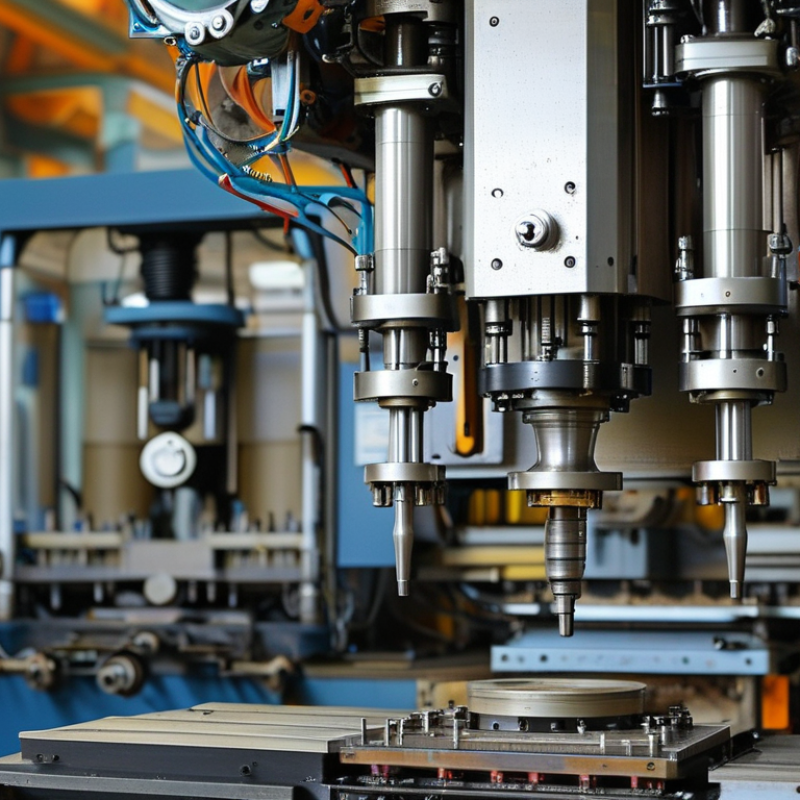
Overview of the Molding Press Industry in China
The molding press industry in China has shown significant growth over the past decade. According to recent reports, the market size is expected to reach $6 billion by 2025. This surge is driven by the increasing demand for manufactured goods.
The automotive and consumer electronics sectors lead in product utilization.
China is now a key player in the global molding press market. Data indicates that over
30% of the world's molding presses are produced in China. Local suppliers are gaining recognition for their technological advancements, but there's a need for continued innovation. Quality remains a concern, as inconsistent standards can affect production outcomes.
Moreover, environmental regulations are tightening. Many manufacturers are adapting their processes, yet compliance remains a challenge. This dynamic landscape requires industry players to pivot quickly. Understanding market trends is crucial for buyers seeking reliable suppliers. It’s not just about price;
assessing quality and innovation is increasingly important in decision-making.
Key Players in the Chinese Molding Press Market
When considering suppliers for molding presses in China, several key players stand out. The Chinese molding press market has experienced significant growth. This increase stems from robust demand in various industries, including automotive, electronics, and consumer goods. Knowing the top players can help global buyers make informed decisions.
The market features companies with a strong emphasis on innovation and technology. Many suppliers invest heavily in research and development. This focus ensures their products meet international standards. Buyers should look for firms that emphasize quality control and customer service. It's essential to evaluate suppliers based on their track record and clientele.
Tips: Always request detailed specifications and certifications from potential suppliers. Establish clear communication regarding your needs and expectations. Regular follow-up can also ensure you stay informed about product availability and updates. Remember, not all suppliers may meet your requirements. A thorough review process can save you from costly mistakes.
Factors Contributing to China's Dominance in Molding Press Supply
China has established itself as a leading player in the molding press supply industry. Several factors contribute to this dominance. First, cost-effective manufacturing processes enable Chinese suppliers to offer competitive pricing. This affordability attracts global buyers seeking high-quality yet budget-friendly options in Press Molding.
Additionally, China's robust infrastructure supports fast production cycles. Advanced technology in Chinese factories facilitates efficient operations, thus meeting the demands of various industries worldwide. Moreover, the skilled workforce contributes expertise in handling complex molding designs. However, the rapid growth raises questions about sustainability and quality control. While efficiency is high, ensuring consistent quality remains a challenge for manufacturers.
Tip: When selecting a supplier, always evaluate their quality assurance processes. Look for detailed information on their production methods. This will help prevent potential issues with the final product.
The adaptability of Chinese suppliers also plays a crucial role in their success. They quickly respond to market trends and customer needs, customizing press molding solutions. However, this flexibility can sometimes lead to inconsistencies. Buyers should vet suppliers thoroughly to avoid any unexpected variations in product standards.
Tip: Establish clear communication with your supplier. Discuss expectations and specifications early in the process. This proactive approach minimizes misunderstandings and ensures better outcomes.
Popular Molding Press Types and Their Applications
Molding presses play a crucial role in various manufacturing sectors. They are essential for transforming raw materials into usable products. Different types of molding presses cater to unique applications, allowing companies to optimize their production processes. A report by Research and Markets notes that the global molding machine market size is projected to reach approximately $24 billion by 2027, emphasizing the growing demand in this field.
This method uses heat and pressure to shape materials, enhancing their durability and performance. It’s commonly utilized in manufacturing composite materials, which are increasingly vital in industries like
aerospace and
automotive. The ability to mold intricate shapes with precision makes hot press molding a preferred choice. However, companies often struggle with the
initial setup costs and energy consumption, which can impact profitability.
Another key area in the molding press market is the
continuous advancements in automation. Machine learning and AI are shaping the future of molding presses. By optimizing operational efficiency, these technologies reduce waste and improve safety standards. Yet, businesses must remain cautious about the
initial investment. Understanding the long-term benefits against upfront costs is essential for sustainable growth in this evolving industry.
Insights into Quality and Innovation Among Suppliers
When it comes to molding press suppliers in China, quality and innovation are paramount. Many suppliers are pushing boundaries to enhance the performance and reliability of their presses. These advancements often focus on materials used and the technology incorporated. Cutting-edge machinery can now deliver faster cycle times and improved precision, catering to a variety of industries such as automotive and electronics.
However, not all suppliers maintain consistent quality. Some may struggle with production scalability or effective quality control measures. While many claim to have advanced technologies, the reality can be different. Buyers must scrutinize the operational processes and certifications of each supplier. Engaging with them directly can provide insights into their practices and commitment to innovation. A face-to-face meeting or factory visit can reveal a lot about their capabilities.
Trust in suppliers hinges on transparency and reliability. Suppliers should ideally be open about their production processes and the innovations they are developing. Buyers should ask questions and seek clarity on potential issues, like lead times and product defects. By fostering open communication, buyers can build a partnership based on mutual understanding and quality assurance.
China Top Molding Press Suppliers for Global Buyers
| Supplier Category |
Average Production Capacity (units/month) |
Material Used |
Technology Innovation Score |
Export Markets |
| High-End Molding Press |
1500 |
Steel, Aluminum |
9.5/10 |
North America, Europe |
| Economical Molding Press |
3000 |
Cast Iron, Steel |
8.0/10 |
Southeast Asia, South America |
| Custom Molding Press |
1200 |
Plastics, Composite Materials |
9.0/10 |
Global |
| Precision Molding Press |
800 |
Alloy Steels |
9.8/10 |
Middle East, Asia |
Challenges Faced by Chinese Molding Press Manufacturers
Chinese molding press manufacturers are navigating a complex landscape. Several challenges hinder their growth in the global market. Quality control remains a primary concern. Many manufacturers struggle to maintain consistent quality due to varying standards. This inconsistency can tarnish reputations.
Another hurdle is competition. With increasing global demand, many countries strive to enter the molding press market. Chinese suppliers face intense rivalry, especially in price and technology. It's essential for manufacturers to innovate continually. Upgrading equipment can be costly but is often necessary.
Supply chain disruptions have also posed significant obstacles. Raw material shortages have impacted production schedules. Manufacturers must find reliable suppliers to ensure timely delivery. Adaptability is crucial, yet not all companies excel at pivoting quickly to market changes. Long-term strategies may require reevaluation amid these pressures. In this environment, focusing on the Press Molding Process can help enhance efficiency and productivity.
Challenges Faced by Chinese Molding Press Manufacturers
Future Trends in the Global Molding Press Supply Chain
The global molding press supply chain is evolving quickly. Buyers are increasingly seeking reliable suppliers who can adapt to market changes. Understanding these trends is crucial for making informed decisions in sourcing. With the rise of automation, manufacturers are investing in smarter technology. This shift improves efficiency and reduces costs.
Sustainability is another key factor driving change. Many companies are now prioritizing eco-friendly processes and materials. Adopting such measures not only meets customer demands but also aligns with regulatory standards. As the industry shifts towards greener practices, suppliers must reflect this change.
In the realm of Plastic Press Molding, there are challenges to consider. Supply chain disruptions can affect production timelines. A lack of transparency about supplier capabilities can lead to miscommunication. Buyers must ask the right questions to ensure collaboration. Understanding these elements can lead to better partnerships that thrive in the changing landscape.
FAQS
: Automotive, electronics, and consumer goods are key industries driving demand.
Buyers should check suppliers' track records, certifications, and quality control measures.
Innovation enhances performance, reliability, and speed in molding presses, benefiting various industries.
No, some suppliers struggle with quality control, which may affect their reputation.
Clear communication ensures alignment on needs and can prevent costly misunderstandings.
Quality control, competition, and supply chain disruptions are major challenges.
Yes, factory visits can provide insights into suppliers' capabilities and practices.
Inquire about production processes, lead times, and innovations being developed.
Adaptability is crucial, but not all manufacturers excel at it, necessitating reevaluation.
Many buyers neglect to thoroughly review suppliers, risking poor decision-making.
Conclusion
The article explores the significant role of China in the global Molding Press industry. It begins with an overview of the molding press sector in China, highlighting key players and the factors that contribute to the country's dominance in supplying these essential machines. The discussion extends to various popular types of molding presses and their applications across different industries, showcasing the versatility and utility of these machines.
The article also delves into insights related to the quality and innovation present among Chinese suppliers, while addressing the challenges that manufacturers face in this competitive market. Looking forward, the piece anticipates future trends in the global molding press supply chain, indicating that China will continue to be a pivotal player due to its advancements and capabilities in production and technology.

 86-13511478976
 Contact Phone
 Contact Email