Hey, have you noticed that the demand for high-quality Mold Machines is really picking up worldwide? In 2026, buyers are looking for more advanced tech and fresh innovation. Lots of different companies are trying to meet these high expectations, but it’s not always smooth sailing—they’ve got their fair share of challenges.
Take Arburg and Engel, for example. They focus a lot on efficiency and precision, which is awesome. Their machines are pretty cost-effective, too. But honestly, sometimes they don’t quite hit the mark for every specific need out there. It’s a tricky balance—figuring out how to get the right quality without breaking the bank. And for buyers, knowing which suppliers really know their stuff can make all the difference.
Plus, with how fast things are changing in the market, going green is becoming a big deal. Eco-friendly Mold Machines are gaining popularity for sure. But sourcing these greener options isn’t always straightforward—they can be tricky to find or more expensive upfront. That’s why brands really need to be transparent to earn customers’ trust and stay competitive. As trends keep shifting, being flexible and adaptable is key if you want to succeed in this crowded marketplace.
Overview of the Mold Machine Market Trends for 2026
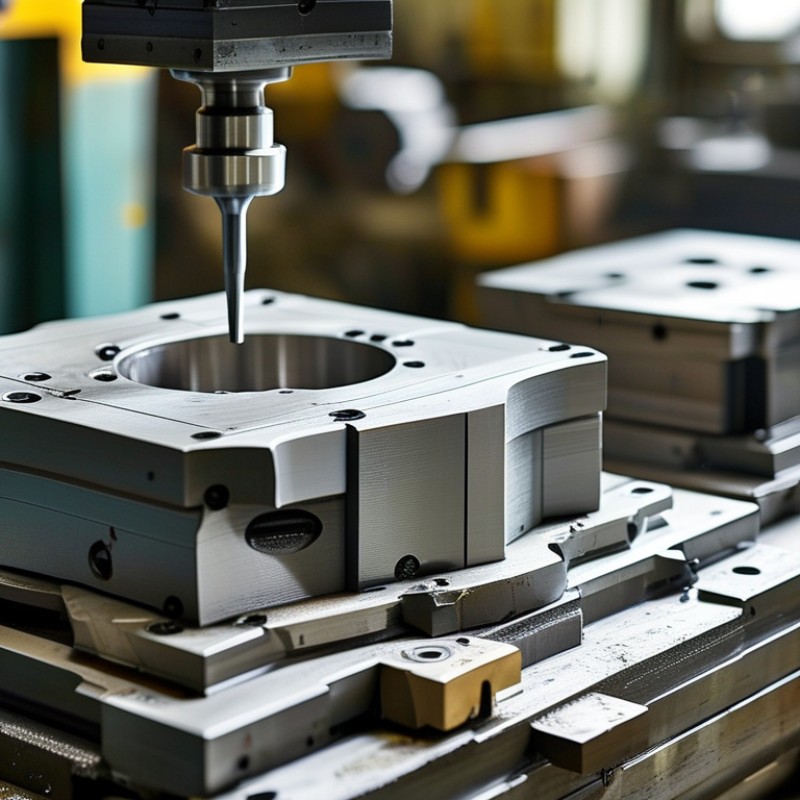
The mold machine market is experiencing significant changes as we approach 2026. Increasing demand for precision manufacturing is driving innovations in mold cutting technology. Buyers are looking for machines that combine efficiency with advanced features. Emerging markets are particularly focused on cost-effective solutions that do not compromise on quality.
Mold Cutting Machines are expected to become more automated in the coming years. This trend will enhance productivity and reduce labor costs. Cutting-edge technologies like AI and IoT will play crucial roles in machine performance. However, potential buyers must consider the complexities of integration. Understanding how these innovations align with existing processes is essential.
It’s important to evaluate machine specifications carefully. Price should not be the only factor; durability and maintenance requirements matter too. Investing in training for operators may seem unnecessary, but it can prevent costly errors. Reflecting on your current production needs and future goals is essential for making informed decisions. Balancing cost and quality will remain a challenge in the evolving market landscape.
Top Mold Machines Market Trends for 2026
This chart represents the projected market share of different types of mold machines in 2026. Injection molding remains the dominant technology, expected to capture the largest share of the market, followed by blow molding and others.
Key Features and Technologies in Top Mold Machines
The landscape of molding technology is rapidly evolving. In 2026, top mold machines will likely showcase advanced features. These machines will focus on efficiency and sustainability. A significant aspect will involve energy-saving technologies. Machines that consume less power while maintaining productivity will become essential. Users may notice a shift towards improved temperature control systems. Such systems ensure better material consistency and reduced scrap rates.
The automation will also play a key role. Many molding machines will integrate smart technology. This allows for real-time monitoring and adjustments. With data analytics, manufacturers can predict issues before they arise. However, reliance on this technology raises concerns about maintenance and technical understanding. Operators must be trained thoroughly to handle complexities.
Additionally, the demand for customizable molds is increasing. Buyers will seek machines that offer flexible configurations. This adaptability can cater to diverse product lines. While customization is beneficial, it may complicate the design process. The challenge lies in balancing versatility with simplicity in functionality. Overall, as the industry advances, keeping pace with these emerging features is critical for global buyers in the molding sector.
Leading Manufacturers of Mold Machines Worldwide
Mold machines play a vital role in various industries. Their importance is growing steadily as the demand for precision and quality increases. Manufacturers worldwide are focusing on enhancing their technology to meet these demands. Collaborating with engineers, these manufacturers create highly efficient machines. They aim to provide precision molds for diverse applications.
Buyers must evaluate the capabilities of mold machines. Different manufacturers have unique strengths in their designs. Understanding these can help buyers make informed decisions. Be aware of the specifications that suit your production needs. Investing in a reliable machine can ultimately save costs.
For those looking to purchase mold machines, consider market trends. Research emerging technologies in the industry. Attend trade shows to gain insights into the latest developments. Additionally, evaluate after-sales support and maintenance services when selecting a manufacturer. Reliable support can improve the longevity and efficiency of the machine. Remember, an investment today can yield significant returns tomorrow.
Factors Influencing Global Demand for Mold Machines
The demand for mold machines is influenced by various factors. One crucial aspect is technological advancement. As manufacturing processes evolve, the need for more efficient and precise machines grows. Companies are seeking machines that enhance productivity while minimizing waste. Improvements in automation are also shaping preferences in mold technology.
Market dynamics play a significant role as well. Global economic conditions affect spending on equipment. Regions experiencing growth in manufacturing are likely to increase their investment in Industrial Mold & Machine. On the other hand, economic downturns may lead to budget cuts. Companies may opt for refurbished machines instead of new ones.
Sustainability is a rising concern. Many buyers prefer machines that reduce energy consumption and environmental impact. This shift towards greener technologies is evident in purchasing decisions. However, finding a balance between innovation and cost-effectiveness can be challenging. Buyers must carefully evaluate their options. They often question whether investing in the latest technology is worth it. In this evolving landscape, adaptability is essential for success.
Sustainability Practices in Mold Machine Production
As the demand for mold machines continues to rise globally, sustainability practices in their production are becoming critical. The global plastics market was valued at approximately $568 billion in 2021 and is expected to grow significantly. This growth heightens the need for eco-friendly practices in mold machine manufacturing. Reports indicate that about 40% of plastic waste is linked to the production process, thereby pressing manufacturers to reduce their carbon footprint.
In recent years, some companies have begun adopting greener methods. These include sourcing materials from recycled content, minimizing energy usage, and implementing waste reduction techniques. A 2023 industry study revealed that firms implementing sustainable practices saw a 20% reduction in operational costs. Such findings highlight the potential for economic benefits alongside environmental responsibility.
Industry experts suggest focusing on supply chain transparency. This practice can lead to improved resource management. Regular audits and assessments can help identify inefficiencies. Continuous learning from industry best practices is essential. It ensures ongoing improvements in sustainability efforts. Adopting these strategies can promote a healthier production environment and encourage innovation.
Top Mold Machines for Global Buyers in 2026 - Sustainability Practices in Mold Machine Production
| Mold Machine Type |
Energy Efficiency Rating |
Materials Used |
Recyclability |
Sustainability Certifications |
Projected Cost (USD) |
| Injection Molding Machine |
A++ |
High-Strength Aluminum |
Yes |
ISO 14001 |
50,000 |
| Blow Molding Machine |
A+ |
Recycled Plastics |
Partial |
CE Mark |
45,000 |
| Compression Molding Machine |
A |
Natural Fibers |
Yes |
Green Seal |
40,000 |
| 3D Printing Machine |
A++ |
Biodegradable Filaments |
Yes |
FSC Certified |
70,000 |
| Rotational Molding Machine |
B |
Recycled Materials |
Partial |
ISO 50001 |
55,000 |
Emerging Markets and Their Impact on Mold Machine Sales
Emerging markets are showing a significant impact on mold machine sales. Countries like India, Brazil, and Vietnam are rapidly industrializing. Their growing demand for various consumer goods drives the need for efficient production tools, including
Injection Molding Machine Mold. This market shift results in a remarkable increase in orders and production capacity in these regions.
In these emerging markets, local manufacturers are adapting new technologies at an impressive pace. This approach helps enhance productivity. Nevertheless, there are challenges. Quality control remains a critical issue as manufacturers strive to meet international standards. A lack of skilled labor can also hinder progress, affecting the reliability of mold machines.
Collaboration between global companies and local firms can bridge this gap. By sharing expertise and training, both sides can benefit. Local companies can gain insights into advanced processes while providing a fresh market perspective. In this ever-evolving landscape, the dynamic between emerging markets and established manufacturers will shape the future of mold machine sales dramatically.
Future Innovations and Predictions for Mold Machinery
The future of mold machinery is set to undergo significant transformations by 2026. Innovations in automation and AI are expected to enhance the efficiency of mold production. Smart sensors integrated into machines will provide real-time data. This allows for predictive maintenance, reducing downtime and increasing productivity. Buyers will seek equipment that not only meets current demands but anticipates future challenges.
Sustainability will also play a crucial role in shaping the industry. Eco-friendly materials and energy-efficient designs will become essential. Manufacturers will need to reflect on their environmental impact. While advancements are promising, questions about affordability arise. Will small businesses have access to these innovations? Balancing sustainability with cost-effectiveness will be a challenge.
Additionally, the global market will likely see a rise in demand for customized solutions. Flexibility to adapt to varying production needs will be vital. Traditional machines might fall short in meeting these new requirements. As the industry evolves, the focus on collaboration and knowledge-sharing among stakeholders will be critical. Addressing these needs will determine the success of mold machinery in the coming years.
Comprehensive Guide to Choosing the Right Plastic Injection Mold for Automotive Spare Parts Production
Choosing the right plastic injection mold for automotive spare parts production is crucial for ensuring quality, efficiency, and cost-effectiveness in manufacturing processes. The type of mold significantly affects production parameters, and compression molds are particularly effective for creating durable automotive components. With options such as single cavity, multiple cavities, or multiple cavities with interchangeable inserts, manufacturers can optimize their production to meet specific demands and volume requirements.
The selection of mold steel plays a vital role in the lifespan and performance of the mold. Common steels like P20, S50C, and S45 are frequently utilized, with P20 being particularly noted for its ability to handle approximately 300,000 cycles, making it a reliable choice for high-volume production. The heating system, whether oil heating or electrical rods, impacts both energy efficiency and mold temperature control, which can enhance the quality of the final product. Additionally, employing a hydraulic eject system with air assistance can streamline the ejection process, reducing cycle times and improving overall productivity.
It’s important to consider lead time when planning for production. A standard lead time of around 53 days for mold production allows companies to align their supply chain strategies effectively. By leveraging advanced technologies and choosing the appropriate mold configurations, manufacturers can not only meet the rigorous demands of the automotive industry but also achieve a competitive edge in quality and delivery timelines. This comprehensive approach to mold selection will foster improved operational efficiency and drive superior outcomes in automotive spare parts production.
FAQS
: The mold machine market is seeing increased demand for precision manufacturing and cost-effective solutions without sacrificing quality.
Automation is expected to enhance productivity and reduce labor costs, with AI and IoT playing key roles in performance.
Sustainability practices are crucial due to the rising demand and significant plastic waste linked to the production process.
Companies can adopt greener methods, such as using recycled materials, reducing energy usage, and minimizing waste.
Buyers should evaluate machine specifications, durability, maintenance needs, and the costs of operator training.
Small businesses may struggle with affordability when accessing new automated and eco-friendly technologies in mold machinery.
Supply chain transparency improves resource management and helps identify inefficiencies during regular audits and assessments.
Continuous learning from best practices drives ongoing improvements in sustainability and innovation in mold machine production.
The demand for customized solutions will increase, requiring machines to adapt to changing production needs effectively.
Collaboration is essential for addressing evolving needs and ensuring the success of mold machinery in the competitive market.
Conclusion
The article "Top Mold Machines for Global Buyers in 2026" provides a comprehensive overview of the mold machine market, emphasizing key trends and technologies expected to shape the industry. It highlights the essential features of leading mold machines, which cater to the evolving needs of manufacturers worldwide. Moreover, the article examines the factors influencing global demand, such as technological advancements and emerging markets that are significantly impacting mold machine sales.
Sustainability practices in production are also discussed, illustrating the industry's commitment to environmentally friendly manufacturing processes. Future innovations and predictions for mold machinery suggest a dynamic landscape where efficiency and adaptability become paramount. Overall, this insightful analysis serves as a valuable resource for understanding the future trajectory of the mold machine market in 2026.
 86-13511478976
 Contact Phone
 Contact Email