You know, these days, everyone’s really feeling the need for precision in manufacturing. By 2026, manufacturers are under a lot of pressure to do things more efficiently and keep costs down. One game-changing move? Investing in some pretty advanced Mold Cutting Machines. As per a recent report from Technavio, the worldwide mold-making market is expected to hit around $24 billion by 2025. That just shows how much more important top-notch equipment is getting these days.
Now, these Mold Cutting Machines are crucial in industries like automotive and aerospace. Their ability to crank out complex parts faster really gives companies an edge in production. But here’s the thing — a lot of companies are still stuck with old tech that’s not cutting it anymore. So, really, upgrading to new, modern equipment isn’t just a good idea — it’s almost a must.
And if you look at the bigger picture, a study by MarketsandMarkets estimates a compound annual growth rate of about 6.5% in related sectors from 2021 to 2026. That trend is pointing towards one thing: the need for solid mold-cutting solutions is only going to grow. But let’s be honest — switching over to new tech can seem pretty intimidating at first. Picking the right machines, understanding market trends — it’s a lot to take in. So, taking a thoughtful, strategic approach can really help cut down on risks and boost overall production. Bottom line? Investing in Mold Cutting Machines isn’t just about keeping up with technology — it’s about securing your business’s future.
Overview of Mold Cutting Machines in 2026
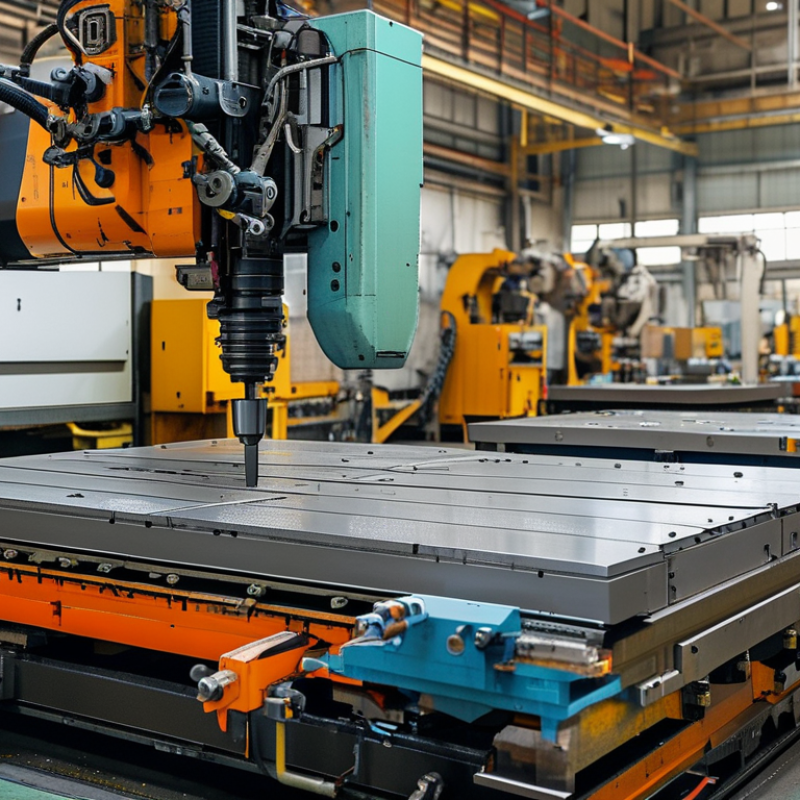
Mold cutting machines have evolved significantly in 2026. They play a crucial role in production efficiency. These machines now incorporate advanced technologies, making them more user-friendly. Faster processing times and improved precision attract manufacturers.
In choosing the right Mold Machine, consider your specific needs. The size and shape of parts can influence your choice. Always evaluate the machine’s compatibility with your materials. Speed and accuracy are key. Investing in training for operators is equally important.
Tips: Regular maintenance is essential for optimal performance. Small issues can lead to larger problems if not addressed. Additionally, staying updated on industry trends ensures your machinery remains competitive. Adaptation is vital as production demands change. Remember to involve your team in machine selection to gain valuable insights.
Key Features to Look for in Modern Mold Cutting Machines
When looking for modern mold cutting machines, key features are essential to maximize efficiency. The first consideration is precision. Machines must deliver consistent accuracy. This ensures high-quality molds with minimal waste. Look for technology that minimizes tool wear. This can reduce downtime and maintenance costs.
Speed is another crucial factor. Faster machines can keep up with production demands. Evaluate the feed rate and cutting speed specifications. Ensure these meet your production capacity needs. Additionally, automation features simplify operations. These features can handle complex cuts without requiring constant user input.
Tips: Regularly assess the machine's performance metrics. This helps identify areas for improvement. Consider the adaptability of the machine for different projects. Investing in versatile machines can save time in the long run. Don't overlook the importance of user-friendly interfaces and training programs. Effective training can significantly enhance operational efficiency.
Leading Brands of Mold Cutting Machines in 2026
In 2026, the mold cutting machine market is expected to see significant advancements. These machines play a vital role in production efficiency across various industries. The demand for precision is higher than ever. Manufacturers look for machines that can deliver consistent results while being user-friendly.
Top brands in the industry have prioritized innovative technology. Many models offer automation features, reducing human error. However, some systems may be overly complex for smaller operations. A balance between advanced functions and ease of use is essential. Users often report challenges in training staff, highlighting the need for intuitive interfaces.
Reliability is another crucial aspect. Machines must perform under continuous stress without frequent breakdowns. Some models shine in durability but lack in speed. Conversely, others excel at rapid output but may compromise on quality. The ideal machine is one that can marry these traits effectively. Industry professionals constantly refine their criteria for selecting equipment, emphasizing real-world performance.
Top Mold Cutting Machines for Efficient Production in 2026
| Machine Type |
Max Cutting Speed (m/min) |
Material Compatibility |
Control System |
Energy Consumption (kWh) |
| CNC Milling Machine |
50 |
Aluminum, Steel, Plastic |
G-code |
15 |
| Wire EDM Machine |
30 |
Hard Steel, Carbide |
ISO 14649 |
12 |
| Laser Cutting Machine |
80 |
Plastic, Wood, Metal |
PC-based |
25 |
| Plasma Cutting Machine |
100 |
Mild Steel, Stainless Steel |
CNC |
20 |
| 3D Printing Machine |
N/A |
Plastic, Resin |
G-code |
10 |
Technological Innovations Shaping Mold Cutting Efficiency
Technological innovations are transforming the mold cutting landscape. The efficiency of mold cutting is critical for meeting increasing production demands. According to the latest industry report, businesses that adopted advanced machines saw a 25% increase in production speed compared to traditional methods. This shift is driven by the emergence of AI and automation in mold design and cutting processes.
New features like real-time monitoring and predictive maintenance are enhancing reliability. Getting accurate data helps operators make timely adjustments. This ensures minimal downtime. However, not all companies are leveraging these advancements. Some still rely on outdated techniques, which can lead to inefficiencies. The gap between high-performing and low-performing companies is widening.
Moreover, the integration of eco-friendly materials is gaining traction in 2026. Embracing sustainable practices can reduce costs and environmental impact. While innovations are promising, challenges remain. Worker training on new technologies is essential yet often overlooked. As the industry evolves, the importance of an agile workforce grows. Balancing efficiency with sustainability will become increasingly complex, especially for facilities using Injection Machine Mold technology.
Comparative Analysis of Performance Among Top Machines
The production landscape for mold cutting machines is evolving rapidly. In 2026, efficiency will be crucial for manufacturers. Recent reports indicate that the highest-performing machines can reduce cycle times by up to 30%. This significant improvement directly correlates with shorter lead times and increased output. However, the initial investment in advanced technology can be a barrier for many businesses, leading to a critical analysis of cost versus long-term benefits.
Comparing key features among top machines reveals notable variations in precision and durability. Some machines excel in speed but struggle with material compatibility. Reports state that machines designed for a diverse range of materials can enhance productivity by at least 40%. Despite these advantages, not all models achieve the same reliability. Users have reported inconsistencies in performance under different load conditions. Selecting the right "Industrial Mold & Machine" requires careful consideration of both operational needs and financial implications.
Moreover, the integration of smart technology is becoming a game changer. Machines equipped with IoT capabilities can monitor their performance in real-time. This results in better maintenance strategies and reduced downtime. However, this technology demands skilled operators, raising questions about workforce readiness. Training staff on new systems is a challenge that manufacturers must address to fully reap the benefits of these advancements. As the market grows, balancing innovation with practical implementation will be essential for sustained success.
Cost Considerations for Investing in Mold Cutting Equipment
When investing in mold cutting equipment, cost considerations are critical. The upfront price may be tempting, but long-term expenses matter more. Maintenance, energy consumption, and potential labor costs greatly impact overall investment. It's wise to evaluate total operating costs before making a decision.
Tips: Evaluate the maintenance history of similar machines. This can give insights into future costs. Sometimes, a cheaper machine may lead to higher upkeep expenses. Look into energy-efficient options; these can save substantial amounts over time.
Training employees on the new machinery is another cost to consider. An untrained operator risks errors that can lead to higher production costs. Investing in comprehensive training can mitigate this risk. Knowledgeable staff can prevent mistakes and enhance efficiency. Balancing the initial investment with potential returns is crucial for making informed choices.
Future Trends in Mold Cutting Technology Beyond 2026
The future of mold cutting technology is poised for significant improvements beyond 2026. Industry reports predict a surge in demand for high-precision cutting machines, driven by the need for rapid production cycles. According to a study by the Global Cutting Technologies Association, the market for advanced cutting tools is expected to grow by over 7% annually. This velocity reflects the pressing need for efficiency in production environments.
Innovations in automation are transforming mold cutting practices. Robotics and AI will increasingly play key roles, reducing human error and enhancing precision. Current data indicates that automated systems can boost productivity by up to 30%. However, organizations often find it challenging to keep pace with these rapid advancements. Integration issues arise when upgrading legacy systems. Businesses need to weigh the benefits against the costs and potential tech hurdles.
**Tip:** Regular training for staff is critical. Employees should be familiar with new technologies. This can minimize errors and improve workflow.
Cutting-edge materials are also crucial in the evolution of Injection Molding Machine Mold operations. The emerging trend of using composites and advanced alloys promises longer-lasting durability for cutting tools. Yet, many companies struggle to switch from traditional materials. Analysts emphasize the need for a gradual transition to preserve production integrity. Balancing innovation with existing capabilities is a difficult but necessary endeavor.
Advancements in Moulding Techniques: A Comprehensive Analysis of Xichai E00 Auto Engine Cover Production Using Plastic Molding Methods
The production of the Xichai E00 auto engine cover through plastic molding methods demonstrates significant advancements in molding techniques. One of the primary processes utilized is compression molding, which involves the use of specialized moulds crafted from robust materials such as P20, S50C, and S45 steel. These moulds can be designed with either a single cavity or multiple cavities, including interchangeable inserts, allowing for greater flexibility and efficiency in production runs. This adaptability is crucial in meeting the demands of modern automotive manufacturing where customization and volume are key.
The heating systems employed in the molding process play a vital role in achieving optimal results. Options such as oil heating or electrical rod heating are available, with each method offering specific benefits depending on the production requirements. Coupled with an advanced ejection system featuring hydraulic ejects with air assist, the entire molding cycle can be significantly streamlined. For instance, a mould made from P20 steel can yield approximately 300 thousand cycles, indicating its durability and longevity. The lead time for developing and delivering these moulds is approximately 91 days, underscoring the efficiency of contemporary molding practices in the automotive sector.
FAQS
: Precision is essential. Look for machines that deliver consistent accuracy and minimal waste.
Speed is crucial. Faster machines can meet higher production demands effectively.
Automation simplifies operations. It allows machines to handle complex cuts with less user input.
Regularly assess performance metrics. Identify areas for improvement to enhance efficiency.
Yes, versatile machines can save time on different projects. Adaptability is key in production.
User-friendly interfaces ease training. Effective training boosts operational efficiency significantly.
Some systems may be overly complex. Training staff on these machines can be a significant hurdle.
Yes, reliability is crucial. Machines must perform steadily under continuous use without frequent breakdowns.
Look for a machine that offers both speed and quality. Finding this balance is essential for efficiency.
Technology that minimizes tool wear can reduce downtime and lower maintenance expenses.
Conclusion
In 2026, mold cutting machines are set to play a pivotal role in enhancing production efficiency across various industries. A comprehensive overview reveals that modern machines incorporate advanced features such as automation, precision cutting, and increased speed, which are crucial for meeting the demands of rapid production cycles. Key considerations for selecting a mold cutting machine include its technical capabilities, user-friendliness, and maintenance requirements, ensuring that companies can maximize their investments.
Technological innovations, including artificial intelligence and improved software integration, are significantly shaping the efficiency of mold cutting processes. A comparative analysis of performance among leading machines highlights variations in output and quality, guiding businesses in their purchasing decisions. Cost considerations are vital, as initial investments must be balanced against long-term operational savings. Looking ahead, trends suggest a continued evolution in mold cutting technology, indicating that businesses will need to stay informed about the latest advancements to maintain competitive advantage.
 86-13511478976
 Contact Phone
 Contact Email