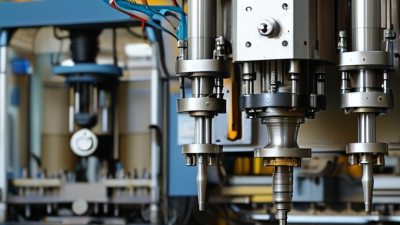
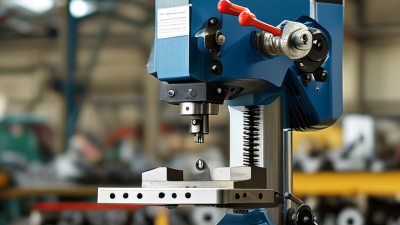
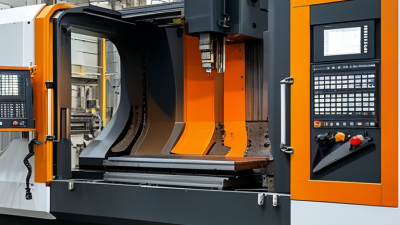
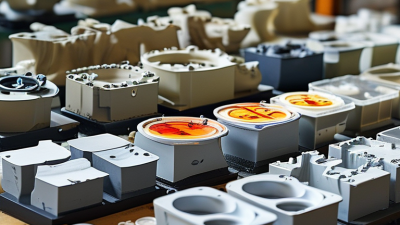
In today’s super competitive market, businesses are always on the lookout for more efficient ways to manufacture stuff. One method that really stands out is using a Plastic Injection Press. It’s not just about making parts—this technology is actually shaping the future of production. It works quickly and accurately, helping different industries keep up with demand.
Quite a few companies, from car makers to folks in the consumer goods world, rely heavily on this method. It’s great for mass production and helps cut down on waste. Plus, the flexibility of a Plastic Injection Press means companies can really get creative and innovate faster. Still, it’s not all smooth sailing—there are some challenges. Companies need to invest in proper training and regular maintenance, which can be a bit of a hurdle at times.
In the end, to truly appreciate the benefits of a Plastic Injection Press, you’ve got to be willing to learn. When done right, it offers some serious advantages. But if you dive in without the know-how, you might run into problems. Adopting this tech isn’t just a quick fix; it needs careful planning and execution. When you get it right, though, it’s a game-changer for modern manufacturing—and that’s pretty exciting.
Overview of Plastic Injection Press Technology
Plastic injection press technology has revolutionized manufacturing processes. This innovative method creates complex shapes using less material and energy. According to a report by the International Plastics Association, companies using injection molding can lower production costs by up to 30%. This efficiency contributes to better profit margins and allows businesses to remain competitive.
The technology operates by melting plastic granules and injecting the material into molds. This process not only ensures precision but also minimizes waste. Reports indicate that injection molding can achieve tolerances as tight as ±0.001 inches. This level of accuracy is vital in industries like automotive and healthcare, where components must meet strict standards.
Yet, the technology isn't without challenges. Operators may encounter issues like material degradation if temperatures are mismanaged. Excessive cycle times can lead to inefficiencies. These reflect the need for continuous training and process optimization. Adapting to this advanced technology requires investment in skilled labor and updated machinery, which can be daunting for some businesses.
Enhanced Production Efficiency and Speed
In today's fast-paced manufacturing landscape, enhanced production efficiency and speed are critical. Utilizing a plastic injection press streamlines the production process significantly. Reports indicate that manufacturers can witness a 30% increase in production speed by adopting advanced Plastic Press Molding techniques. This improvement is largely attributed to automation and precision, allowing for rapid cycle times and minimal errors.
Efficiency doesn't only translate to speed; it also impacts overall costs. Research has shown that effective use of plastic press molding reduces material waste by up to 20%. This reduction not only supports environmental sustainability but also helps businesses cut expenses. As companies focus on lean manufacturing, the benefits become even more apparent. The shift to efficient equipment is not without challenges, however. Businesses may encounter initial setup costs that require careful budget planning.
Manufacturers need to consider the long-term return on investment. While the upfront costs can be daunting, the potential for increased output and lower operational costs can justify the investment. The need to adapt to new technologies can be a hurdle for some businesses, demanding ongoing training and resources. Yet, data suggests that overcoming these challenges leads to lasting improvements in productivity and quality.
Cost-Effectiveness in Mass Production
Plastic injection molding has become a popular choice for businesses looking to optimize production costs. This method allows for mass production of high-quality parts at a lower cost when compared to traditional manufacturing techniques. By using a plastic injection press, companies can rapidly produce large quantities while maintaining consistent quality. This efficiency can significantly reduce labor costs and time spent on production.
The cost-effectiveness of plastic injection presses extends beyond mere production efficiency. The initial investment may seem high, but the long-term savings can be substantial. Businesses benefit from reduced material waste and lower energy consumption during the molding process. Additionally, the versatility of plastic materials allows for innovative designs that can attract more customers. However, it's important to consider the setup and maintenance costs associated with these machines. Proper training for staff and regular maintenance can prevent unexpected expenses that might offset the initial savings.
Moreover, businesses often grapple with the challenge of forecasting demand accurately. Overproduction can lead to surplus inventory and wasted resources. On the flip side, underproduction can result in missed opportunities and lost revenue. It's a delicate balance that requires careful planning. A plastic injection press can provide flexibility, but relying solely on it without a solid strategy could lead to inefficiencies. Understanding the nuances of this technology is crucial for maximizing its benefits.
Top 10 Benefits of Using a Plastic Injection Press for Business
| Benefit |
Description |
Estimated Impact |
| Cost-Effectiveness |
Reduces the cost per unit in large scale production. |
Up to 30% savings on production costs. |
| High Efficiency |
Fast cycle times improves throughput. |
Increases output by 25%. |
| Design Flexibility |
Allows for complex designs and shapes with precision. |
Supports multiple design variations. |
| Material Variety |
Compatible with various plastic materials for diverse applications. |
Reduces material costs by facilitating use of cheaper alternatives. |
| Scalability |
Easily ramp up production as demand increases. |
Facilitates growth without major capital investment. |
| Reduced Waste |
Efficient use of materials reduces scrap and waste. |
Minimal waste leads to 15% lower material expenses. |
| Automated Processes |
Automation in injection molding minimizes manual labor. |
Saves labor costs by 20%. |
| Quality Consistency |
Produces uniform products with minimal variation. |
Improves customer satisfaction and reduces returns by 10%. |
| Enhanced Production Speed |
Faster mold changes and operation times compared to other methods. |
Decreases time to market by 15%. |
| Durability of Products |
Creates strong and durable plastic parts suitable for various applications. |
Extends product lifespan by up to 20%. |
Versatility in Material Usage and Design Flexibility
When it comes to plastic injection presses, versatility is one of their standout features. Businesses can utilize a wide range of materials, including various plastics and resins. This ability allows manufacturers to create diverse products, from simple components to highly intricate designs. Such flexibility makes it easier to tailor solutions to customer needs.
Design flexibility is another critical advantage. The precision offered by injection presses means that manufacturers can achieve exact specifications. This results in higher quality products with minimal waste. Changes in design can be implemented quickly, allowing businesses to adapt to market demands. In a competitive landscape, this can be a significant edge. However, maintaining this benefit requires constant evaluation of designs and materials.
Innovative solutions often emerge from experimenting with different materials and designs. Some may find that their initial choices do not yield the desired results. Reflection on these experiences can lead to improved practices and smarter decision-making. Balancing creativity with practical constraints remains a challenge. Businesses must stay vigilant and ready to adjust their strategies as they learn from both successes and setbacks.
Top 10 Benefits of Using a Plastic Injection Press for Business
Improved Product Quality and Consistency
The use of a plastic injection press can significantly enhance product quality. This technology allows for precise molding, which leads to consistent results. Improved quality means fewer defects in the final product. When businesses invest in reliable machinery, they can make components that meet strict standards.
Moreover, the process of Press Forming Plastic aids in achieving uniformity across large production runs. Variability in dimensions can be minimized. This ensures that every piece fits perfectly with others. Consistent quality reduces waste and saves resources over time. It also bolsters customer trust, as clients expect reliable products.
However, not every press forming plastic project goes smoothly. Issues like equipment malfunction or operator errors can still arise. Addressing these challenges is key to maintaining quality. Companies must continuously train staff and monitor equipment to avoid setbacks. Emphasizing quality control checks throughout the production is essential. A commitment to excellence helps in overcoming obstacles, leading to better outcomes.
Reduction in Waste and Environmental Impact
Plastic injection molding is an efficient manufacturing process. One significant benefit is the reduction in waste and environmental impact. Traditional methods often generate excess materials. In contrast, Injection Mold Press systems allow for precise material usage. This leads to less scrap produced, conserving resources and minimizing landfill contributions.
Streamlining production is essential for sustainability. Here are some tips to further enhance efficiency. First, regularly maintain your Injection Mold Press. A well-functioning machine minimizes losses due to breakdowns. Secondly, consider optimizing your mold designs. This can reduce the amount of plastic needed per product, ultimately lowering your environmental footprint.
Recycling is another key aspect. Many businesses overlook the benefits of reusing scrap materials. Incorporating these practices can significantly reduce waste. Finally, educate your team about sustainable practices. Awareness can foster a culture of responsibility in manufacturing procedures. While these steps require effort, the positive impact on the environment makes them worth pursuing.
Scalability for Business Growth and Development
When a business adopts a plastic injection press, scalability becomes a significant advantage. The
Molding Press
can easily be adjusted to produce varying quantities of products. This flexibility allows companies to meet customer demand
without a complete overhaul of their production process. For example, a startup might begin with small runs, gradually
increasing output as orders rise. This adaptability helps avoid excess inventory and reduces waste.
However, scaling production is not always straightforward. Issues may arise from machinery limitations or workforce training.
A molding press requires knowledgeable operators to maintain quality. Companies should invest in training and regular
maintenance. Balancing growth and quality is crucial. If production accelerates without careful consideration,
product defects could increase. Such mistakes can lead to unsatisfied customers and wasted resources.
As businesses grow, the implementation of a molding press can enhance efficiency. Adjusting processes becomes easier
when machinery is equipped for quick setups. This means that responding to market changes is faster and more effective.
Yet, it’s essential to remain vigilant. Continual assessment of scaling strategies ensures that quality and efficiency
go hand in hand. Identifying potential pitfalls early can lead to better decision-making down the road.
Future Trends and Market Analysis in Injection Automotive Parts Mold: Insights from Recent Industry Reports
The automotive industry is experiencing significant transformations, driven by advancements in technology and evolving market demands. The trend towards more efficient and sustainable manufacturing processes is evident in the development of injection automotive parts molds. Recent industry reports highlight an increased focus on mold technology, particularly in the use of compression molds which offer flexibility for both single and multiple cavity designs. This versatility is essential as manufacturers seek to optimize production efficiency while accommodating a variety of automotive components.
Mold materials also play a crucial role in determining the lifespan and performance of automotive molds. P20 steel, for instance, is favored for its durability, supporting up to 300,000 cycles, which can significantly reduce production downtime and costs. Additionally, the integration of advanced heating systems, such as oil heating and electrical rod heating, enhances process control and energy efficiency in mold operations. The incorporation of hydraulic eject systems, with air assist features, further streamlines the ejection process, ensuring precision and safety during production.
As the industry moves toward more innovative solutions, understanding these trends in injection molding technology is vital for stakeholders. With a lead time of approximately 50 days for mold production, manufacturers must remain agile and responsive to market changes. The insights gleaned from recent reports indicate that continued investment in mold technology will not only improve operational efficiencies but also drive competitiveness in the dynamic automotive landscape.
FAQS
: It's a method where melted plastic is injected into molds to create complex shapes.
Companies can lower costs by up to 30% using less material and energy during production.
Industries like automotive and healthcare benefit greatly due to the required precision and strict standards.
Injection molding can achieve tolerances as tight as ±0.001 inches, ensuring high accuracy.
Issues like material degradation or excessive cycle times can occur if temperatures are not managed well.
Investment in skilled labor is crucial for adapting to advanced technology and optimizing processes.
Yes, a wide range of plastics and resins allows for diverse product manufacturing.
Design flexibility allows quick adaptations to market needs, enhancing competitiveness but requires constant evaluation.
Reflection on these issues can lead to better practices and smarter decisions moving forward.
Balancing creativity and practical constraints while adjusting strategies based on experiences can be difficult.
Conclusion
The use of a Plastic Injection Press presents numerous advantages for businesses looking to enhance their manufacturing processes. This technology significantly boosts production efficiency and speed, allowing companies to meet high demand while maintaining cost-effectiveness in mass production. Furthermore, the versatility in material usage and design flexibility empowers businesses to create a diverse range of products, ensuring improved quality and consistency across their offerings.
Additionally, employing a Plastic Injection Press contributes to the reduction of waste and minimizes environmental impact, aligning with sustainable manufacturing practices. As businesses aim for growth and development, the scalability of this technology enables them to adapt to changing market needs and expand their operations seamlessly. Overall, integrating a Plastic Injection Press into production processes can lead to substantial benefits, driving both operational efficiency and profitability.
 86-13511478976
 Contact Phone
 Contact Email