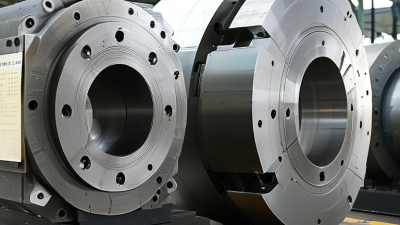
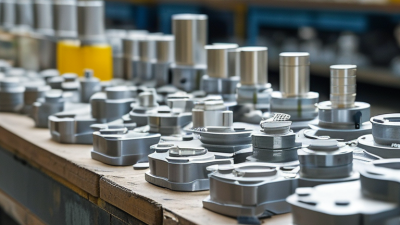
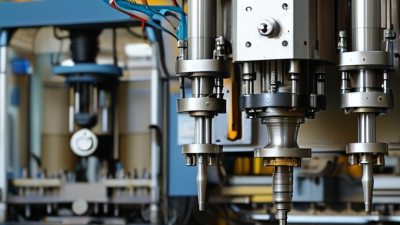
You might want to check out this Mold Making Equipment — it's super important across a bunch of industries like automotive, consumer goods, and medical devices. Did you know? According to MarketsandMarkets, the global mold-making market is expected to hit around $18.4 billion by 2025, growing at about 5.6% annually. That’s pretty significant and it really shows how much everyone’s craving more precise, customized manufacturing.
Figuring out the right Mold Making Equipment can be a bit of a head-scratcher, for sure. You’ve gotta think about things like what materials you'll be working with, how much you need to produce, and how fast each cycle is. Plus, tech keeps improving — newer, smarter, more accurate machines are popping up all the time. Big names like Mold-Masters and Hotline Engineering are rolling out some pretty cool solutions geared toward specific needs. But honestly, with so many options out there, it can get kinda overwhelming — even for the pros.
So, it’s really worth taking the time to dig into your options and check out different suppliers. Not all equipment out there is top-notch, even if many companies claim theirs is the best. Reading reviews and case studies can give you a much better idea of what’s really out there and what works in real-world situations. Bottom line? Making a smart choice about your Mold Making Equipment means doing your homework, thinking about both where you are now and where you want to go in the future. It’s all about finding what fits your needs — not just the shiny stuff that looks good on paper.
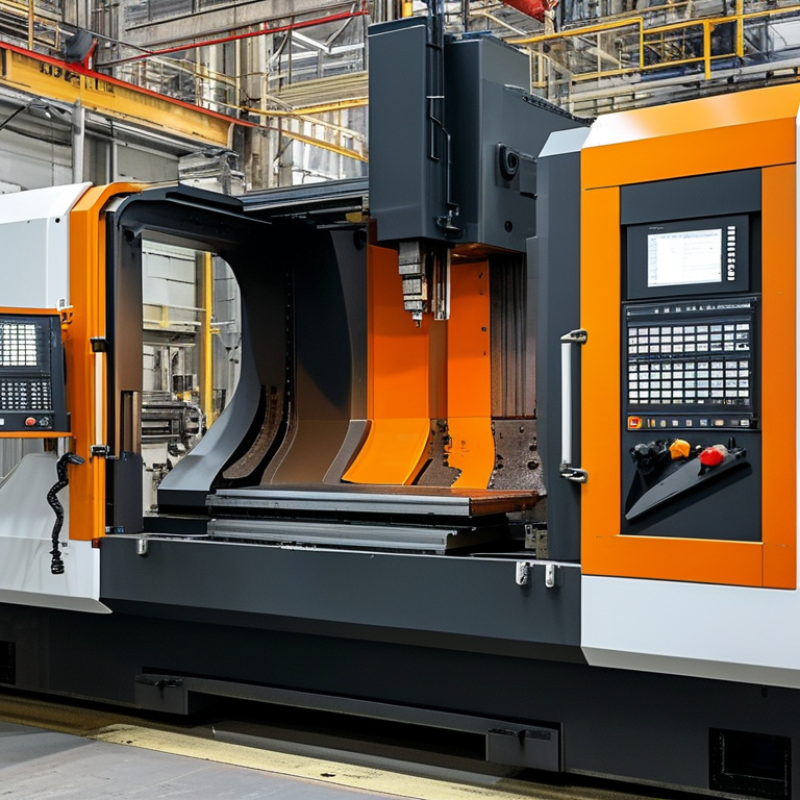
What is Mold Making Equipment?
Mold making equipment plays a pivotal role in various manufacturing processes. This equipment is essential for producing molds that shape materials into desired forms. Industries like automotive and electronics heavily rely on this technology. According to a report from Research and Markets, the global mold market is expected to grow by 5.4% annually over the next five years. Such growth indicates an increasing demand for high-quality mold equipment.
Choosing the right mold equipment is crucial. When selecting, consider factors like precision, durability, and operational costs. Precision is essential to ensure products meet quality standards. Using advanced materials often enhances durability, extending the equipment's lifespan. However, investing in high-end mold equipment requires careful budgeting and analysis.
Tip: Evaluate your production scale before purchasing. Smaller operations might not need extensive capabilities. Start with a reliable and user-friendly model.
It's important to acknowledge that not all mold making equipment is created equal. Some may have drawbacks such as maintenance challenges or inefficiencies in energy use. Regularly assessing equipment performance can help in making informed upgrades and avoiding costly setbacks.
Tip: Keep an open line of communication with industry experts. Their insights can guide your decision-making process. Stay informed about technological advancements and trends in the Mould Equipment field for a competitive edge.
Types of Mold Making Equipment Available
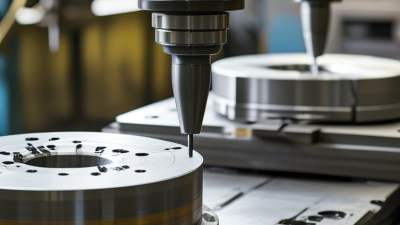
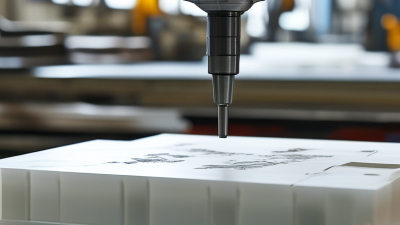
Mold making equipment encompasses various tools and machines used in creating molds. Understanding the types available is crucial for efficiency and product quality. Common equipment includes injection molding machines, CNC milling machines, and 3D printers. Each type serves distinct purposes. For instance, injection molding is ideal for mass production, while CNC milling offers precision for intricate designs.
In recent industry reports, it was noted that the global injection molding machine market will grow by 5.2% annually until 2028. This uptick highlights the demand for quality equipment. However, selecting the right machine can be challenging. Potential buyers often overlook the importance of technical specifications and their production needs. Not all machines are suitable for every project, leading to potential inefficiencies.
3D printing has also emerged as a game-changer. It allows for rapid prototyping and customization. However, not all materials are compatible with these printers. This limitation can affect design choices. Understanding these nuances is vital. Ultimately, making informed choices will enhance the mold production process, increasing both efficiency and quality in manufacturing.
Key Features to Consider in Mold Making Equipment
When selecting mold making equipment, several critical features demand attention. Precision is paramount in this process. According to industry reports, a 0.01 mm variation in mold dimensions can lead to significant defects in the final product. Thus, investing in equipment with high tolerances can prevent costly errors and improve overall efficiency.
Another important factor is the materials compatibility of your Molding Equipment. Common materials such as thermoplastics and thermosets require different approaches. Firms utilizing advanced thermoplastics noted a 20% increase in production speed with the right materials combination. This demonstrates that choosing suitable equipment directly enhances productivity and minimizes waste.
Furthermore, automation capabilities should not be overlooked. Automated molding equipment can dramatically reduce labor costs and improve consistency. Research indicates that automation can lead to a 30% reduction in cycle times. However, there is a learning curve associated with implementing new technology, which requires proper training and adaptation. Business leaders need to weigh the upfront investments against long-term gains, reflecting on the evolving needs of their operations.
How to Assess Your Mold Making Needs
Assessing your mold making needs is crucial for selecting the right equipment. Start by determining the type of products you want to produce. Are they small or large? Complex or simple? Identifying these factors will guide you in choosing appropriate mold making equipment. You’ll need to evaluate your production volume too. High volume often requires more robust and efficient
Plastic Equipment.
Next, consider the materials you’ll work with. Different materials have different requirements. Some plastic equipment may be better suited for certain materials than others. Researching these details can prevent costly mistakes down the line.
Lastly, your budget is a significant factor. High-quality mold making equipment can be expensive. However, investing in durable machinery may save you money in repairs later. Remember to balance cost against the equipment's reliability and the quality of the final product. It's essential to weigh pros and cons. This reflection can help you avoid regrettable decisions in the future.
Comparing Popular Brands of Mold Making Equipment
When choosing mold making equipment, several factors matter. Popular brands often distinguish themselves with features, reliability, and customer support. Look for brands with a strong reputation in the industry. They typically offer better warranties and after-sales service. This can save you time and hassle down the line.
Tips: Always read reviews and testimonials. User experiences can shed light on pros and cons. Comparing product specifications helps too. Focus on durability and ease of use.
Some brands may excel in innovation but fall short in accessibility. It’s essential to balance cutting-edge technology with practical usability. Gather information from multiple sources. This ensures a well-rounded perspective before purchasing.
Remember, what works for one project may not fit another. There’s no one-size-fits-all solution in mold making. Evaluate your needs carefully. Understanding your workflow can guide you to the best choice.
Budgeting for Mold Making Equipment Purchases
When budgeting for mold making equipment, it's crucial to consider several factors. The initial investment can be significant, but understanding your needs can help streamline costs. Start by analyzing your production volume and the complexity of molds you require. Simple designs may need basic equipment, while intricate molds could demand advanced technology.
Evaluate both new and used equipment options. Used machines can be cost-effective, but ensure they meet quality standards and reliability. Inspecting equipment before purchase is essential. Look for warranties or after-sales support, as this can influence long-term costs.
Many overlook maintenance costs. Regular servicing ensures longevity but adds to expenses. Allocate a portion of your budget for repairs and upgrades. Factor in training for operators, as proficient users maximize equipment efficiency. Balancing upfront costs with future needs is essential. Adjusting your budget as you gain experience will help refine your approach to mold making equipment.
Maintenance Tips for Mold Making Equipment
Mold making equipment is vital for the manufacturing industry. Regular maintenance ensures longevity and performance. Reports indicate that businesses can reduce downtime by 30% with proactive maintenance routines.
One essential tip is to keep your molds clean. Dirt and debris can lead to imperfections in the final product. Furthermore, over 50% of mold-related issues stem from inadequate lubrication. Ensure that all moving parts receive the appropriate lubricant. This simple step can enhance operational efficiency significantly.
Inspecting electrical components is crucial too. Many experts recommend quarterly checks. Faulty electronics can cause unexpected failures. Implementing a checklist can help track maintenance. However, not every company prioritizes this. The consequences can be costly. Investing in training for staff is necessary. A well-informed team can manage mold making equipment more effectively.
FAQS
: Precision affects product quality. A 0.01 mm deviation can cause significant defects. Investing in high-tolerance equipment is crucial.
Proper equipment for thermoplastics improves production speed by 20%. Choosing the right materials enhances productivity and reduces waste.
Automation cuts labor costs and improves consistency. It can reduce cycle times by 30%, but training is necessary for proper use.
User reviews provide insights on pros and cons. They help evaluate features and reliability, aiding informed decisions.
Used equipment can save costs. Ensure it meets quality standards. Inspection before purchase is vital for reliability.
Maintenance and training are important. Allocate a budget for repairs to ensure equipment longevity and efficiency in use.
No, each project varies. What works for one may not suit another. Understanding your unique workflow guides better choices.
A clear budget based on production needs helps manage costs. Adjusting your budget as you gain experience is important for future needs.
Brands differ in reliability and support. Choose one with good customer service and warranty options to save time later.
Consider both current and future needs. Make choices that align with your production volume and project complexity.
Conclusion
Mold Making Equipment is essential for creating precise molds used in various manufacturing processes. This equipment comes in different types, including injection molding machines, CNC milling machines, and 3D printers, each serving unique purposes in mold production. When selecting the best mold making equipment, it is crucial to consider key features such as durability, precision, ease of use, and maintenance requirements to ensure optimal performance in line with your specific needs.
Assessing your mold making requirements involves understanding the type of molds you intend to produce and the volume of production expected. Budgeting is also critical, as quality equipment typically requires a significant investment. Regular maintenance tips for mold making equipment can help extend its lifespan and enhance its efficiency, ensuring your operation runs smoothly. By evaluating popular brands and making an informed decision, you can find the right equipment that meets your production goals effectively.
 86-13511478976
 Contact Phone
 Contact Email