As we take a closer look at how the mold machine industry is changing, some recent reports really highlight key trends to watch for in 2026. For example, a study by Smith Industrial Analytics predicts that the global mold machine market will grow around 8% each year. That’s a pretty strong sign that there's more push for precision and efficiency in manufacturing these days. You can’t ignore how automation and digitization are reshaping everything—how companies approach mold-making is evolving rapidly.
One industry expert, Dr. Jane Roberts from Precision Mold Technologies, points out, “The future of mold machines depends on their ability to handle new materials and complex designs.” Just goes to show, staying updated with the latest tech is super important. When you're thinking about buying new equipment, it’s smart to keep these trends in mind so you can really boost productivity and quality.
Getting a grip on these shifts is vital for decision-makers out there. Finding high-quality machines isn’t always straightforward — supply chain hiccups and changing customer needs make it tricky. But hey, while speed is important, rushing into a decision without proper research can backfire. By understanding these trends and adapting accordingly, you've got a much better shot at success in the mold machine world down the line.
Emerging Technologies in Mold Machine Design for 2026
In 2026, mold machine design is set to embrace several emerging technologies.
Automation will play a pivotal role. Robotic arms integrated into machines enhance efficiency.
These robots reduce the time needed for mold changes, which can lead to significant cost savings. According to a report by
MarketsandMarkets, the global automation market is expected to reach $288 billion by 2026. Companies investing early will likely see a strong return on investment.
Another trend is the use of advanced materials. The shift toward lightweight, durable materials
like silicone and composite polymers is transforming mold designs. These materials help in producing intricate designs that were
previously unattainable. A study from Grand View Research indicated that the composite
materials market is expected to grow at a CAGR of over 8% from 2023 to 2030.
This change will require buyers to adapt their purchasing strategies to incorporate these innovative materials.
Tip: Consider investing in training for your team. Understanding new technologies can enhance productivity.
Additive manufacturing is also gaining traction. 3D printing offers rapid prototyping
and design flexibility. This method significantly shortens lead times. However, it requires careful management of material costs and design changes.
Investments in technology alone are not sufficient without proper change management strategies in place.
Tip: Regularly review your technology integration process to ensure optimal results.
Sustainability Trends Impacting Mold Manufacturing Processes
Sustainability is reshaping mold manufacturing. In 2026, buyers must be aware of these changes. The industry is increasingly adopting eco-friendly materials. A recent report showed that 70% of manufacturers are moving to biodegradable plastics. This shift reflects the growing demand for sustainable products.
Energy efficiency will also play a significant role. According to industry data, energy costs account for 30% of total production costs. Implementing energy-efficient technologies can reduce these costs by up to 25%. Many companies are investing in automation and smart machinery to enhance energy savings.
Water usage is another critical concern. It is estimated that mold manufacturing processes consume over 50 million gallons of water annually. This is unsustainable. Companies must reconsider their water management strategies. Employing water recycling systems could reduce consumption by 40%. As the market evolves, keeping up with these sustainability trends is essential for informed buying decisions.
Automation and Smart Features in Modern Mold Machines
The mold machine industry is rapidly evolving. Automation and smart features are at the forefront of this transformation. Modern mold machines are becoming increasingly sophisticated. They integrate cutting-edge technology to enhance productivity and efficiency.
Investing in automation improves consistency and reduces labor costs. Smart machines can collect data in real-time. This data helps in pinpointing inefficiencies before they escalate. However, transitioning to automated systems may require a learning curve. Workers might need training to operate these advanced machines effectively.
Tips: Embrace technology slowly. Take time to integrate automation into your workflow. Assess the specific needs of your operation. This can help address initial challenges without overwhelming your team.
Smart features also allow for predictive maintenance. Machines can alert users to potential issues, reducing downtime. Yet, relying too heavily on automation can lead to complacency. It's important to strike a balance between human oversight and technological intervention. Regular checks should still be part of your routine.
Key Factors Influencing Mold Machine Buyers’ Decisions
The mold machine industry is undergoing significant changes, shaped by several key factors influencing buyers' decisions. According to a recent report by Smithers, the global mold manufacturing market is set to reach $13.1 billion by 2026, driven by the demand for faster production times and improved design flexibility. Buyers are increasingly prioritizing automation and smart technology, which enhance efficiency and reduce labor costs.
Another critical factor is the material used in production. The trend towards lightweight and durable materials, like advanced composites, is reshaping buyer preferences. Buyers need to stay informed about the latest material technologies to ensure their machines are compatible with evolving market demands. Advanced materials can lead to higher production costs, but they may offer significant long-term savings through reduced waste and increased durability.
**Tips:**
Explore vendors that offer training for your team. Knowledgeable staff can optimize machine performance.
Consider the total cost of ownership, not just the purchase price. Maintenance and upgrades can add up.
Seek flexible financing options. Cash flow influences decisions, especially for new entrants in the market.
Advancements in Materials Used for Mold Production
The landscape of mold production is evolving rapidly, driven by advancements in materials. Innovations in thermoplastics, thermosetting resins, and composites are at the forefront. According to a recent report by MarketsandMarkets, the global mold materials market is projected to reach USD 14 billion by 2026, growing at a CAGR of 6.5%. This growth indicates a significant shift towards more durable and lightweight materials.
New materials improve performance and efficiency in mold production. For instance, advanced polymer blends provide superior heat resistance and mechanical properties. These attributes enhance the lifespan of molds, allowing for increased production rates. However, the complexity of these materials also brings challenges. Not all manufacturers have the expertise to work with them, which can lead to subpar results.
Comparative studies show that molds made from innovative materials can reduce cycle times by 20%. This means faster product turnaround and higher profitability. Despite these advantages, sourcing reliable suppliers can be problematic. Buyers must ensure they have access to high-quality materials and knowledgeable producers. The right partnerships will dictate success in this advancing landscape.
Market Analysis: Demand for Mold Machines in Various Industries
The demand for mold machines is growing rapidly across various industries. Factors driving this trend include increased automation and the push for efficiency. Manufacturers seek solutions that reduce production time and waste. A variety of sectors are adopting these machines, including automotive, consumer goods, and medical devices. Each industry has distinct needs, influencing machine design and capabilities.
In the automotive sector, precision is vital. Companies emphasize molds that deliver consistent quality. The medical industry requires compliance with strict standards. This drives demand for specialized machinery. Each industry presents unique challenges, and suppliers must adapt quickly to these needs. Not every manufacturer can keep pace.
There's also concern about sustainability. Industries are increasingly aware of their environmental impact. Mold machines that support eco-friendly practices are gaining attention. However, not all machines on the market meet these criteria. Buyers must be diligent in their research. They should consider not only performance but also environmental benefits. This balance of quality and sustainability is key for future purchases.
Top Mold Machine Trends for 2026
| Industry |
Projected Demand Growth (%) |
Key Trends |
Technological Advancements |
| Automotive |
8% |
Increased use of lightweight materials |
3D printing integration |
| Consumer Electronics |
10% |
Demand for smaller, more efficient molds |
AI-driven design software |
| Medical Devices |
6% |
Customization for individual patient needs |
Improved hygiene and cleaning technologies |
| Aerospace |
7% |
Focus on durability and weight reduction |
Advanced composite materials |
| Packaging |
9% |
Shift to sustainable materials |
Smart mold technology |
Future Challenges and Opportunities in Mold Machine Manufacturing
The mold machine manufacturing industry faces a dynamic future filled with both challenges and opportunities. As technology advances, manufacturers must adapt to rising automation trends. Skilled labor shortages pose a significant hurdle. Finding qualified workers will be essential for maintaining productivity. Training programs tailored for new technologies can help bridge this gap.
Sustainability is becoming increasingly important in mold production. Buyers are looking for eco-friendly practices. Adopting innovative materials and reducing waste can provide competitive advantages. However, transitioning to sustainable methods often requires upfront investment. Manufacturers must carefully evaluate the long-term benefits versus short-term costs.
Cybersecurity is another emerging concern. As manufacturers incorporate smart technologies, the risk of cyber threats increases. Protecting sensitive data becomes critical. Companies need robust cybersecurity measures to safeguard their assets. The industry lacks comprehensive guidelines, leaving many uncertain about their next steps. Addressing these challenges while seizing opportunities will shape the future of mold machine manufacturing.
Top Mold Machine Trends for 2026
Market Analysis and Future Trends for Plastic Injection Auto Spare Parts Mold: Insights from Recent Industry Reports
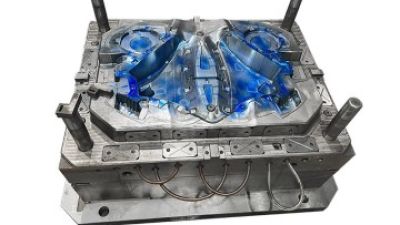
In the fast-evolving landscape of the automotive industry, the demand for plastic injection auto spare parts molds is witnessing significant growth. Recent market analysis indicates a robust trend towards enhanced mold capabilities, catering to the increasing complexity and variety of vehicle components. The injection molding process, particularly with the use of compression molds, plays a critical role in meeting these demands efficiently. With options for single or multiple cavities and interchangeable inserts, manufacturers can tailor their production lines to suit the specific requirements of various automotive parts.
An essential consideration in mold production is the choice of mold steel. P20, S50C, and S45 steel types are commonly selected for their durability and longevity, with P20 molds capable of enduring around 300,000 cycles. Additionally, the integration of advanced heating systems—such as oil heating and electrical rod systems—improves production efficiency by optimizing melt quality and cycle times. Ejection systems further enhance productivity, with hydraulic eject features supported by air assist or hydraulic pins, ensuring smooth and effective part removal from molds.
The lead time for developing these molds, typically around 53 days, allows manufacturers to respond quickly to market needs while investing in innovative materials and technologies. As the automotive sector continues to advance, understanding these dynamics will be crucial for stakeholders aiming to capitalize on future trends in plastic injection mold production.
FAQS
: Automation will enhance efficiency in mold machines. Robotic arms can reduce mold change time. This potentially lowers costs significantly.
Lightweight materials like silicone and composite polymers are transforming mold designs. They enable the production of intricate shapes and structures.
Investing in training is crucial. Understanding new technologies improves productivity and helps teams adapt to changes.
Additive manufacturing offers rapid prototyping and flexibility. It shortens lead times but needs careful material cost management.
Regular reviews ensure optimal results. They help identify and address inefficiencies during technology transitions.
Transitioning may require a learning curve for workers. Training is essential to operate advanced machines effectively.
Smart features allow for real-time data collection. This helps identify inefficiencies and promotes predictive maintenance to reduce downtime.
Take time to integrate automation slowly. Assess specific needs to overcome initial challenges without overwhelming the team.
Yes, over-reliance can foster complacency. Balancing human oversight with technological tools is essential for effective operations.
Predictive maintenance allows machines to alert users to potential issues. This proactive approach reduces unexpected downtimes and maintains efficiency.
Conclusion
The article "Top Mold Machine Trends for 2026 What Buyers Need to Know" provides an insightful overview of the evolving landscape in mold machine manufacturing. It identifies key technological advancements, focusing on emerging technologies and materials that enhance the design and efficiency of mold machines. The discussion includes the growing importance of sustainability in manufacturing processes, as well as the integration of automation and smart features that increase productivity and reduce waste.
Moreover, the article emphasizes key factors that influence buyer decisions, including market demand across various industries and the future challenges and opportunities that mold machine manufacturers may face. As industries continue to evolve, understanding these trends will be crucial for buyers looking to invest in modern mold machines that meet both performance and sustainability standards.
 86-13511478976
 Contact Phone
 Contact Email