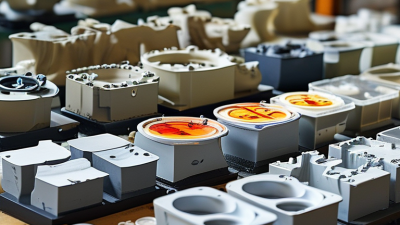
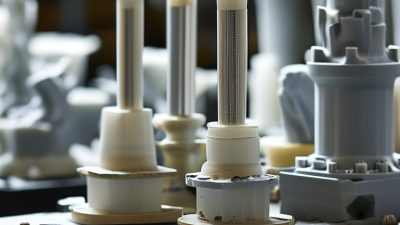
In the world of manufacturing, precision really isn’t something you can take lightly. That’s where the Mold Cutting Machine comes into play. It’s actually pretty central when it comes to shaping materials accurately. Loads of industries depend on it to craft detailed molds—and honestly, it takes some pretty advanced tech and really skilled operators to get it right.
Getting to know how this machine works can actually help businesses run things a bit more smoothly. Basically, it uses cutting tools to carve out specific shapes from different kinds of materials. The quality of these molds is a big deal because it directly impacts how well the final product performs. So, it’s not just about the machine — having skilled operators is just as important.
That said, there are definitely some challenges that come with mold cutting tech. Things like tool wear and choosing the right materials can really throw a wrench in the works. When companies take a moment to think about these issues, they can find ways to improve their processes. At the end of the day, when used right, the Mold Cutting Machine can be a total game-changer—and honestly, a real asset.
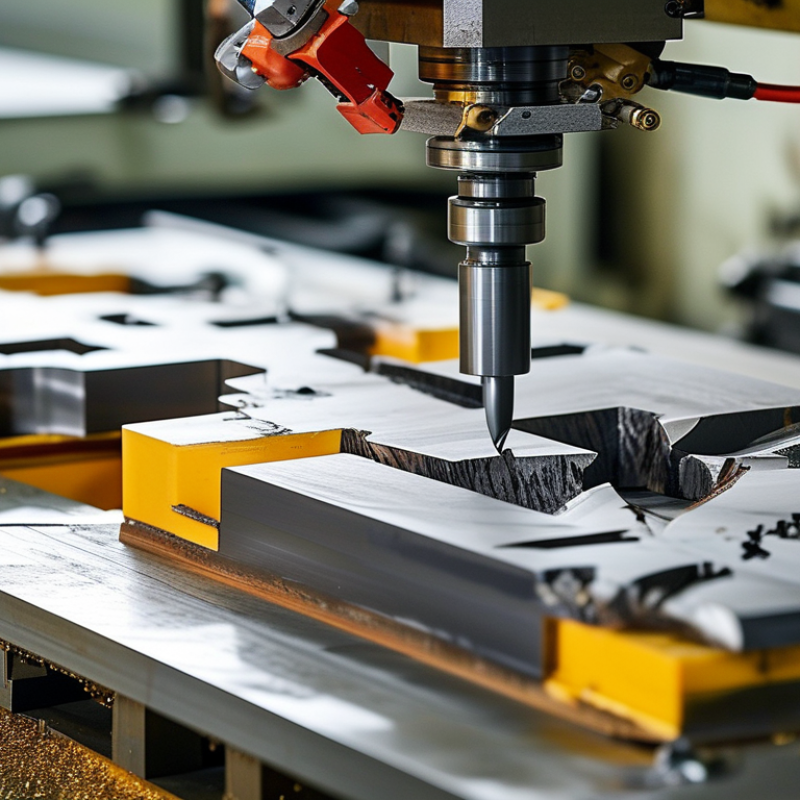
What is a Mold Cutting Machine?
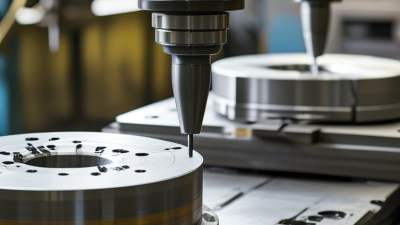
A mold cutting machine is a specialized tool used in various manufacturing processes. It plays a crucial role in the production of molds, which are essential for shaping materials like metals and plastics. Typically, these machines utilize high-speed cutting tools to create precise shapes. This precision is vital for ensuring that the final products meet specific standards and requirements.
The operation of a mold cutting machine involves several key components. The main part is the cutting tool, which is guided by a programmed software system. This allows for intricate designs and patterns to be achieved. Additionally, cooling systems are often integrated to prevent overheating during operation. However, challenges can arise, such as tool wear and the need for regular maintenance. Users must remain vigilant about these issues to maintain the machine’s efficiency and reliability.
Mold Machines can vary widely in size and complexity. Smaller machines may be suitable for prototypes, while larger models are used for mass production. Understanding these differences is crucial for selecting the right equipment for the task. Without proper knowledge of mold cutting machines, users may encounter hiring mistakes or inefficient processes. It's vital to invest time in learning how to operate these machines effectively.
Key Components of a Mold Cutting Machine
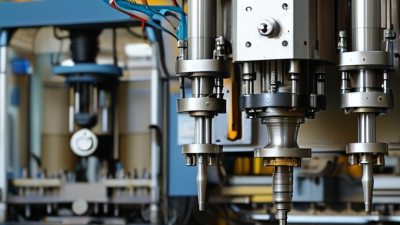
A mold cutting machine is essential in the manufacturing sector. This machine uses various key components to produce precise mold cuts. One of the most critical components is the cutting tool, which varies in design based on material and application. Studies show that a high-quality cutting tool can enhance efficiency by up to 30%.
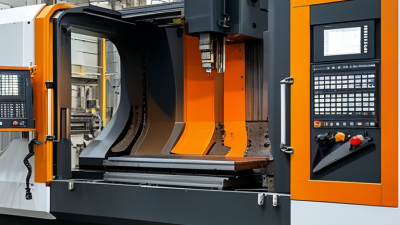
Another vital aspect is the hydraulic system, which powers the cutting actions. The hydraulic pressure must be optimized to ensure the machine performs reliably. Reports indicate that improper hydraulic settings can lead to tool wear and affect the integrity of the molds. Regular maintenance of the hydraulic system is essential to avoid unexpected downtimes. Additionally, the machine's control system plays a significant role in its precision. Modern machines employ advanced CNC technology to achieve high accuracy levels.
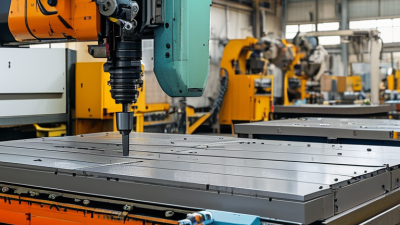
Lastly, the operational table is crucial. It holds the mold firmly in place during the cutting process. An unstable table can result in inaccuracies. For manufacturers of Injection Machine Molds, the significance of each component cannot be overstated. Quality assurance in component selection leads to better outputs and lower costs in the long run. Understanding these elements is essential for anyone involved in the mold manufacturing process.
The Working Mechanism of Mold Cutting Machines
Mold cutting machines play a crucial role in the manufacturing sector. Their primary function is to shape and cut materials to create molds for various applications. Understanding the working mechanism of these machines helps optimize their performance. A mold cutting machine typically operates through a series of precise movements and complex engineering designs.
These machines use sharp cutting tools to remove material from a workpiece. The cutting process involves rotating components and programmable controls for accuracy. Many machines employ CNC technology, allowing operators to program intricate designs. This precision enhances the efficiency and reliability of mold production. Users often find it challenging to manage the delicate balance between speed and quality.
Even with advanced technology, issues can arise. For instance, tool wear can affect the cutting process. Regular maintenance is essential to avoid downtime. Operators should keep a close eye on performance metrics. This way, potential problems can be identified early. Investing time in understanding these factors can lead to better outcomes. Ultimately, a well-maintained mold cutting machine is invaluable in the industrial landscape.
Types of Mold Cutting Machines Available
Mold cutting machines are essential tools in various industries, particularly in manufacturing and production. The types of mold cutting machines available today can significantly impact efficiency, precision, and manufacturing volumes. Two popular types are CNC (Computer Numerical Control) machines and EDM (Electrical Discharge Machining) machines.
CNC machines use computerized controls to execute precise cuts. According to a recent industry analysis, the CNC market is projected to grow at a CAGR of 7.1% through 2026. This growth showcases their significant role in enhancing precision and productivity. EDM machines, on the other hand, use electrical discharges to shape hard metals, making them invaluable when dealing with intricate designs. Studies suggest that EDM processing achieves better surface finishes compared to traditional methods.
For anyone considering mold cutting machines, understanding the specifications is crucial. Consider the materials you typically work with. Different machines perform better with specific materials. Moreover, regular maintenance can prolong the lifespan of your equipment. It’s recommended to keep a maintenance log to track any issues. Investing in proper training for operators is equally important. Well-trained personnel can maximize the machine's efficiency and minimize errors, leading to better outputs and reduced waste.
Applications of Mold Cutting Machines in Industry
Mold cutting machines play a vital role in various industries like automotive, aerospace, and plastic manufacturing. These machines precisely shape and cut materials to create molds, which are essential for mass production. In automotive manufacturing, they help form parts that meet stringent quality standards. Without these machines, crafting detailed parts would be very challenging.
In the aerospace sector, mold cutting machines ensure components are lightweight yet strong. The advanced technology used generates intricate designs, reducing material waste. However, the reliability of these machines can sometimes be influenced by maintenance practices. Regular upkeep is crucial, as neglect might lead to inaccuracies. This can affect production schedules and increase costs.
Mold cutting machines are also key in producing consumer goods. They help create precise molds for toys and household items, aligning with safety and quality benchmarks. Yet, the rapid advancement in this technology raises questions about skills and training for operators. As machines evolve, so must the workforce to adapt to new challenges and innovations.
Maintenance and Safety Guidelines for Users
Mold cutting machines are crucial in the manufacturing sector. However, user safety and proper maintenance are paramount. According to a recent industry report, improper use of machinery leads to nearly 30% of workplace injuries. This highlights the need for stringent safety practices.
Users should always wear appropriate personal protective equipment (PPE). Ear protection, gloves, and safety glasses are essential. Regular maintenance can significantly reduce the risk of accidents. According to statistics, machines that undergo routine maintenance have a 22% lower failure rate. Keeping the Injection Molding Machine Mold in optimal condition can prevent unexpected downtime.
Moreover, understanding the operating manual is vital. Many users overlook important guidelines that ensure safe usage. Regular training sessions can help staff stay updated on safety protocols. This proactive approach could prevent up to 40% of machine-related incidents. Engaging in ongoing education fosters a culture of safety and responsibility among users.
Future Trends in Mold Cutting Technology
Mold cutting technology is evolving rapidly. As industries prioritize efficiency, innovative techniques are being implemented. According to a report by Market Research Future, the global mold cutting machine market is projected to grow at a CAGR of 6.5% from 2021 to 2028. This growth indicates a shift towards more automated and precise cutting solutions.
One significant development is the integration of artificial intelligence. AI-driven mold cutting machines enhance precision and reduce error rates. A recent analysis highlighted that these machines can improve production efficiency by up to 30%. Moreover, advancements in software have enabled better simulation of cutting processes, allowing engineers to visualize and iterate designs before production. However, there are still challenges to address, such as the steep learning curve for operators and the necessity of regular maintenance to prevent downtime.
Sustainability is another driving force in mold cutting technology. Companies are focusing on eco-friendly practices. A study shows that adopting sustainable materials in mold making could reduce environmental impact by 25%. Yet, the transition to greener alternatives requires significant investment and commitment from manufacturers. As the industry progresses, balancing innovation with practicality will remain crucial for long-term success.
Mold Cutting Machine Efficiency Over Time
FAQS
: The cutting tool is essential for precise mold cuts. Its design varies based on material and application.
The hydraulic system powers cutting actions. Proper pressure optimization is crucial to avoid tool wear and downtime.
Routine maintenance reduces accident risks and machine failure rates, ensuring better performance and longevity.
Users need ear protection, gloves, and safety glasses to ensure their safety while operating the machine.
Knowing the manual promotes safer usage. Many users miss crucial guidelines that can prevent accidents.
The market is shifting towards automation and AI, enhancing precision and efficiency in mold cutting processes.
AI-driven machines reduce error rates and can boost production efficiency by up to 30%.
Operators face a steep learning curve, and regular maintenance is necessary to avoid unexpected downtimes.
Companies are focusing on eco-friendly materials, which could reduce environmental impact but require investment.
Significant investment and commitment are needed from manufacturers to effectively implement greener practices.
Conclusion
A Mold Cutting Machine is a specialized tool designed for precision cutting and shaping of molds used in various industrial applications. Key components of these machines typically include powerful cutting heads, advanced control systems, and robust frameworks that support the entire cutting process. The working mechanism involves intricate operations that utilize various cutting techniques to achieve desired mold shapes.
Mold Cutting Machines come in several types, tailored for specific materials and mold designs, making them essential in industries such as automotive, aerospace, and electronics. Proper maintenance and adherence to safety guidelines are crucial for users to ensure longevity and operational efficiency. Looking ahead, the future of mold cutting technology is likely to see advancements in automation and smart technologies, enhancing performance and precision in mold manufacturing.
 86-13511478976
 Contact Phone
 Contact Email