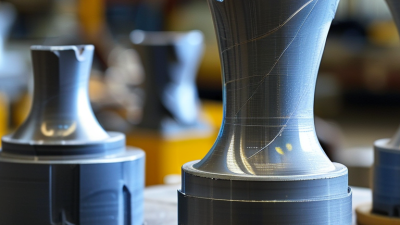
Picking the right mould materials for your project really can make a big difference in the final product’s quality. You’ve got options like metals, plastics, and composites, each with their own perks and quirks. For example, aluminum is pretty lightweight but still strong, while steel is super tough. Knowing what sets these apart is key to getting the best results.
Honestly, experience helps a lot when it comes to choosing the right mould material. Industry folks usually recommend thinking about what your project needs, your budget, and how many units you're planning to produce. But, sometimes people forget to consider the bigger picture—you know, the long-term stuff. Like, is that material sustainable? Will it handle those high temperatures and pressures without giving up?
You’ll also want to work with reliable suppliers, like TechMould Supply Co., who can give you the latest scoop and guidance. They can really help you figure out what’s best for your specific project. Just don’t take their word for it blindly—make sure their suggestions line up with your goals. Picking the right mould material isn’t always straightforward, but finding the perfect fit is totally worth it for that top-quality finish.
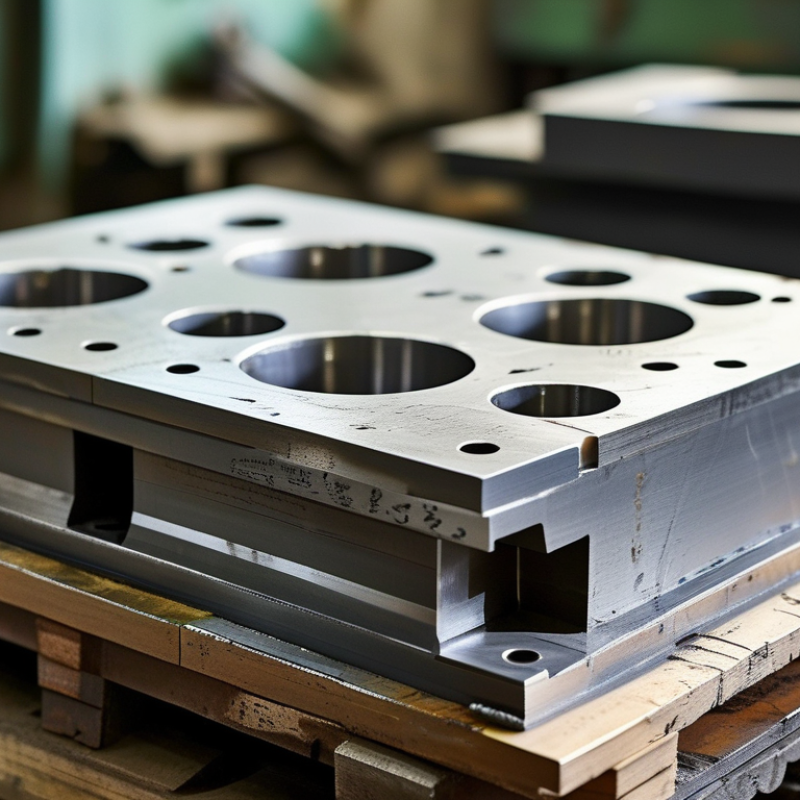
Understanding the Different Types of Mould Materials Available
Choosing the right mould materials is crucial for successful projects. Various types of mould materials serve different purposes. Common options include silicone, polyurethane, and plaster. Each material has unique properties that influence the outcome of your work. Silicone is flexible and durable, making it ideal for intricate designs. Polyurethane offers strength and resistance, while plaster is often used for simpler tasks.
Understanding these differences is essential. Silicone, for example, can be expensive but is reusable. Polyurethane is more affordable but may not capture fine details as well. Plaster is easy to work with, yet it may not withstand heavy use. The choice often depends on the project scale and design complexity.
It’s also important to consider the environment in which the mould will be used. High temperatures can affect some materials, while moisture can damage others. Testing different Mould Making Materials may reveal unexpected results. Reflecting on these factors ensures a better fit for your specific needs. Experimenting with various options can lead to insights, enhancing your mould-making skills over time.
Evaluating the Properties of Common Mould Materials
Selecting the right mould materials is crucial for project success. Different materials have unique properties that influence both the design and the final product quality. For example, thermoplastics are commonly used due to their excellent flexibility and easy processing. Reports indicate that about 45% of manufacturers favor thermoplastics for their moulds due to cost-effectiveness and adaptability.
In contrast, metals such as aluminum and steel are preferred for their strength and longevity. Aluminum moulds can last over 50,000 cycles, while steel can exceed 1 million. This longevity is critical in high-volume production, where durability is a concern. However, these metal options can be more expensive and require longer lead times for production. The choice between materials often reflects a trade-off between cost and structural integrity.
Another aspect to consider is thermal conductivity. Polymers have lower thermal conductivity compared to metals. This can impact how quickly a mould cools after processing, affecting cycle times. It's reported that slower cooling leads to longer production times, which could increase costs. Manufacturers must weigh these factors carefully to choose the best material, focusing on the specific requirements of each unique project.
Factors to Consider When Choosing Mould Materials for Projects
Choosing the right mould materials requires careful consideration of various factors. One essential aspect is the type of project. Different applications demand unique properties. For instance, high-temperature applications need materials that can withstand heat without warping. You might find yourself exploring options like silicone or thermoplastics. Each has its advantages and drawbacks. Silicone is flexible but may not be suitable for detailed designs.
Another crucial factor is the required surface finish. Some projects need a smooth finish, while others can accommodate rough surfaces. The mould material can significantly influence this aspect. Pay close attention to the texture and finish required. A mismatch could ruin the final product. It may take experimenting with several materials to achieve the right result. Remember, the chosen material might affect the ease of demolding, which is often overlooked.
Cost is also a key consideration. Cheaper materials might seem attractive at first, but they can lead to failures. The long-term durability of the mould is vital. Investing in quality materials can save time and resources. Analyze the lifecycle of the mould. In the end, weighing these factors will lead you to a more informed decision.
Comparing Cost vs. Performance of Mould Materials
Choosing the right mould materials is crucial for successful project outcomes. Cost versus performance is a key factor in making this decision. Budget constraints often dictate material selection, but cheaper options may compromise quality. Durable materials raise expenses but can improve product longevity. This balance is not always straightforward.
Different mould materials exhibit distinct advantages and disadvantages. For instance, aluminum is lightweight and easy to machine. However, it may not withstand high temperatures well. Steel, while more durable, comes with higher initial costs. Evaluating the specific needs of your project can help clarify these trade-offs. Every choice carries potential risks. Being aware of these is essential.
It's important to analyze actual project requirements rather than solely relying on material performance data. Real-world applications often show discrepancies in expected results. Regular reviews of past projects can highlight these issues. Reflection on what went wrong helps refine future material choices. This approach fosters better decision-making in material selection.
Assessing Environmental Impact of Mould Material Choices
Choosing the right mould materials is vital. Mould materials significantly influence environmental impact, warranting careful consideration. Traditional options often rely on petroleum-based plastics, contributing to pollution. These materials take centuries to degrade, harming ecosystems. On the other hand, alternatives like bio-resins offer reduced ecological footprints. However, they are less well-known and require further exploration.
Many projects overlook the end-of-life phase of mould materials. Understanding disposal methods can lead to better choices. For instance, some bio-based polymers can compost but may not be as durable as synthetic options. Each choice carries consequences. We must critically assess our selections. Are we prioritizing short-term benefits over long-lasting sustainability? Our decisions shape future projects and influence environmental health.
Reflecting on our choices is essential. The lure of cheap and readily available mould materials can be tempting. However, the hidden costs to the environment are significant. Sustainable practices involve trade-offs. Implementing eco-friendly options often requires investment and commitment. Balancing cost, performance, and environmental impact is challenging yet necessary for a better future.
Tips for Sourcing Quality Mould Materials
When sourcing quality mould materials, understanding their properties is crucial. Each project may demand different characteristics from the materials. For instance, some projects require high durability, while others might prioritize flexibility. Look for suppliers who can provide detailed specifications and sample materials for testing. Engaging with reputable manufacturers can also give you insights into the material's performance in real-world applications.
Consider the environmental impact of your mould materials. Biodegradable options are becoming more popular. They can meet quality standards while also being eco-friendly. However, not all biodegradable materials perform equally. Research is necessary to compare longevity and functionality against traditional options.
Cost is another factor in sourcing Moulding Materials. Lower prices can be tempting, but quality often suffers. Some inexpensive types may not meet the durability you need. Evaluate your project requirements against the material's lifecycle. Investing in high-quality mould materials can save time and reduce waste in the long run. Aim for suppliers who demonstrate reliability and transparency in their sourcing processes.
Real-World Applications of Various Mould Materials
Choosing the right mould materials can greatly impact your project. Different applications require different properties. For example, thermoplastics such as polycarbonate are excellent for creating durable moulds. They withstand heat and pressure well and can produce precise designs.
Certain mould materials excel in specific scenarios. For heavy-duty applications, metals like aluminum provide strength and longevity. They resist deformation, ensuring consistent output. However, they can be expensive and might not be needed for all projects. On the other hand, for short-run productions, less costly plastic moulds are often sufficient.
Contemplating the lifespan of the mould is crucial. Some materials will show wear over time. This is especially true for Injection Materials exposed to high cyclic loads. Consider the balance between cost and required durability. Reflecting on your specific needs can guide you to the right choice.
FAQS
: The right mould material impacts project success and product quality.
Budget limits often affect choices, but lower costs can reduce quality.
Aluminum is lightweight and easy to machine but may not handle high temperatures well.
Reputable suppliers provide detailed specifications and insights into real-world performance.
Evaluate biodegradable options, but ensure they meet your project’s quality standards.
Specific project needs can dictate whether you prioritize durability or flexibility.
Yes, low-cost materials often lack necessary durability, impacting product longevity.
Analyzing previous experiences helps improve future material selection and decision-making.
Thermoplastics like polycarbonate are suitable, offering heat and pressure resistance.
Lower price often correlates with reduced quality and potential increased waste.
Conclusion
Choosing the right mould materials is crucial for the success of any project, as it directly affects the quality and efficiency of the final product. First, it's important to understand the different types of mould materials available, including metals, plastics, and elastomers, each with distinct properties and applications. Evaluating these materials involves assessing factors such as durability, heat resistance, and ease of processing.
When selecting mould materials, considerations like project requirements, budget constraints, and environmental impact play a vital role. Cost versus performance analysis is essential to ensure that the chosen materials deliver the desired results at a sustainable price. Additionally, sourcing quality mould materials is an important step that can influence performance and longevity. Ultimately, real-world applications demonstrate how the correct mould material choice can lead to successful project outcomes, making informed decision-making essential in the process.
 86-13511478976
 Contact Phone
 Contact Email