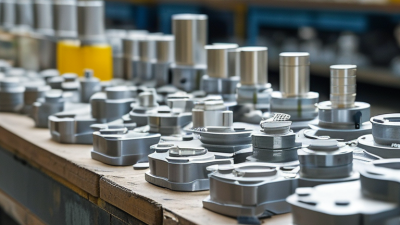
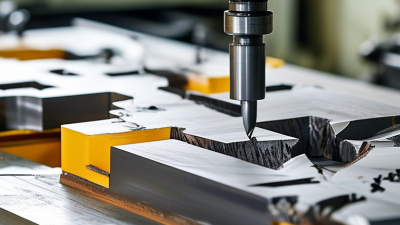
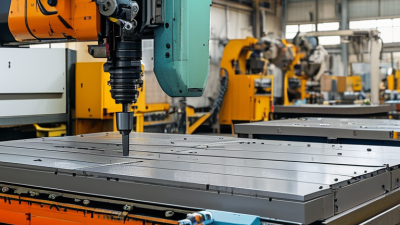
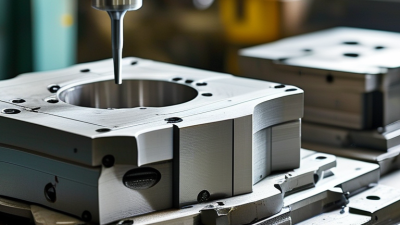
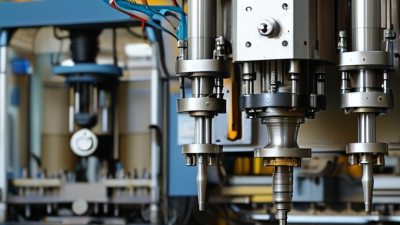
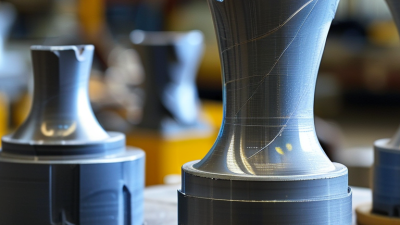
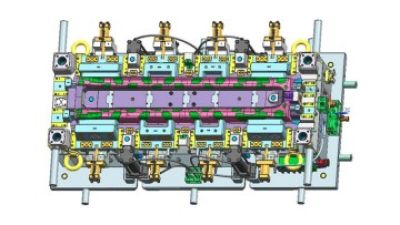
Choosing the best mold maker tools from China isn’t just about comparing prices on a website. Honestly, savvy global buyers know there’s a lot more to consider, like reliable cutting performance, consistent dimensions, and clear communication of technical details. I mean, sure, a tool might look shiny and perfect in a catalog, but if it doesn’t hold up after a few rounds of machining, that’s a problem — and that’s something you don’t want to overlook.
John Bozzelli, who founded Injection Molding Solutions, once said, “The mold is the heart of the injection molding process.” And honestly, he’s spot on. The tools you pick directly impact everything — from the accuracy of the cavities and surface finish to how long maintenance takes and ultimately, your production costs. For example, using the wrong end mill might leave annoying chatter marks inside the steel cavity, and relying on unreliable electrode materials could blow up EDM work by hours. Not ideal, right?
Most experienced buyers don’t just look at the specs. They also dig into the tool’s geometry, coating tech, hardness compatibility, and inspection reports. Plus, they want to know if their Chinese supplier can support CAD/CAM data, run sample tests, and help with replacements if needed. Big names like OSG China, YG-1 China, and Sandvik Coromant China might come to mind, but honestly, brand recognition isn’t everything. Every project is different, and what works for one might not work for another.
And here’s a tip: always ask for real proof. A serious supplier should be able to provide material certificates, dimensional reports, and realistic cutting parameters. And if you can, it’s always a good idea to get independent verification — don’t just take their word for it. Even seasoned teams can sometimes trust a spec sheet too much, which can be a risky move.
This guide aims to help you understand China’s mold maker tools market, especially if you’re buying from abroad. It covers key points like choosing the right tools, evaluating supplier reliability, their experience in production, and quality control. Now, I’m not here to promise perfect sourcing — honestly, nobody can guarantee that. But what I do hope is to give you a practical framework. By following these tips, you’ll be better equipped to make smarter, more confident decisions when tackling those complex mold projects.
Understanding Mold Maker Tools and Their Role in Manufacturing
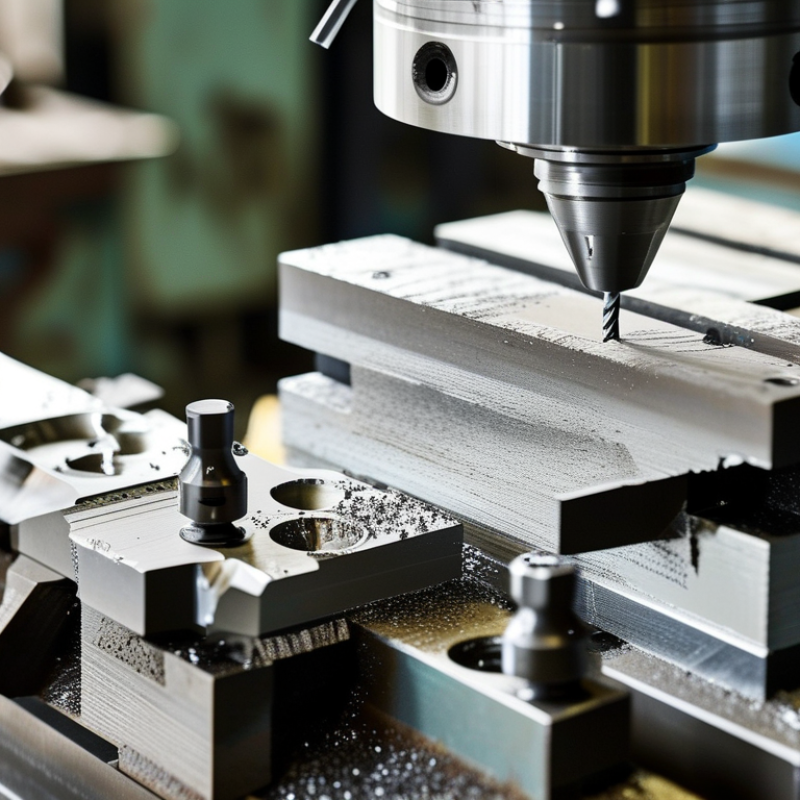
Mold maker tools turn digital designs into repeatable production parts. They include CNC machining centers, electrical discharge machines, precision grinders, polishing equipment, and coordinate measuring machines. Each tool controls a different risk: cutting accuracy, sharp corners, surface finish, or dimensional drift. A small mismatch around an ejector pin can create flash, sticking, or early mold failure.
Industry data shows why tool selection matters. Grand View Research valued the global injection molded plastics market at about USD 387 billion in 2023, with continued growth expected through 2030. Higher production volumes demand stable cycle times and consistent cavity dimensions. The International Federation of Robotics also reported more than 540,000 industrial robots installed worldwide in 2023. Automation increases the need for molds that fit precise, repeatable processes. China’s mold makers often combine multi-axis machining, EDM, mold-flow analysis, and inspection records to support overseas buyers.
The uncomfortable part is simple: low tool prices can hide later costs. A reliable supplier should provide steel certificates, process tolerances, trial-shot data, and measurable inspection results. ISO 9001-based quality systems help, but certification alone proves little without production evidence. Ask how the shop checks cooling channels and repairs electrode wear. Ask for actual sampling reports. Not polished promises. From practical sourcing experience, buyers should also review maintenance access and spare-part availability. I still find this step underestimated. A technically excellent mold can become expensive when operators cannot service it quickly.
Key Types of Mold Making Tools Available from China
China Best Mold Maker Tools for Global Buyers
China’s mold-making supply chain covers more than cutting machines. Common options include CNC machining centers, high-speed milling machines, electrical discharge machines, wire EDM systems, and precision grinders. CNC milling shapes steel blocks and mold bases, while EDM creates sharp ribs, deep cavities, and narrow venting features. Wire EDM is useful for hardened inserts and complex profiles. According to Grand View Research’s 2024 CNC machine tools analysis, demand is supported by automotive, electronics, and medical manufacturing. This mix explains why Chinese suppliers often offer complete tool-cell solutions rather than one machine.
CAD/CAM software, coordinate measuring machines, tool presetters, and surface-finishing equipment also matter. A mold can look accurate after machining yet fail during trial production. Metrology checks cavity dimensions, shut-off areas, and alignment before expensive sampling. MarketsandMarkets estimates the global 3D metrology market will grow strongly through 2028, reflecting wider investment in inspection and process control. The number is useful, but reports vary by definition. Buyers should read the methodology.
For high-volume plastic parts, buyers may select hot-runner testing equipment, temperature controllers, polishing tools, and mold-flow analysis software. For smaller workshops, a reliable CNC mill and measurement system may deliver better value than an oversized automated line. I have seen specifications appear impressive while service response remained vague. Ask for repeatability data, sample inspection records, spare-part lead times, and documented acceptance tests. Tool selection is not only about machine power. It is about stable results after the first shipment.
How Chinese Mold Tool Manufacturers Design and Produce Equipment
Chinese mold tool manufacturers often begin with a manufacturability review, not a cutting machine. Engineers inspect wall thickness, draft angles, shrinkage, parting lines, and ejection risks. They convert customer drawings into 3D mold assemblies, then simulate filling, cooling, and deformation. Mold Making Tools usually include high-speed milling machines, wire-cut systems, EDM equipment, coordinate measuring machines, and polishing stations.
Material selection depends on production volume and surface requirements. Hardened tool steel suits demanding cycles, while pre-hardened steel can reduce machining time. Cooling channels are designed near thick sections, where heat remains trapped. The 2024 Wohlers industry report valued industrial additive manufacturing at 20.035 billion dollars in 2023. This growth supports conformal cooling experiments, although printed inserts still require careful finishing and validation.
Experienced factories measure electrodes, inserts, and cavities during production. They record cutting conditions, hardness, dimensional results, and correction history. The ISO Survey 2022 reported 1,265,216 ISO 9001 certificates worldwide, showing the scale of quality management adoption. Still, paperwork cannot replace skilled judgment. A polished cavity is not proof of a stable process. Some workshops over-polish surfaces and miss uneven cooling. That weakness deserves honest review. Before shipment, engineers should test the mold with the intended resin, machine, cycle time, and inspection method.
Essential Quality Standards for Global Mold Tool Buyers
China Best Mold Maker Tools for Global Buyers
Global mold buyers should judge tools by measurable quality, not attractive photographs. A reliable maker explains steel grades, heat treatment, hardness, and expected mold life. Material certificates should match the actual components delivered. Clear records matter.
Precision depends on design control and inspection methods. Ask for 3D data, tolerance notes, and a documented DFM review before machining. Critical dimensions need coordinate measuring machine reports. Trial molding should check part weight, flash, shrinkage, cooling balance, and ejection marks. A proper tool also includes maintenance access, spare wear parts, and traceable revisions. These details often reveal more than a low quotation.
Tips: Request a sample inspection report. Confirm steel certificates independently. Review the first trial video. Ask how changes are recorded. Keep acceptance criteria specific.
A professional supplier should communicate risks early, including difficult draft angles or uneven wall thickness. No inspection plan is perfect. Even experienced teams can miss a small gate mark or cooling problem. That is why staged inspections reduce expensive corrections later. It is also wise to compare measured results with production conditions, not only laboratory data. A clean report may still hide weak assumptions. Buyers should question vague promises, unclear tolerances, and delivery dates without process evidence. Reliable tooling comes from repeatable methods, honest records, and careful verification at every stage.
How to Evaluate Chinese Mold Maker Tool Suppliers
China Best Mold Maker Tools for Global Buyers
How to Evaluate Chinese Mold Maker Tool Suppliers
Evaluating a Chinese mold maker requires more than comparing quotations. Ask for recent project photos, dimensional reports, and trial-shot records. A reliable supplier can explain steel grades, heat treatment, cooling layout, and expected mold life in clear language. Request a sample inspection report with actual tolerances, not only promised figures. Small details matter, such as ejector marks, parting-line flash, and polishing quality.
Check the supplier’s engineering process before signing an order. Review its DFM workflow, 3D data handling, machining equipment, and quality checkpoints. For Moulds And Tools, traceability is essential. Each critical component should connect to a drawing, material certificate, and inspection record. A factory visit can reveal practical facts: organized tool rooms, labeled components, calibrated gauges, and clean assembly benches. Video inspections help, but they cannot replace every physical check.
Communication deserves careful testing. Send a technical question with several requirements and observe the response time and accuracy. Ask who controls design changes, replacement parts, and after-sales corrections. A low price may hide weak steel, limited testing, or unclear responsibility. No supplier is perfect. Even a capable team may underestimate cooling adjustments or delivery risks. Build acceptance criteria into the contract, including sample approval, spare-part lists, and corrective-action deadlines. Keep written records. Conversations can be misunderstood.
Customization, Pricing, and Minimum Order Considerations
China Best Mold Maker Tools for Global Buyers
Customization, Pricing, and Minimum Order Considerations
Global buyers need more than a low quotation when selecting China-based mold makers. Practical experience shows that product drawings, resin type, expected output, and tolerance requirements shape the real cost. Tools And Moulds should be reviewed together, not priced as separate items without context.
Customization may include cavity numbers, cooling channels, ejection systems, surface texture, and automated loading features. A clear 3D file helps, but it cannot replace a detailed technical discussion. Ask for steel specifications, mold life estimates, trial-shot procedures, and inspection records. These details reveal how seriously a supplier manages quality. Small changes can matter. A two-millimeter wall adjustment may affect cooling time and cycle stability.
Pricing usually includes design, machining, testing, and possible revisions. Confirm each item before approving a purchase order. Request a sample schedule with measurable acceptance standards. Tooling prices can look attractive until freight, spare parts, or correction work appears later. I have seen buyers focus too heavily on the first quote. That approach often creates avoidable costs.
Minimum order quantities vary by project type and production capacity. Some suppliers accept one prototype mold, while others prefer repeat production commitments. Ask whether the MOQ applies to molds, molded parts, or annual volume. A smaller trial order may cost more per unit but reduce commercial risk. Still, it may not test long-term consistency. That limitation deserves honest discussion. Insist on written change-control terms, delivery milestones, and documented approvals before production begins.
Shipping, Inspection, and After-Sales Support for International Buyers
Choosing Mould Making Tools from China requires more than comparing prices. International buyers should confirm material grades, machining tolerances, packaging methods, and delivery terms before placing an order. Experienced suppliers usually provide drawings, inspection records, and realistic production schedules. Ask for photos before dispatch. A wooden crate, sealed bags, and moisture protection can prevent costly damage during ocean transport.
Inspection should match the tool’s purpose. Check dimensions with calibrated gauges, inspect polished surfaces under strong light, and test moving parts for smooth operation. Request a trial report when the tool affects production accuracy. Independent inspection can add confidence, especially for a first order. Still, no inspection method catches everything. Small communication gaps can become expensive delays.
Tips: Confirm the shipping address and documents twice. Keep approved drawings, samples, and tolerance notes in one file. Ask about spare parts, remote troubleshooting, and response times before payment. After-sales support should include clear instructions, replacement procedures, and practical technical advice. A short video call can solve a setup issue faster than several emails. Buyers should also record unpacking with photos. It helps clarify responsibility if crates arrive damaged. Even careful planning has weak points, and reviewing them after delivery improves the next purchase.
China Mold-Making Support: Typical International Buyer Planning Ranges
Indicative industry planning ranges in calendar days for a new injection mold project. Actual timing depends on mold complexity, approval speed, inspection findings, shipping route, and corrective-action requirements.
Jiangling Ford CX743 Auto Exterior Trim Mold: Fit, Features, and Installation Guide
Designed for exterior trim applications, this compression mould supports accurate, repeatable production of automotive components such as side mouldings, pillar covers, and protective garnish parts. A single cavity is suitable for stable, lower-volume production, while multiple cavities improve output. Interchangeable inserts provide flexibility when several trim variants share the same base geometry. P20, S50C, or S45 steel can be selected according to durability, surface requirements, and budget; with proper maintenance, P20 tooling can support approximately 300,000 cycles.
Fit depends on precise cavity geometry, uniform material flow, and controlled mould temperature. Oil heating offers stable thermal distribution for demanding processes, while electrical-rod heating provides a compact and responsive alternative. Hydraulic ejection with air assist helps release large or delicate trim parts evenly, whereas hydraulic pins are practical for localized ejection points. During installation, the mould should be aligned with the press centerline, securely clamped, and checked for cooling or heating connections, ejection stroke, and parting-line clearance before trial production.
The U.S. Department of Energy reports that a 10% reduction in vehicle weight can improve fuel economy by roughly 6–8%, reinforcing the importance of lightweight, well-fitted trim components. A planned lead time of about 80 days allows sufficient time for steel preparation, machining, heat-system integration, trial moulding, dimensional inspection, and final adjustments.
FAQS
: Engineers review wall thickness, draft angles, parting lines, shrinkage, and ejection risks. They create a 3D mold assembly before machining starts. This step can expose design problems early.
Typical equipment includes high-speed milling machines, wire-cut systems, EDM machines, measuring equipment, and polishing stations. Each machine handles a different precision task. Equipment alone is not enough.
Steel selection depends on production volume, surface quality, and expected mold life. Hardened steel suits demanding production cycles. Pre-hardened steel may reduce machining time. The cheaper option is not always better.
Engineers place cooling channels near thick sections where heat can remain trapped. Some factories test conformal cooling inserts for complex shapes. Printed inserts still need finishing and validation. Cooling problems can survive a polished surface.
Request steel certificates, hardness results, dimensional reports, and correction histories. Coordinate measuring machine reports help verify critical dimensions. Ask for a sample inspection report. Records need traceable revisions.
The trial should use the intended resin, machine, cycle time, and inspection method. Check part weight, flash, shrinkage, cooling balance, and ejection marks. Review the first trial video carefully. One clean sample proves little.
Cavity numbers, cooling channels, ejection systems, surface texture, and loading features can change the price. A two-millimeter wall change may affect cooling time and cycle stability. Ask for design, machining, testing, and revision costs separately. Low quotes can hide later expenses.
Confirm whether the minimum applies to molds, molded parts, or annual production volume. Some suppliers accept one prototype mold. A small trial may cost more per unit. It may not prove long-term consistency.
Conclusion
Mold Maker Tools are essential for producing accurate, durable, and consistent molds used across industries such as automotive, electronics, packaging, and consumer goods. This guide explains the main types of tools available from China, including machining equipment, cutting tools, polishing tools, measurement devices, and supporting accessories. It also outlines how manufacturers design and produce these tools through material selection, precision processing, quality control, and performance testing.
For global buyers, selecting a reliable supplier requires careful evaluation of technical capabilities, production experience, quality standards, customization options, pricing, and minimum order requirements. Buyers should also confirm inspection procedures, packaging quality, shipping arrangements, documentation, and after-sales support before placing an order. By comparing suppliers systematically and communicating specifications clearly, international customers can obtain suitable Mold Maker Tools with dependable quality, competitive value, and reliable long-term service.
 86-13511478976
 Contact Phone
 Contact Email