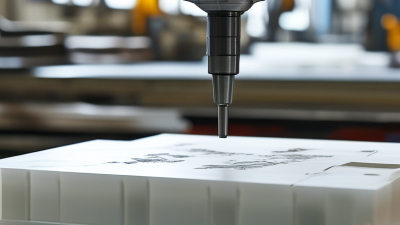
China's really stepping up as a major player when it comes to supplying plastic parts to the global market. They've got huge manufacturing capabilities, which means they can produce all kinds of different products. Companies like Guangdong Hero Union Tech, for example, are known for making high-quality plastic components that actually meet international standards—pretty impressive, right?
That said, it's not all smooth sailing. The industry’s growth has brought some hurdles, especially when it comes to quality control. Not every supplier maintains the same standards, which can be a bit nerve-wracking. So, if you're on the lookout for a plastics supplier, doing your homework is a must—checking their certifications, reading reviews from past clients, that kind of thing. It’s all about finding reliable partners you can trust.
In this crazy competitive global scene, picking the right supplier is super important. Companies need dependable sources to really succeed. By understanding that there could be some bumps along the way in the supply chain, you can make smarter choices. In the end, that means better quality products and fewer headaches down the line.
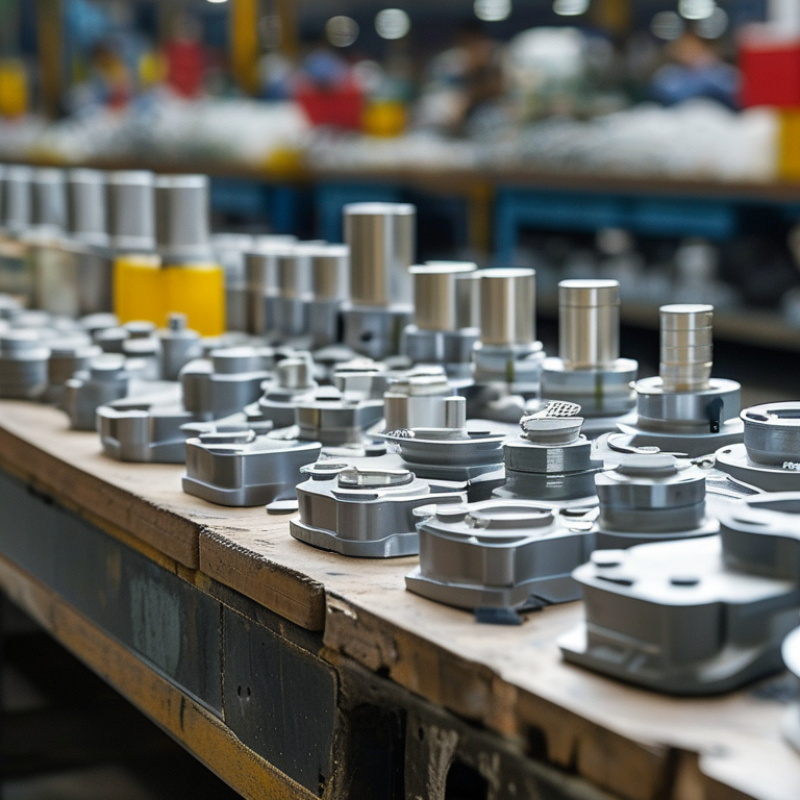
China's Growing Influence in the Global Plastic Parts Market
China's position in the global Plastic Parts market is rapidly evolving. The country is becoming a pivotal supplier for various industries. Manufacturers are increasingly turning to China for quality plastic parts at competitive prices. The efficiency and scale of production in China attract global buyers. They find it easier to meet their diverse needs here.
China boasts advanced machinery and skilled labor, which enhances its production capabilities. Many companies are impressed by the innovative designs and adaptability offered by Chinese manufacturers. However, not everything is perfect. Some buyers still encounter issues with quality control. These can impact delivery schedules.
Despite these challenges, China's influence can't be ignored. The vast variety of plastic parts available connects different markets worldwide. As more companies engage with Chinese suppliers, it's crucial to stay informed. Evaluating choices carefully can lead to fruitful partnerships in this growing market. Potential buyers must weigh the benefits against possible drawbacks. They should understand the nuances of sourcing from China for success.
China Top Plastic Parts Supplier for Global Buyers - China's Growing Influence in the Global Plastic Parts Market
| Dimension |
Value |
| Market Size (2023) |
$60 Billion |
| Annual Growth Rate |
6.5% |
| Export Value (2022) |
$15 Billion |
| Top Export Markets |
USA, Germany, Japan, South Korea |
| Number of Suppliers |
Over 10,000 |
| Main Industry Segments |
Automotive, Electronics, Consumer Goods, Packaging |
Key Factors Contributing to China's Success as a Supplier
China has emerged as a dominant player in the global plastic parts market. Several factors contribute to this success. The country boasts an extensive supply chain and a skilled workforce. According to industry reports, China accounts for more than 30% of the global plastic production. This substantial market share is backed by advancements in manufacturing techniques and technology.
Cost efficiency is another critical aspect. A recent study indicates that labor costs in China are significantly lower, leading to reduced production costs. However, reliance on low wages can raise concerns about ethical sourcing. Moreover, the Plastic Part Maker industry faces environmental scrutiny. While China's factories have ramped up production, the need for sustainable practices is increasingly pressing.
Innovation also plays a vital role. Chinese manufacturers invest heavily in research and development. In fact, more than 20% of their revenue goes into this area. Yet, this focus can sometimes overlook basic quality control, which leads to variations in product reliability. As global buyers consider their options, balancing cost and quality remains a challenge in this evolving landscape.
Major Industries Relying on Chinese Plastic Parts
China has become a significant player in the global plastic parts supply chain. Industries such as automotive, electronics, and consumer goods heavily depend on Chinese manufacturers for high-quality plastic components.
According to a recent report by Grand View Research, the global plastic injection molding market is expected to reach $486.6 billion by 2027. This growth is substantially fueled by the increasing demand for
durable and lightweight Plastic Part Designs across various sectors.
The automotive industry, in particular, relies on China for innovative plastic part designs. Manufacturers are focused on enhancing vehicle efficiency and reducing weight through advanced materials. In 2022, the automotive plastics market in China alone was valued at approximately
$31.2 billion, reflecting a compound annual growth rate (CAGR) of 10.5%. Yet, the dependency on a single country raises concerns about supply chain vulnerabilities.
As more industries shift towards sustainable practices, China's ability to adapt its plastic part designs will be crucial.
Similarly, the electronics industry is moving towards integrated plastic solutions. With the global demand for consumer electronics growing, manufacturers are exploring new plastic part designs to include more functionality. The shift towards smart devices requires more intricate designs,
challenging suppliers to innovate continuously. However, some companies struggle with quality consistency and scalability, often leading to production delays. This scenario serves as a reminder that while China offers
robust capabilities in plastic part design, challenges in reliability remain an area for reflection.
Quality Standards and Compliance in Chinese Plastic Manufacturing
China has become a major player in the global plastic manufacturing industry. Its ability to offer a vast range of plastic parts attracts many international buyers. However, quality standards and compliance are critical issues that buyers must consider. Chinese manufacturers often follow international standards, but variations do exist. This disparity can lead to unexpected quality outcomes.
Many manufacturers have implemented rigorous testing protocols. Certifications like ISO and ASTM can enhance credibility. Yet, not all suppliers adhere strictly to these standards. Buyers should perform due diligence to verify compliance. This process may involve audits and direct communication with suppliers. Quality control measures need constant attention. Sometimes, manufacturers underestimate the importance of these protocols, leading to recalls and reputational damage.
The journey toward quality assurance is ongoing. Many factories are investing in modern technology to improve production. Still, challenges persist, such as a lack of skilled labor and rapid market demands. Some manufacturers struggle to adapt and ensure consistent quality. Buyers must remain vigilant and engaged throughout the sourcing process. This proactive approach helps build reliable partnerships in the dynamic landscape of Chinese plastic manufacturing.
Logistics and Supply Chain Advantages of Sourcing from China
Sourcing plastic parts from China offers significant logistics and supply chain advantages. China has a well-established infrastructure that supports the manufacturing and shipping processes. Factories are often close to major ports, reducing transit time. This localized production speeds up delivery and minimizes costs. However, lead times can vary, and it's essential to establish reliable timelines.
The extensive network of logistics providers in China plays a crucial role. Many companies specialize in handling shipments, ensuring efficient customs clearance and transportation. Moreover, China's dominance in Plastic Part Molding allows for rapid prototyping and adjustments based on client feedback. This flexibility is valuable, yet it can also lead to challenges in quality control.
While sourcing from China is beneficial, potential buyers must exercise caution. Communication barriers may arise, affecting clarity in orders. Not all suppliers maintain the same quality standards. Conducting thorough due diligence is vital to mitigate risks. By weighing the pros and cons, businesses can make informed sourcing decisions that optimize their supply chains.
Emerging Trends in Plastic Parts Production in China
China has emerged as a formidable player in plastic parts production, driven by innovation and technological advancements. The demand for high-quality plastic components continues to rise globally. As a result, manufacturers in China are adapting to cater to this growing market. Automation and smart manufacturing technologies are paving the way for efficiency. This shift improves production speed and reduces costs.
Sustainable practices are gaining traction in the industry. Manufacturers are focusing on eco-friendly materials and processes. This trend is crucial for global buyers who prioritize sustainability. A shift from traditional fossil-based plastics to bio-based alternatives is noticeable. The adoption of recycling technologies is also on the rise, making plastic parts more sustainable.
Tips: Always verify supplier credentials. Look for manufacturers with certifications in quality and sustainability. Evaluate their production capabilities and technology use. Don't overlook small suppliers; they often offer unique solutions. Moreover, monitor industry trends closely to stay competitive.
Challenges Faced by Chinese Suppliers in the Global Market
Chinese suppliers have established a strong foothold in the global plastic parts market. They offer cost-effective solutions that attract buyers worldwide. However, several challenges hinder their growth. Quality control remains a significant issue. Inconsistent product quality can lead to dissatisfaction among international buyers. Ensuring uniform standards across batches is crucial for sustaining trust.
Another challenge is navigating international regulations. Compliance with stringent standards can overwhelm some suppliers. Different countries have unique requirements that can complicate exports. Moreover, language barriers can lead to misunderstandings in contracts and communications. This can damage relationships with potential clients.
Lastly, competition from other countries is intense. Several regions have emerged as strong contenders in the plastic parts sector. Keeping up with technological advancements is vital for Chinese suppliers. They must invest in research and development to maintain their edge. Addressing these challenges is essential for long-term success in the global market.
FAQS
: Quality standards and compliance are critical. Variations can lead to unexpected outcomes.
Buyers should conduct audits and maintain direct communication with suppliers.
Certifications like ISO and ASTM can demonstrate commitment to quality.
Many underestimate quality measures, which can lead to recalls and damage.
Factories close to ports reduce transit times and shipping costs effectively.
They ensure efficient customs clearance and transportation for shipments.
Yes, communication barriers and varying quality standards can pose significant risks.
Conduct thorough due diligence and balance pros and cons carefully.
Lead times can differ, making it crucial to set reliable timelines.
A lack of skilled labor and the fast market pace can hinder consistent quality.
Conclusion
China has emerged as a significant player in the global plastic parts market, driven by a combination of competitive pricing, advanced manufacturing capabilities, and a robust supply chain. The country's plastic parts manufacturers have successfully catered to various industries, including automotive, electronics, and consumer goods, positioning themselves as essential suppliers for global buyers. Key factors contributing to China's success include technological advancements, economies of scale, and a focus on quality standards that meet international compliance requirements.
However, while the logistics and supply chain advantages of sourcing from China are compelling, suppliers face challenges such as fluctuating raw material costs and increasing environmental regulations. Emerging trends in plastic parts production, such as sustainability initiatives and the adoption of automation, signal a shift towards more innovative and efficient processes. Overall, China's expanding footprint in the plastic parts sector underscores its pivotal role in meeting the demands of the global market while navigating an evolving landscape.
 86-13511478976
 Contact Phone
 Contact Email