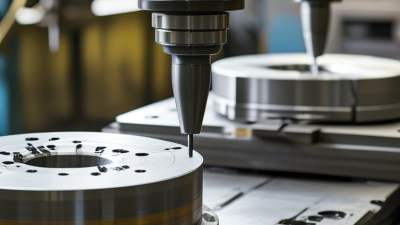
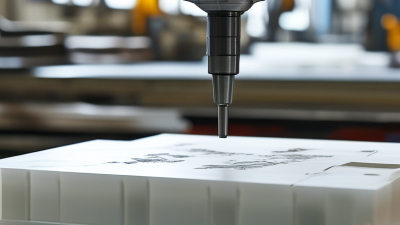
In the world of manufacturing, choosing the right mold making materials is actually a pretty big deal. I mean, according to a report by Deloitte, the global mold market is expected to hit around $10.1 billion by 2025 — mostly because industries like automotive and consumer goods are booming. That really shows there’s a huge demand for top-notch mold solutions. So, companies definitely need to focus on reliability and performance when picking their suppliers.
Now, you've got big names like Xiamen Sunkist and Dongguan Yuhua around offering some pretty innovative materials that can really boost production efficiency. But honestly, with so many options out there, it can get pretty overwhelming. Businesses need to think carefully about what they really need and what kind of operational challenges they face. And let’s not forget, it’s super important to look into a supplier’s reputation for quality and customer service—especially with the market changing so fast.
Not all suppliers are equal though. Some might have trouble maintaining consistent quality, which can be really frustrating. That’s why, in my opinion, doing solid research and building long-term relationships with trustworthy suppliers can make all the difference. After all, investing in high-quality mold making materials is what helps produce better products and ultimately supports a company's success in the long run.
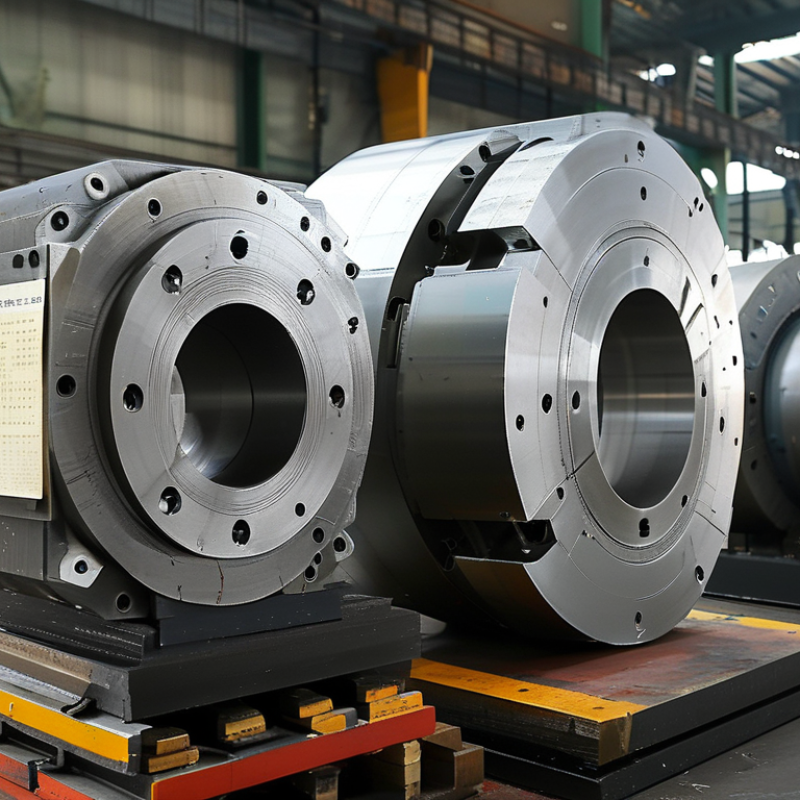
Overview of Mold Making Materials in China
China has established itself as a global leader in mold making. This success stems from the availability of high-quality Molding Materials. These materials play a crucial role in ensuring that molds are durable and efficient. The variety includes metals like aluminum and steel, as well as advanced polymers and composites. Each material offers unique benefits that cater to different needs.
Molding materials in China must be chosen carefully. Factors such as cost, strength, and flexibility impact the final product. Experienced manufacturers understand these dynamics well. They utilize a combination of traditional techniques and modern technology. This blend enhances productivity and product quality. However, some suppliers may not continuously update their methods, leading to inconsistencies. This is a challenge that the industry must address.
Sourcing the right molding materials is vital for successful manufacturing. Quality control measures are essential, yet some manufacturers overlook them. Attention to detail can greatly reduce waste and improve outcomes. Collaboration with knowledgeable suppliers can provide insights into the latest trends in molding materials. This knowledge can help businesses stay competitive and adapt to changing market demands.
Key Suppliers for Quality Mold Manufacturing
When considering Mold Making, various suppliers specialize in high-quality manufacturing solutions. These suppliers vary in expertise, focusing on different aspects of mold manufacturing. A reliable supplier can significantly impact the efficiency and quality of production. It's crucial to evaluate their experience, materials used, and technology.
Professionals in the field emphasize the importance of selecting reputable suppliers. Not all suppliers meet the same standards. Some may offer lower prices, but this can lead to compromised quality. Researching their background is vital. Look for client reviews and case studies. This information often reveals their reliability and the quality of their mold making processes.
Tips: Always request samples before committing to a supplier. This helps assess material quality directly. Additionally, consider visiting their facility for a first-hand look at their operations. This can provide insight into their manufacturing capabilities and adherence to quality control. Remember, investing time in finding the right supplier pays off. It enhances the overall quality of your mold making projects and reduces potential risks.
Types of Materials Used in Mold Production
Mold production relies heavily on the right materials. Each type of material used can significantly impact quality and performance. In Edm Mold Making, suitable materials are critical for achieving precision and durability. Common materials include steel and aluminum. Steel is known for its strength and longevity, while aluminum offers ease of machining and lower costs.
Another important category is thermoplastics. They are versatile and moldable, making them ideal for various applications. These materials are often used in consumer products. Their lightweight nature and resistance to wear are significant advantages.
One should not overlook the choice of additives and coatings. These can enhance the properties of the base materials. However, selecting the wrong types can lead to issues like insufficient heat resistance or poor finishing. It’s essential to ensure that the right additives are used to maintain quality in the final product. Therefore, careful consideration of material selection is paramount in mold making to achieve optimal results.
Quality Standards in China's Mold Making Industry
The mold making industry in China has certain quality standards that stand out globally. These standards focus on precision, durability, and sustainability. Manufacturers utilize advanced technologies to ensure that their molds meet exact specifications. This dedication to quality is apparent in the selection of Mold Making Tools used throughout the process.
Many suppliers emphasize their commitment to quality control. They undergo rigorous inspections to guarantee that their products are reliable and compliant with international standards. However, not every supplier maintains the same level of diligence. Discrepancies can arise, leading to challenges in achieving uniformity across production lines.
Client feedback is essential for improvement. Some businesses might receive molds that do not perform as expected. Continuous adaptation and listening to customers can help overcome these hurdles. Crafting high-quality molds requires attention to detail, constant innovation, and a commitment to excellence. The mold making tools selected for each project can significantly impact the final outcome.
Factors to Consider When Choosing a Supplier
When selecting a supplier for mold-making materials in China, several factors come into play. Quality and reliability are paramount. Ensure that the suppliers have a track record of delivering consistent materials. This will enhance your manufacturing processes and reduce delays. Look for suppliers who provide transparent information about their materials and processes.
Consider the range of materials offered. Different projects require different specifications. A supplier with a comprehensive portfolio can cater to varying needs. Their ability to customize materials can significantly impact your production efficiency. Also, assess their technical support. A knowledgeable supplier can offer valuable insights during the design and manufacturing phases.
Tips: Always request samples before committing to large orders. This helps in evaluating material performance firsthand. Regular communication with your supplier can also help address any unexpected issues promptly. Lastly, look for suppliers willing to share case studies or client testimonials. This not only reinforces their credibility but also gives you insights into their experience.
Innovations in Mold Making Materials and Technologies
The mold making industry is evolving rapidly, driven by innovations in materials and technologies. Recent studies from the International Journal of Advanced Manufacturing Technology highlight that advanced polymers and composites are becoming prevalent. These materials improve durability and reduce production costs. In fact, the use of silicone elastomers in molds has increased by 25% over the last five years.
Moreover, 3D printing technologies are revolutionizing mold production. This method allows for complex geometries that traditional techniques struggle to achieve. According to a report by Wohlers Associates, 3D-printed molds can reduce lead times by as much as 50%. However, the transition to these modern techniques presents challenges. Many manufacturers face the steep learning curve associated with new technologies.
Anecdotal evidence reveals that some companies still prefer conventional methods due to a lack of expertise in advanced materials. Despite the risks, embracing innovations is crucial for staying competitive. Investing in training and adopting new technologies can lead to significant advantages in quality and efficiency. The future of mold making hinges on the willingness to adapt and rethink traditional practices.
Case Studies of Successful Mold Manufacturing Solutions
Mold manufacturing is a complex process that requires precision and quality material selection. Recent studies indicate that using advanced composite materials can improve mold durability and reduce production costs by up to 30%. This shift towards high-performance materials is becoming a game-changer in the industry, highlighting the importance of choosing the right supplier.
One notable case study involved a leading automotive manufacturer that faced production delays due to inferior molding materials. By switching to a supplier focused on high-quality, tested materials, they increased their output efficiency by 25%. This decision not only optimized their manufacturing process but also showcased the necessity of quality assurance in material sourcing.
Despite the benefits, challenges remain. Not all suppliers meet rigorous standards, leading to inconsistent quality. A detailed analysis of industry benchmarks reveals that only 40% of suppliers can consistently provide materials that meet ISO and other quality certifications. This inconsistency can undermine significant investments in technology and design. The industry must prioritize collaboration and transparency in material sourcing to mitigate these risks.
Material Usage in Mold Making for Quality Manufacturing Solutions
Enhancing Vehicle Longevity: Insights from Industry Reports on Chery CX62FL Auto Spare Parts Mold Innovation
The Chery CX62FL is positioned as a leader in automotive longevity, leveraging innovations in auto spare parts mold design. Recent industry reports indicate that utilizing modern compression mold technology can significantly enhance the lifespan and performance of vehicle components. With the development of molds made from high-grade materials like P20, S50C, and S45, manufacturers can produce parts with extended durability, essential for maintaining vehicle performance over time.
One of the key advancements in mold technology is the implementation of heating systems, such as oil heating and electrical rods heating. These systems facilitate improved control during the molding process, which in turn contributes to the quality and consistency of the finished product. Furthermore, the versatility offered by molds featuring single or multiple cavities, including those with interchangeable inserts, allows for efficient production runs while minimizing waste—a crucial consideration in modern manufacturing.
Another notable aspect is the ejection systems employed within the molds. Hydraulic eject mechanisms, particularly those with air assist or hydraulic pins, enhance the efficiency of the production cycle. The mold cycle itself is influenced by the type of mold steel used; for instance, molds made from P20 typically support a lifespan of around 300,000 cycles, assuring longevity and reliability. The lead time for fabrication remains competitive at approximately 90 days, allowing manufacturers to quickly adapt to market demands and ensure that high-quality auto spare parts are consistently available to enhance vehicle longevity.
FAQS
: Common materials include metals like aluminum and steel, and advanced polymers. Each has unique advantages.
The right material affects the mold’s quality and performance. Poor choices can lead to costly mistakes.
Traditional methods can be effective, but modern technology often enhances productivity and quality.
Additives can improve material properties, but incorrect selections may cause heat resistance issues.
Innovations like 3D printing allow for complex designs and reduce lead times, but training is often required.
Many struggle with the learning curve associated with advanced materials and techniques.
Yes, some manufacturers may not keep up with advancements, resulting in inconsistencies in quality.
They are lightweight, moldable, and resistant to wear, making them suitable for a variety of products.
Effective quality control minimizes waste and improves the final outcomes, which is often overlooked.
A lack of expertise in advanced materials can lead to a preference for traditional techniques, despite risks.
Conclusion
The article provides a comprehensive overview of Mold Making Materials in China, highlighting key suppliers that ensure quality in mold manufacturing. It delves into various types of materials used in the production process, emphasizing the importance of adhering to stringent quality standards in the industry. Factors to consider when selecting a supplier are discussed, including reliability, material quality, and technological capabilities.
Moreover, the article explores recent innovations in mold making materials and technologies that enhance manufacturing efficiency and product quality. Case studies of successful mold manufacturing solutions illustrate how these advancements are applied in real-world scenarios, showcasing the dynamic nature of the mold making sector in China and its commitment to superior manufacturing practices.
 86-13511478976
 Contact Phone
 Contact Email