Picking the right Molding Kit is pretty important if you're buying from overseas. The market’s full of options, and honestly, making the right call can really make a difference in how your products turn out. There are a bunch of things to keep in mind — like whether the material works well with what you’re making, if it’s easy enough to use, and whether it’s cost-effective.
You’ll find lots of companies claim they have the "best" Molding Kit, but not everyone can actually follow through. It’s super helpful to look into the specs of each kit — don’t just skim past the details, because missing something could cause headaches later down the line. Checking out reviews and feedback from other buyers can give you a good sense of how reliable a product really is.
And honestly, chatting with someone who knows their stuff can be a game changer. An experienced pro can help you figure out which Molding Kit is actually best for your specific needs. At the end of the day, investing a bit of time and asking around now can save you a lot of trouble later. So yeah, take your time, weigh your options, and choose wisely — it’s worth it!
Understanding the Importance of Molding Kits in Manufacturing Industry
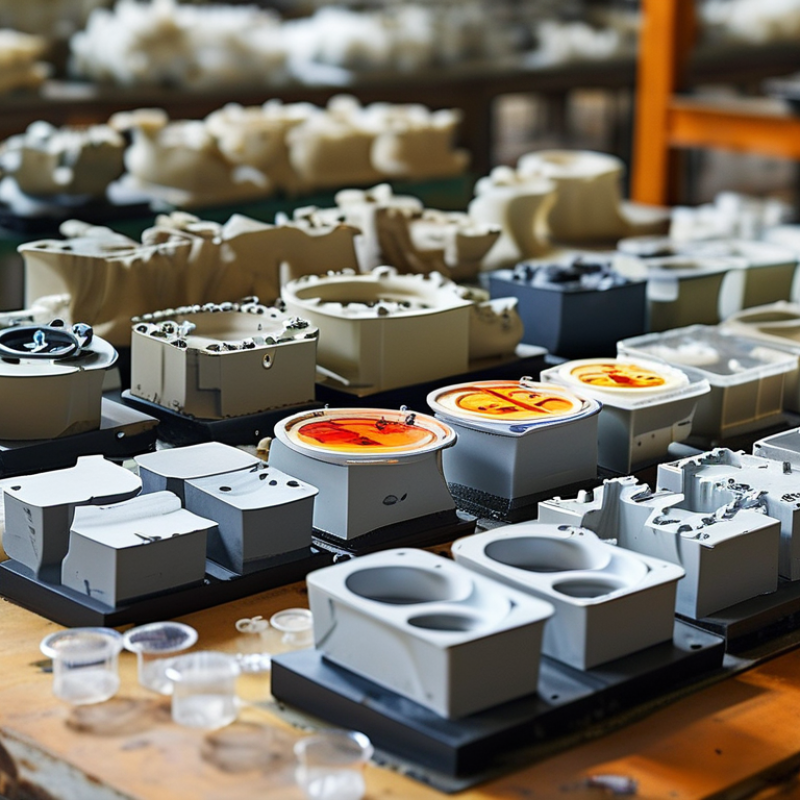
Molding kits play a crucial role in the manufacturing industry. They ensure precision and consistency in production. A recent industry report indicates that the global molding kit market is expected to grow by 6% annually. This growth reflects the increasing demand for efficient manufacturing processes. Molding kits, like the Fiberglass Molding Kit, are pivotal in achieving quality finishes in various products.
Choosing the right molding kit means understanding specific needs. Different projects require diverse materials and designs. For instance, fiberglass offers durability and resistance to impact. However, not all manufacturers utilize advanced materials. This can lead to product inefficiencies. Industries often face challenges in sourcing reliable kits that deliver consistent results. Production errors can lead to substantial losses.
Quality and precision in molding impact overall productivity. Incorrect kits can result in defects that are costly to rectify. A well-chosen molding kit reduces waste and enhances operational efficiency. As manufacturers aim to stay competitive, selecting the appropriate molding kit becomes essential. Continuous research and innovation in this field will shape the future of manufacturing. Companies must remain adaptable to these changes.
China's Molding Kits Usage in Manufacturing Industry
Key Features to Consider When Choosing a Molding Kit
When selecting a Mould Kit, several key features should be at the forefront of your decision-making process. Quality materials are vital for durability and performance. According to recent industry reports, high-performance kits are typically made from robust polymers, which provide excellent resistance to wear and tear. These materials ensure the longevity of your molds. Additionally, a good molding kit should include various sizes and shapes, catering to different project requirements. This versatility enhances your ability to produce diverse products.
Ease of use is another critical factor. Many users report frustrations with overly complex kits. A user-friendly design promotes creativity and saves time. A well-structured Mould Kit often streamlines the entire process, allowing quicker production cycles. Furthermore, clear instructions are essential. An easy-to-follow guide can significantly reduce errors and improve outcomes. Many industry professionals note that even a small mistake can lead to wasted materials and time.
Finally, consider the included accessories. Reports indicate that kits with comprehensive toolsets greatly increase efficiency. Look for kits that offer essential tools such as spatulas or scrapers, which aid in mold preparation. However, not every kit meets these ideal criteria. Some might lack completeness or robustness, causing potential setbacks. Therefore, evaluating each component critically is essential for making informed decisions.
Assessing Material Compatibility for Various Molding Applications
When considering a molding kit, material compatibility is crucial. Not all materials work well together. A Mold Maker Kit should feature materials that can withstand various applications. For example, silicone and polyurethane offer flexibility. They are ideal for creating detailed shapes. However, using incompatible materials can lead to poor results.
Different molding applications demand unique properties. Rigid materials might be essential for some projects. In contrast, softer materials may be required for others. Consider the intended use of the final product. A Mold Maker Kit should provide guidance on material selection. This guidance helps avoid confusion, especially for beginners.
It's key to test materials before full-scale production. A small test run can reveal unexpected issues. Mismatched materials often lead to failures, and understanding this can save time. The experience gained during these trials is invaluable. Embrace the trial-and-error process; it enhances expertise in material compatibility.
Evaluating the Cost-Effectiveness of Molding Kits for Global Buyers
When evaluating the cost-effectiveness of molding kits, global buyers need to consider several factors. Quality is paramount. A good molding kit should offer durable materials that ensure longevity and reliable results. The initial price might be appealing, but if the kit breaks quickly, the long-term costs can rise significantly.
Another aspect to consider is the versatility of the kit. A single kit should cater to various projects. This flexibility can save money and storage space for buyers. However, some kits may not perform well across different materials. It's essential to read user reviews and gather feedback to identify those strengths and weaknesses.
Timely customer support also matters. Buyers should have access to help when needed. Inadequate customer service can lead to frustration and wasted time. It's vital to weigh the overall experience, not just the upfront costs. By approaching the decision with a critical eye, you can better ensure a satisfactory investment.
Quality Control Standards and Certifications in Molding Kit Production
When considering a molding kit, quality control becomes essential. Production processes must adhere to stringent standards. This ensures that the final product meets the physical and functional requirements of the buyer. A robust quality control system will monitor materials, processes, and products. This guarantees consistency and reliability, especially in a diverse market.
Certifications play a significant role in molding kit production. They indicate that the manufacturer meets international safety and quality benchmarks. For instance, ISO certifications can reflect a company’s commitment to quality. Buyers should look for these certifications when selecting products like a Carbon Mold Kit. However, not all manufacturers transparently display these credentials. It’s vital to request documentation and verify compliance.
Choosing a molding kit is not just about the features. It involves understanding the quality assurance in place. Some producers may cut corners to reduce costs, leading to inferior products. Thus, transparency and openness from manufacturers are crucial. Always do your due diligence. This will ensure the investment in a molding kit is sound and worthwhile.
China Best Molding Kit for Global Buyers: What to Look For?
| Feature |
Details |
| Material Quality |
High-grade plastic composites and steel |
| Design Flexibility |
Customizable shapes and sizes available |
| Molding Process |
Injection and blow molding techniques |
| Quality Control |
Regular inspections and testing protocols |
| Certifications |
ISO 9001, CE, RoHS compliant |
| Production Capacity |
Monthly production of 10,000 units |
| Lead Time |
4-6 weeks depending on complexity |
| After-Sales Support |
Comprehensive support including replacements |
The Impact of Technological Advancements on Molding Kit Design
Technological advancements have significantly transformed the design of molding kits in recent years. As reported by the International Plastics Association, approximately 70% of manufacturers are adopting advanced technology to streamline production. This shift includes automation and enhanced materials, which improve efficiency and precision in molding processes. The integration of computer-aided design (CAD) software is pivotal. It allows designers to create complex geometries swiftly, ensuring that molding kits can meet diverse industry needs.
Moreover, the trend towards sustainability is driving innovation in the molding kit market. Research indicates that over 50% of buyers now prioritize eco-friendly materials. Brands are investing in biodegradable polymers and recyclable components. Such materials not only appeal to environmentally conscious consumers but also comply with international regulations. However, some manufacturers face challenges in balancing cost with sustainability. The pursuit of greener options can sometimes lead to increased production costs, raising questions about profitability and market competitiveness.
Despite these advancements, the industry still grapples with a few pressing issues. The rapid pace of technology can overshadow the necessity for skilled labor. As equipment becomes more sophisticated, the need for training programs increases. This gap in skilled workforce may hinder efficient operations.
Additionally, while innovation is crucial, relying solely on high-tech solutions can overlook traditional craftsmanship, which still holds value in certain applications. Companies must reflect on striking a balance between technological integration and human expertise.
Market Trends and Buyer Preferences in the Global Molding Kit Sector
The global molding kit market is evolving rapidly. Buyers are now more focused on quality and efficiency. This shift highlights increased competition among manufacturers. Buyers seek kits that enhance productivity and meet diverse needs.
Sustainability is a growing trend in buyer preferences. Many seek eco-friendly materials and production methods. It reflects a broader commitment to environmental responsibility. However, some companies still struggle to implement sustainable practices effectively. This inconsistency can lead to buyer frustration and confusion.
Customization options are increasingly valued. Buyers want kits that can adapt to their specific projects. However, achieving the right balance between customization and cost remains challenging. Some manufacturers may offer extensive options but at a premium price. This can alienate a segment of the market looking for affordability without compromising quality.
Optimizing Auto Front Right Panel Mould Production: Insights from Industry Reports on OEM Molding Compound Efficiency and Trends
In the automotive industry, optimizing the production of front right panel moulds is crucial for enhancing overall efficiency and reducing waste. Current trends indicate that Original Equipment Manufacturers (OEMs) are increasingly focused on the efficiency of molding compounds used in compression moulds. Reports suggest that the choice of mould steel, such as P20 and S50C, significantly impacts the lifespan and durability of these moulds, with studies indicating that P20 can support approximately 300,000 cycles under optimal conditions. This durability not only minimizes downtime but also improves production rates.
Additionally, the heating system plays a vital role in the moulding process. The industry is witnessing a shift towards oil heating solutions, which offer consistent temperature control as compared to traditional electrical rods heating. This trend enhances the thermodynamic properties of the mould, leading to a smoother production cycle and better quality output. Furthermore, employing hydraulic eject systems with air assist or hydraulic pins provides increased efficiency in part removal, significantly reducing cycle times and labor costs.
The logistical aspect of mould production should not be overlooked. Recent data highlights a lead time of about 59 days for mould manufacturing, underscoring the importance of streamlined processes. By integrating multiple cavities and interchangeable inserts into the design, manufacturers can maximize the use of their resources, further improving productivity while maintaining flexibility to adapt to various product lines. As the industry evolves, staying informed about these advancements will be key for manufacturers aiming to optimize their mould production capabilities.
FAQS
: Quality, versatility, price, customer support, and user feedback are essential factors.
Quality is paramount. Durable materials ensure longevity and reliable results.
A versatile kit caters to various projects, saving money and storage space.
User reviews help identify strengths and weaknesses, guiding better purchasing decisions.
Timely support prevents frustration and wasted time, enhancing overall satisfaction.
Strict quality control ensures products meet physical and functional requirements consistently.
Certifications indicate compliance with safety and quality benchmarks, ensuring reliability.
Request documentation from manufacturers to verify compliance and transparency.
Cutting corners may lead to low-quality kits, resulting in poor performance and reduced longevity.
Conduct due diligence, researching quality assurance and manufacturer transparency before purchasing.
Conclusion
Molding kits play a crucial role in the manufacturing industry, serving as essential tools for various applications. When selecting a molding kit, global buyers should focus on key features such as material compatibility, cost-effectiveness, and adherence to quality control standards. It is vital to evaluate how these kits can meet specific manufacturing needs while ensuring they comply with relevant certifications.
Technological advancements significantly influence the design and functionality of molding kits, offering innovative solutions that cater to evolving market trends and buyer preferences. Understanding these dynamics is essential for purchasers looking to make informed decisions in the competitive landscape of the global molding kit sector. By considering these factors, buyers can optimize their manufacturing processes and enhance their overall production efficiency.
 86-13511478976
 Contact Phone
 Contact Email