Hey, if you're involved in manufacturing or just shopping around for plastic products, understanding the best Plastic Moulding techniques is pretty important these days. Big players like BASF and innoTECH have really shaken things up with their innovative methods, giving us more options to suit different needs. But, not all moulding techniques are created equal; for example, while injection moulding is super common, it can also be pretty expensive and generate quite a bit of waste sometimes.
A lot of folks are now focusing on efficiency and being more eco-friendly. That’s why alternative methods like blow moulding or rotational moulding are gaining popularity. Each has its own perks and quirks, and choosing the right one honestly depends on things like the type of material you're working with, how many units you need, and how complex your design is. Some techniques might work great but could still need a bit of tweaking or extra investment to really get the best results.
When you're weighing your options, it’s a good idea to think about the pros and cons and maybe even chat with manufacturers who know their stuff. Doing some research, looking at real-world case studies, can also really help you get a clearer picture. The right plastic moulding method can make a huge difference — improving quality, cutting costs, and speeding up your time to market. In the end, it’s all about finding what works best for your project.
Understanding Plastic Moulding Techniques and Their Applications
Plastic moulding techniques play a crucial role in various industries. They offer diverse applications, catering to different product requirements. Each technique has unique advantages and limitations. Understanding these can help global buyers make informed decisions.
Injection moulding is widely used for mass production. It allows for high precision and complex shapes. However, tooling costs can be high. Not all manufacturers can invest in this upfront expense.
Compression moulding, on the other hand, is suitable for thicker materials and simpler shapes. It can be more economical but often lacks the detail that injection moulding provides.
Blow moulding is effective for hollow objects like bottles. It offers swift production times. Yet, the range of materials is limited compared to injection moulding. Each technique's effectiveness depends on factors such as volume and material properties. Buyers must consider their specific needs carefully. The right choice can lead to significant efficiencies or unintended costs.
Key Factors in Selecting Moulding Techniques for Different Plastics
When selecting moulding techniques for different plastics, several key factors come into play. Material type greatly influences the moulding process. For example, thermoplastics can be easily reshaped and reprocessed. In contrast, thermosetting plastics harden permanently and require more precise handling. According to a recent report, nearly 65% of manufacturers cite material compatibility as a critical factor in their decisions.
Another important aspect is production volume. High-volume projects often benefit from techniques like injection moulding, which can produce thousands of parts quickly. Conversely, low-volume needs may lead to considering methods such as CNC machining or 3D printing. Industry data indicates that injection moulding can reduce manufacturing costs by up to 30% for large runs.
Tips: Consider the required tolerances. Some techniques offer better precision than others. Understand the lead times associated with each method. Rushing can lead to mistakes. Analyze your specific needs thoroughly before committing.
Lastly, the complexity of design should not be underestimated. For intricate shapes, advanced techniques like blow moulding or rotational moulding may be necessary. However, these methods can also drive up costs. It’s vital to weigh the advantages of complex designs against budget constraints and potential waste.
Overview of Common Plastic Moulding Processes and Their Benefits
Plastic moulding is a vital technique in manufacturing. It involves shaping plastic into various forms, making it essential for countless industries. The most common processes include injection moulding, blow moulding, and rotational moulding. Each method serves distinct purposes and offers unique benefits.
Injection moulding is popular for its efficiency. It allows for the rapid production of complex shapes with precision. Additionally, it minimizes waste, as the excess plastic can often be recycled. Blow moulding, on the other hand, is ideal for creating hollow objects, like bottles. This technique enables manufacturers to produce lightweight containers at a lower cost. Rotational moulding is less common but useful for large, hollow parts. This technique requires more time, yet it can produce sturdy products.
There are challenges with each method. For example, Die Plastic Moulding can face issues with cycle times and material compatibility. Not all plastics work well with every moulding process. Understanding the limitations is as crucial as recognizing the advantages. Overall, the choice of moulding technique should align with project requirements and product specifications.
Comparison of Injection Moulding and Blow Moulding Techniques
Injection moulding and blow moulding are two prominent plastic moulding techniques. Each has unique advantages and applications. Reports show that injection moulding accounts for approximately 32% of the global plastic processing market. This technique excels in producing complex shapes with high precision. It is particularly effective for high-volume production runs. Materials like polycarbonate and Abs Plastic Moulding are popular due to their strength and versatility.
On the other hand, blow moulding is ideal for hollow products. This method is particularly suited for items like bottles and containers. It makes efficient use of materials, often leading to reduced waste. A market analysis indicates that blow moulding represents about 23% of the industry share. However, companies may find limitations in design complexity. The precision of blow moulded items is generally lower than that of injection moulded products. This distinction can affect product quality, requiring careful consideration during design phases.
Both methods have their pros and cons. While injection moulding offers greater detail, it also incurs higher initial costs. Blow moulding may be more cost-effective but could lead to compromises in product integrity. Understanding these differences is crucial for global buyers aiming for efficient production solutions.
Exploring Rotational Moulding: Advantages and Limitations
Rotational moulding is gaining traction in the plastic manufacturing industry. This technique is particularly favored for its ability to create hollow parts with uniform wall thickness. According to a report by MarketsandMarkets, the global rotational moulding market is projected to grow from $4.2 billion in 2020 to $6.5 billion by 2025. However, there are both advantages and limitations to consider.
One significant advantage of rotational moulding is its versatility. It can produce complex shapes without the need for intricate mould designs. This flexibility allows manufacturers to respond quickly to market demands. However, achieving efficiency is sometimes elusive. Production times can be longer than other methods, like injection moulding. Additionally, achieving color consistency can be challenging. Using Plastic Hand Moulding techniques can often mitigate these issues by allowing for more hands-on adjustments during the process.
A key limitation of rotational moulding is its material constraints. Although it works well with various thermoplastics, certain high-performance polymers may not be suitable. This can restrict product design options. Furthermore, the initial investment for high-quality moulds can be high. Balancing cost with quality becomes a poignant reflection for manufacturers aiming to implement this method. Thus, exploring these factors can lead to more informed decisions in plastic manufacturing.
Plastic Moulding Techniques Comparison
Emerging Trends in Plastic Moulding Technology for Global Markets
Emerging trends in plastic moulding technology are shaping global markets. One significant development is the rise of
Wire Plastic Moulding.
This technique allows for the integration of metal and plastic components, creating versatile products. Manufacturers can achieve unique designs
while maintaining durability. This innovation caters to diverse industries, from automotive to consumer electronics.
The adoption of advanced materials is another critical trend. Biodegradable plastics are gaining traction, responding to environmental concerns.
These materials offer a sustainable option without compromising performance. However, challenges remain in scaling production and ensuring
consistency. Companies must navigate these hurdles while adapting to market demands.
Automation and digital technologies are revolutionizing the moulding process. Smart factories are becoming more common, enhancing efficiency
and precision. Yet, the transition requires significant investment and training. Many businesses struggle to adopt these changes fully.
As the industry evolves, continuous learning and adaptation are essential for staying competitive.
Best Practices for Quality Control in Plastic Moulding Processes
Quality control in plastic moulding is a critical aspect that impacts product reliability and customer satisfaction. According to a 2022 report by the Plastic Industry Association, approximately 30% of products fail quality tests due to inadequate moulding techniques. Effective practices must be enforced to mitigate these failures. These include regular equipment maintenance, temperature monitoring, and consistent material inspections.
Another significant practice is implementing statistical process control (SPC). This method helps in identifying variations in the moulding process. A survey revealed that using SPC could reduce defects by up to 50%. However, many manufacturers overlook this strategy. They often rely on outdated methods, leading to inconsistencies in production.
Training staff on quality standards is also vital. Evidence shows that companies investing in employee training see a marked improvement in product quality. Yet, some organizations fail to prioritize this investment. This shortfall highlights an area for reflection and improvement, as workforce knowledge is essential for high-quality outcomes in plastic moulding.
Innovative Automotive Moulding Solutions: Exploring LFT Auto Side Fender Moulds and SMC Prepreg Technologies
The automotive industry is continuously evolving, with innovative moulding solutions playing a pivotal role in the creation of advanced vehicle components. Among these innovations, Long Fiber Thermoplastic (LFT) auto side fender moulds and Sheet Molding Compound (SMC) prepreg technologies stand out for their ability to enhance both performance and aesthetic appeal. These modern moulding techniques not only allow for the production of lightweight and durable components but also provide manufacturers with greater design flexibility.
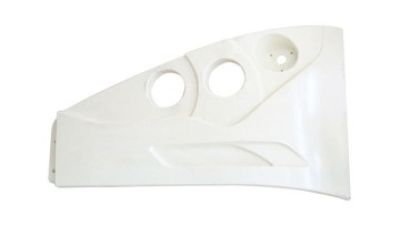
The types of moulds utilized in this process are crucial to achieving high-quality results. Compression moulds made from robust steels such as P20, S50C, and S45 ensure that the moulds can endure the rigors of production while delivering consistent results. With options for single and multiple cavities, as well as interchangeable inserts, manufacturers can optimize their production processes to meet varying demands. Efficient heating systems, whether through oil or electrical rods, play a significant role in maintaining the quality of the finished product, while advanced ejection systems, such as hydraulic ejection with air assist, facilitate smooth component removal and minimize defects.
Mould cycle times heavily depend on the type of mould steel used, with P20 providing an impressive lifespan of around 300,000 cycles. This durability is essential for manufacturers aiming to maximize productivity and reduce downtime. With an average lead time of 60 days, the development and implementation of these moulding solutions offer a streamlined approach for automotive manufacturers looking to stay ahead in a competitive market. The integration of LFT and SMC technologies into automotive moulding illustrates a commitment to innovation and efficiency, ultimately contributing to the future of vehicle manufacturing.
FAQS
: The common processes include injection moulding, blow moulding, and rotational moulding. Each serves distinct functions.
Injection moulding is efficient and produces complex shapes quickly. It also minimizes plastic waste during production.
Blow moulding is ideal for creating lightweight, hollow objects like bottles, often at a lower cost.
Rotational moulding produces large, sturdy, hollow parts. However, it requires more time compared to other methods.
Each method has challenges, such as cycle times and material compatibility. Not all plastics suit every moulding technique.
Regular equipment maintenance, temperature monitoring, and material inspections can enhance quality in moulding processes.
SPC identifies variations in the moulding process, helping reduce defects significantly. Yet, many manufacturers overlook this strategy.
Training improves product quality. However, some organizations neglect this investment, which can affect outcomes negatively.
Biodegradable plastics are gaining popularity due to environmental concerns, though scaling production remains a challenge.
Automation enhances efficiency and precision, but the transition can be costly and requires significant training.
Conclusion
The article titled "What Are the Best Plastic Moulding Techniques for Global Buyers?" provides a comprehensive overview of various plastic moulding techniques and their applications. It outlines the key factors to consider when selecting the appropriate moulding methods for different types of plastics. The article delves into common processes such as injection moulding and blow moulding, highlighting their benefits and differences. Additionally, it explores rotational moulding, discussing its advantages and limitations, alongside emerging trends in plastic moulding technology that cater to global markets.
Moreover, the article emphasizes the importance of best practices for quality control in plastic moulding processes, ensuring that buyers can make informed decisions for efficient production and superior product quality. By understanding these techniques and their applications, global buyers can effectively meet their manufacturing needs while leveraging the latest advancements in technology.
 86-13511478976
 Contact Phone
 Contact Email